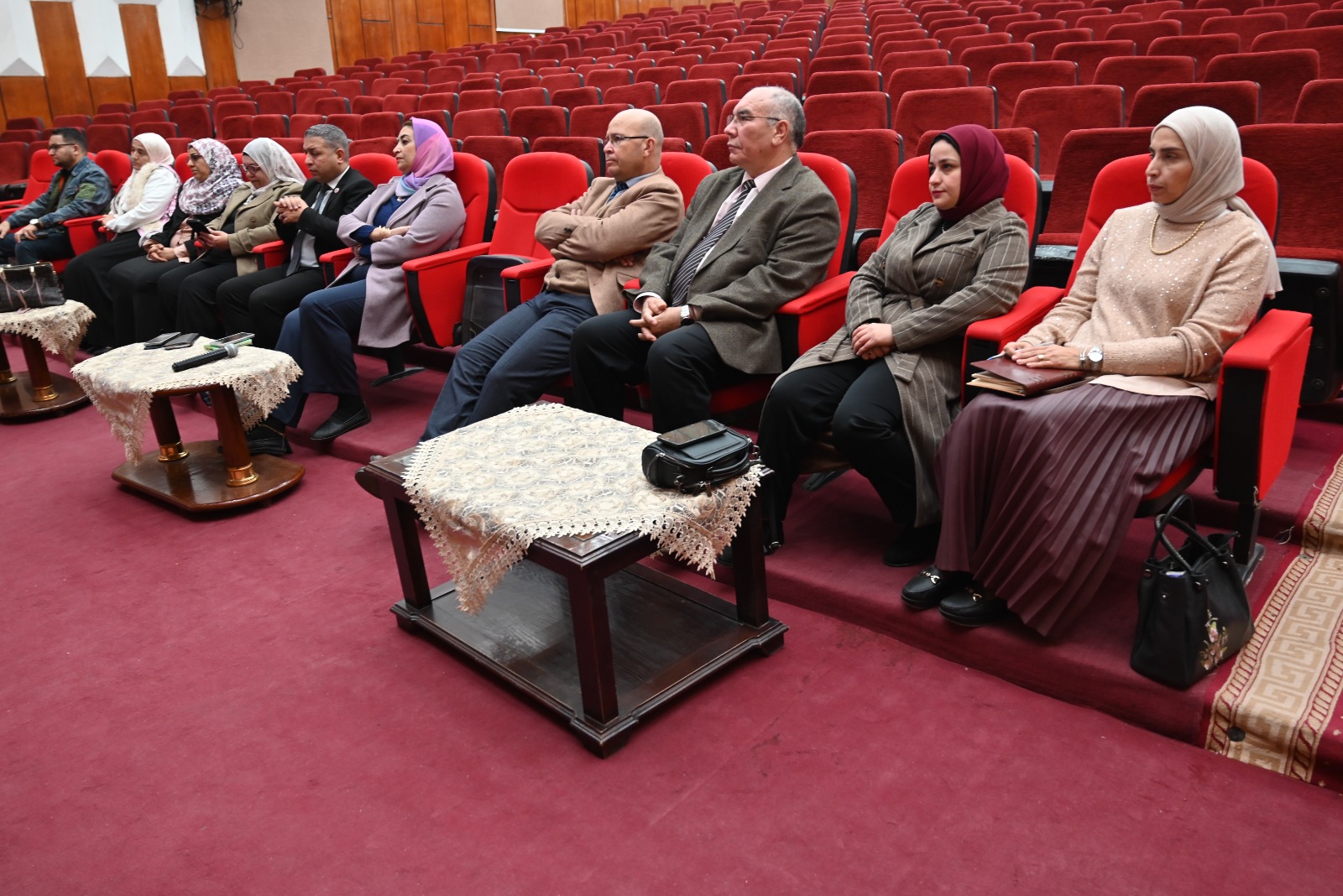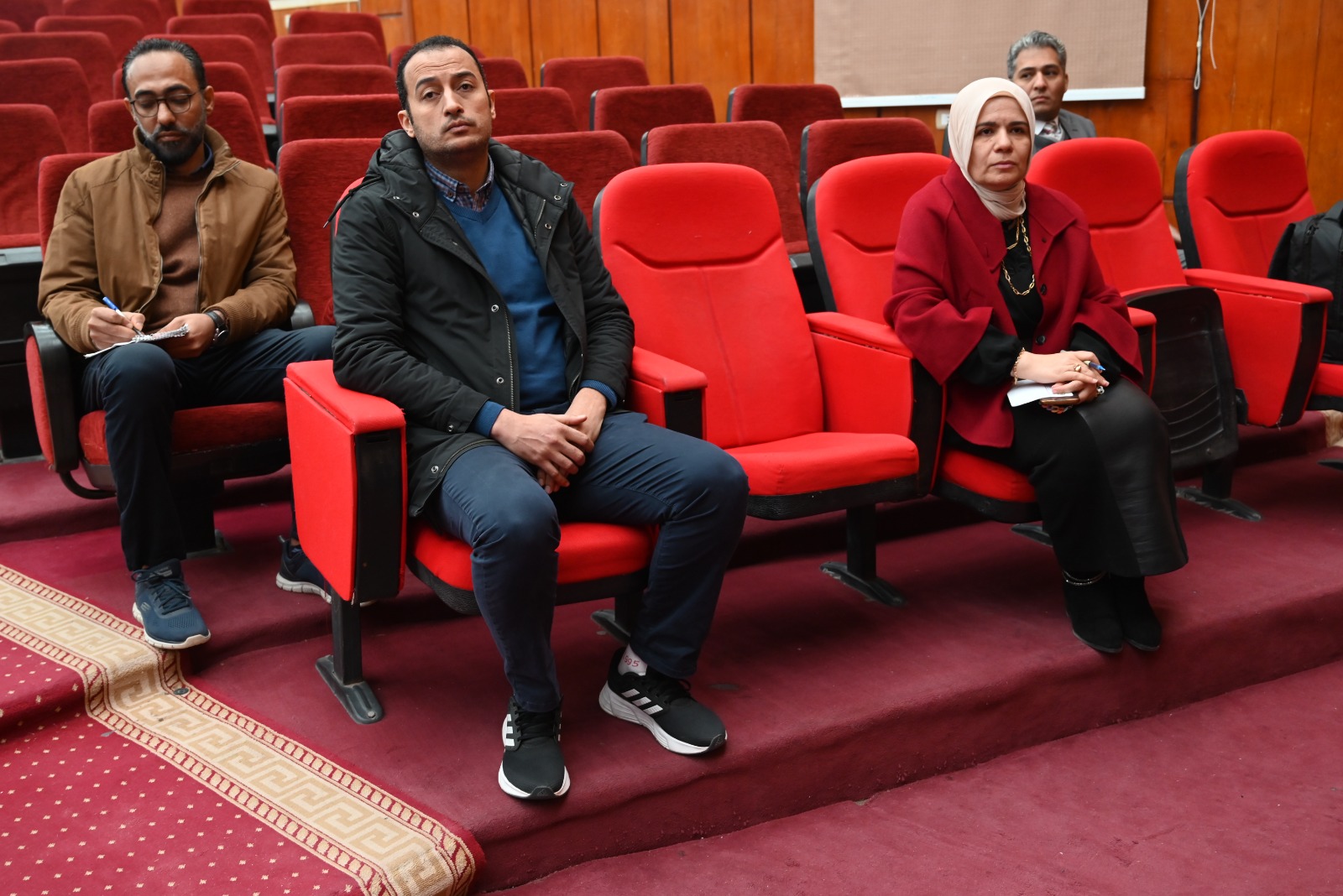



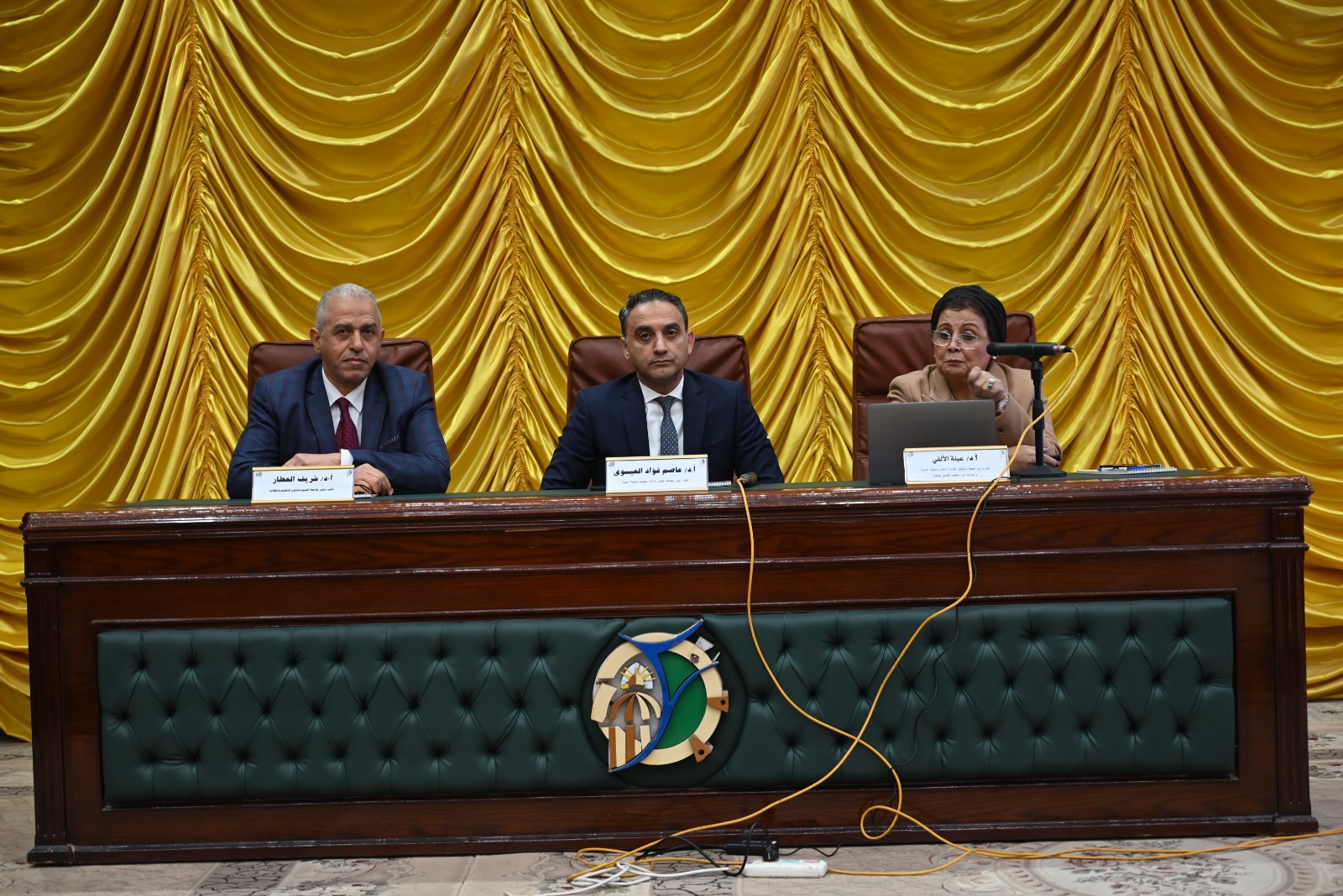
Under
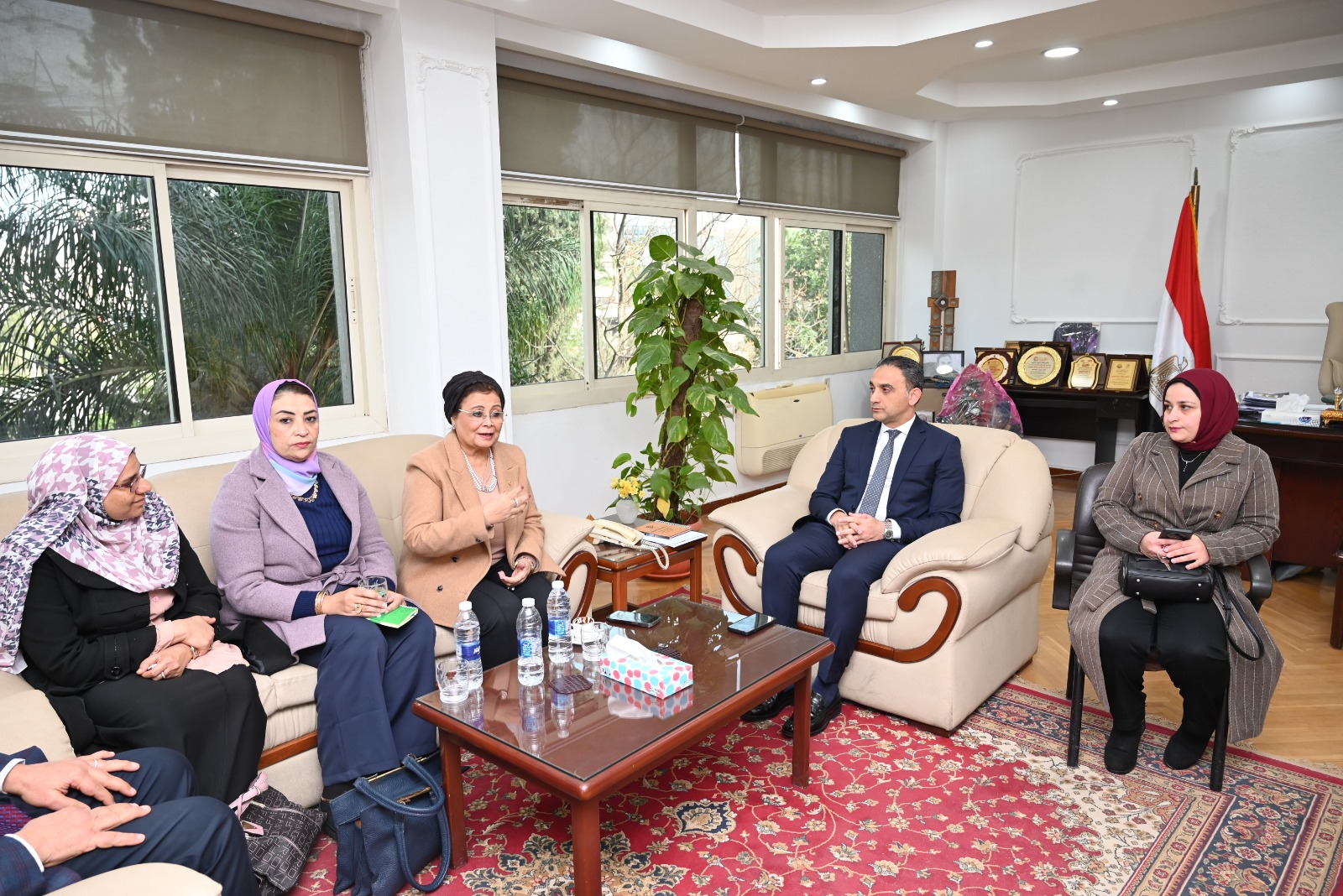
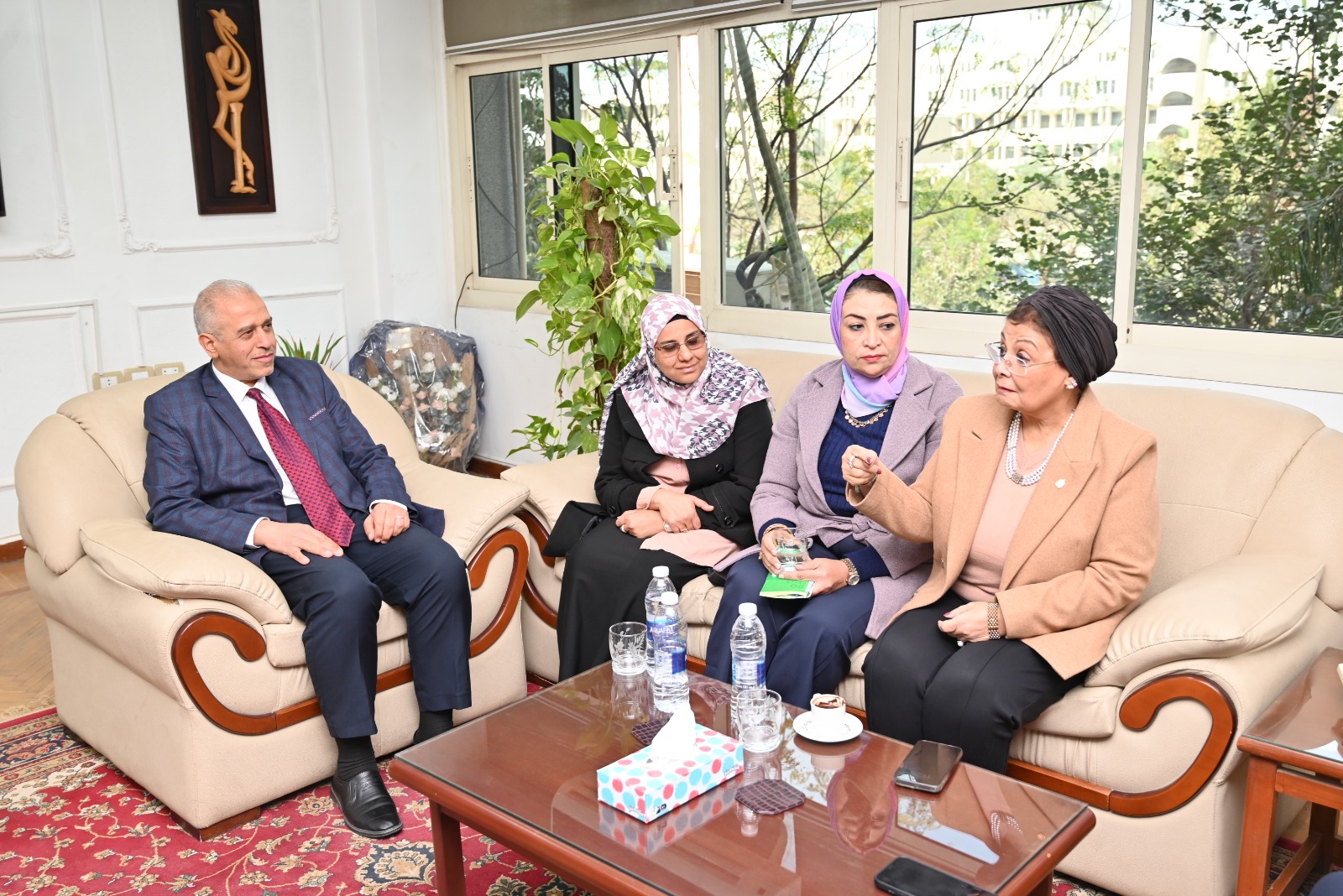
the auspices of Prof. Yasser Magdy Hatata, President of Fayoum University, Prof.
Assem El-Essawy, Vice President for Community Service and Environmental
Development, and Prof. Sherif El-Attar, Vice President for Education and Student
Affairs, received Prof. Abla Ahmed Ali El-Alfy, Deputy Minister of Health and
Population for Population and Family Development and Supervisor of the National
Population Council. This meeting was held to follow up on the implementation of
the second phase of the National Population and Development Strategy and the
Presidential Initiative "The Golden Thousand Days for Egyptian Family
Development."
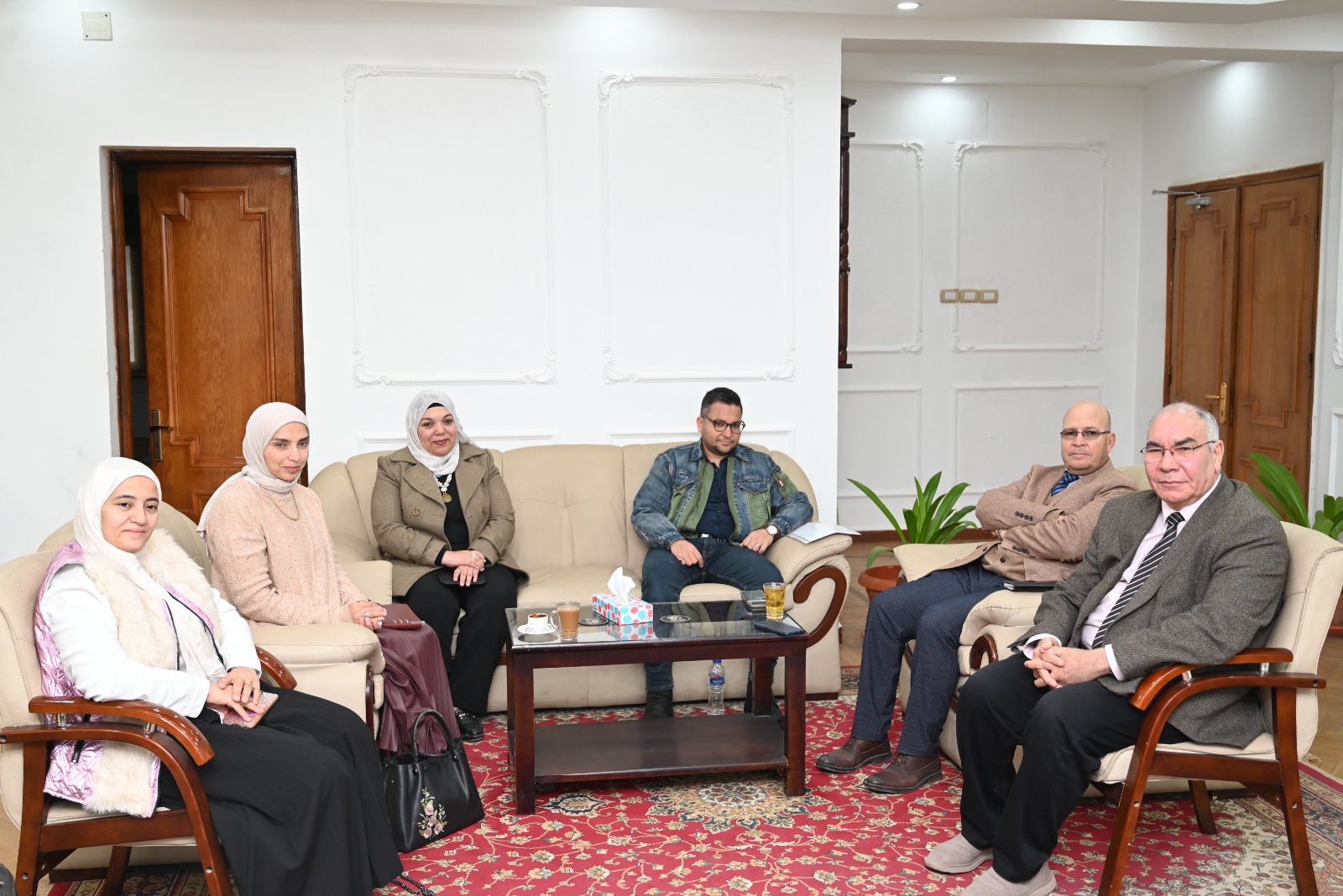
In the
presence of Prof. Amal Ibrahim, Dean of the Faculty of Nursing; Prof. Abdel-Hady
Mashahit, Vice Dean of the Faculty of Medicine for Community Service and
Environmental Development; Prof. Ahmed Abdel-Moqtader, Head of the Department
of Pediatrics at the Faculty of Medicine; Prof. Wafaa Youssef, Head of the
Department of Public Health; Dr. Azza El-Ashiri, Assistant Professor in the
Department of Family Medicine; Dr. Moustafa Rashad, Deputy Director General of
University Hospitals; Dr. Basma Abdel-Latif, Director of the University's
Problem Monitoring Unit; Mr. Ahmed Khairy, Assistant to the Deputy Minister for
Population and Family Development; and a number of department heads and
physicians from the Departments of Obstetrics and Gynecology, Pediatrics and
Neonatology, Public Health, and the Faculty of Medicine, on Monday, January 26,
2026.
This
meeting aimed to explore mechanisms and ways to enhance cooperation in
implementing the Population and Development Strategy and Urgent Plan, paving
the way for a cooperation protocol between the National Population Council and
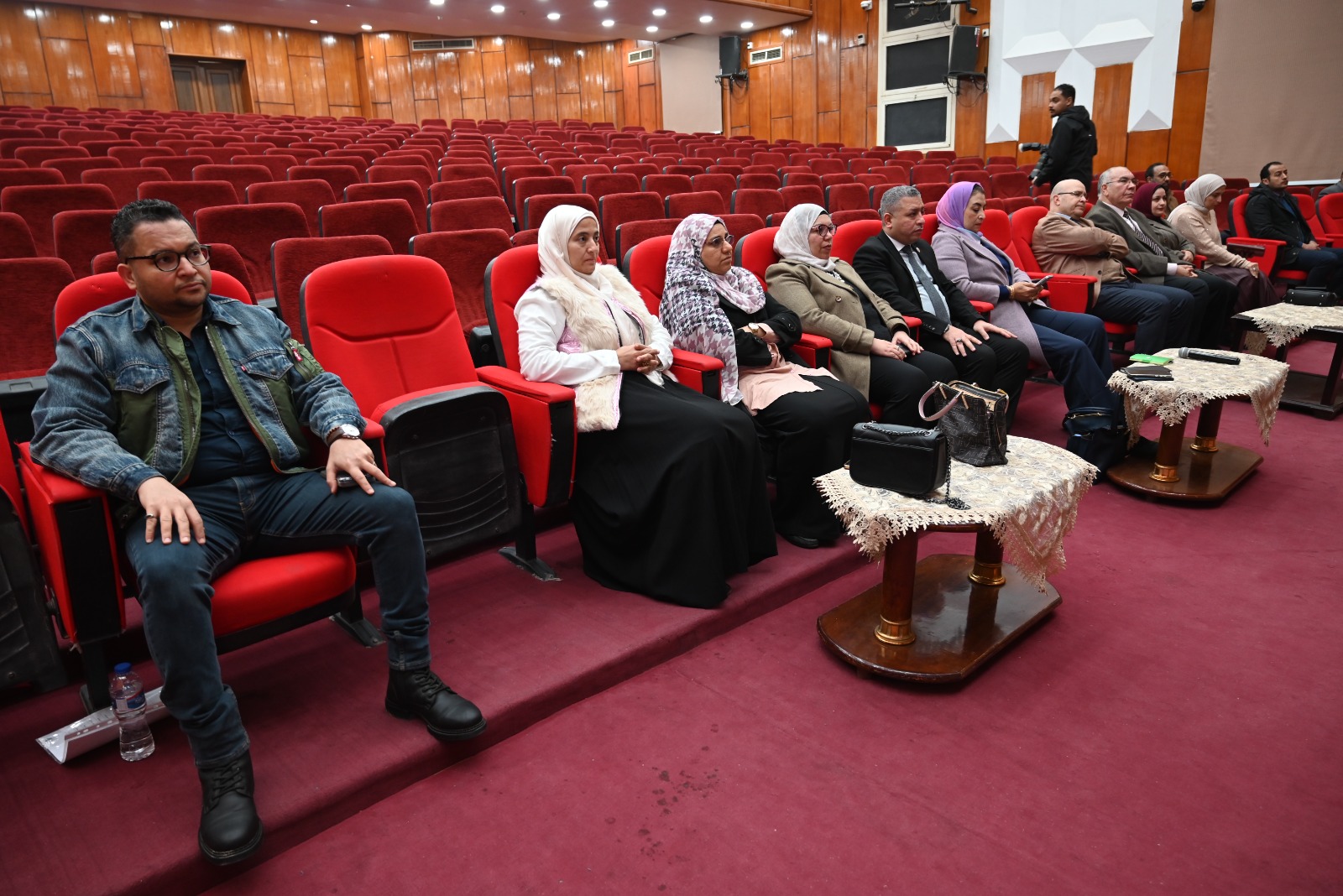
Fayoum University. A discussion session was held on the Population and
Development file, reviewing the achievements of 2025 and preparations for the
National Plan for the period 2026/2027, in the university's main auditorium.
During
the session, Prof. Assem El-Essawy welcomed the attendees, expressing his
pleasure that Fayoum University was hosting this important discussion
concerning the health and well-being of Egyptian families. He emphasized the
importance of cooperation between the university and the Ministry of Health in
implementing training and research programs aimed at improving health services
and supporting population policies. He added that the university is committed
to provide all its resources to support national efforts aimed at human
development.
Prof. Sherif El-Attar also stressed the vital role
of universities, not only as beacons of knowledge but also as active partners
in addressing societal issues. He added that reproductive health and family
planning require the concerted efforts of all national institutions.
In her
remarks, Prof. Abla El-Alfy praised the efforts made in Fayoum Governorate in
the field of reproductive health and family planning, emphasizing the
importance of focusing on improving the quality of health services for mothers
and children. She explained that the visit was part of the field monitoring of
the implementation of national health policies and supporting governorates in
achieving their population goals.
She
pointed out that the high rates of cesarean sections without medical
justification pose a significant health and economic challenge. According to a
series of health surveys, cesarean section rates in Egypt have increased
eightfold from 2000 to 2025, exceeding 80%. This negatively impacts the health
of mothers and children and increases the costs to the health system.
She
stressed the need to adopt practical measures to encourage natural childbirth
by activating guidelines for safe delivery, implementing the Robson model for
analyzing the reasons for cesarean sections, and strengthening the role of
midwives and counselors in supporting mothers.
She
also addressed the importance of fostering a safe birthing environment by
equipping delivery rooms with essential supplies, providing anesthesiologists
around the clock, and conducting weekly reviews of maternal mortality and
cesarean section committees.
She
emphasized the role of university hospitals and health units in implementing
these strategies, praising the model of Itsa Central Hospital, which achieved
the highest natural birth rate at 53.36%, and called for this model to be
adopted by other hospitals in the governorate.
She
further stressed the importance of family planning as a fundamental approach to
reducing unplanned pregnancies, through providing contraceptive methods
immediately after birth, activating counseling clinics, and ensuring access to
services in local communities via mobile clinics and health caravans.