


As part of Fayoum University's commitment to its social and
developmental role and its active participation in implementing presidential
initiatives aimed at improving the level of health and social services provided
to citizens, a comprehensive medical and development convoy was organized in
the village of Mansha'at al-Gamal and its surrounding areas in the Tamia center.
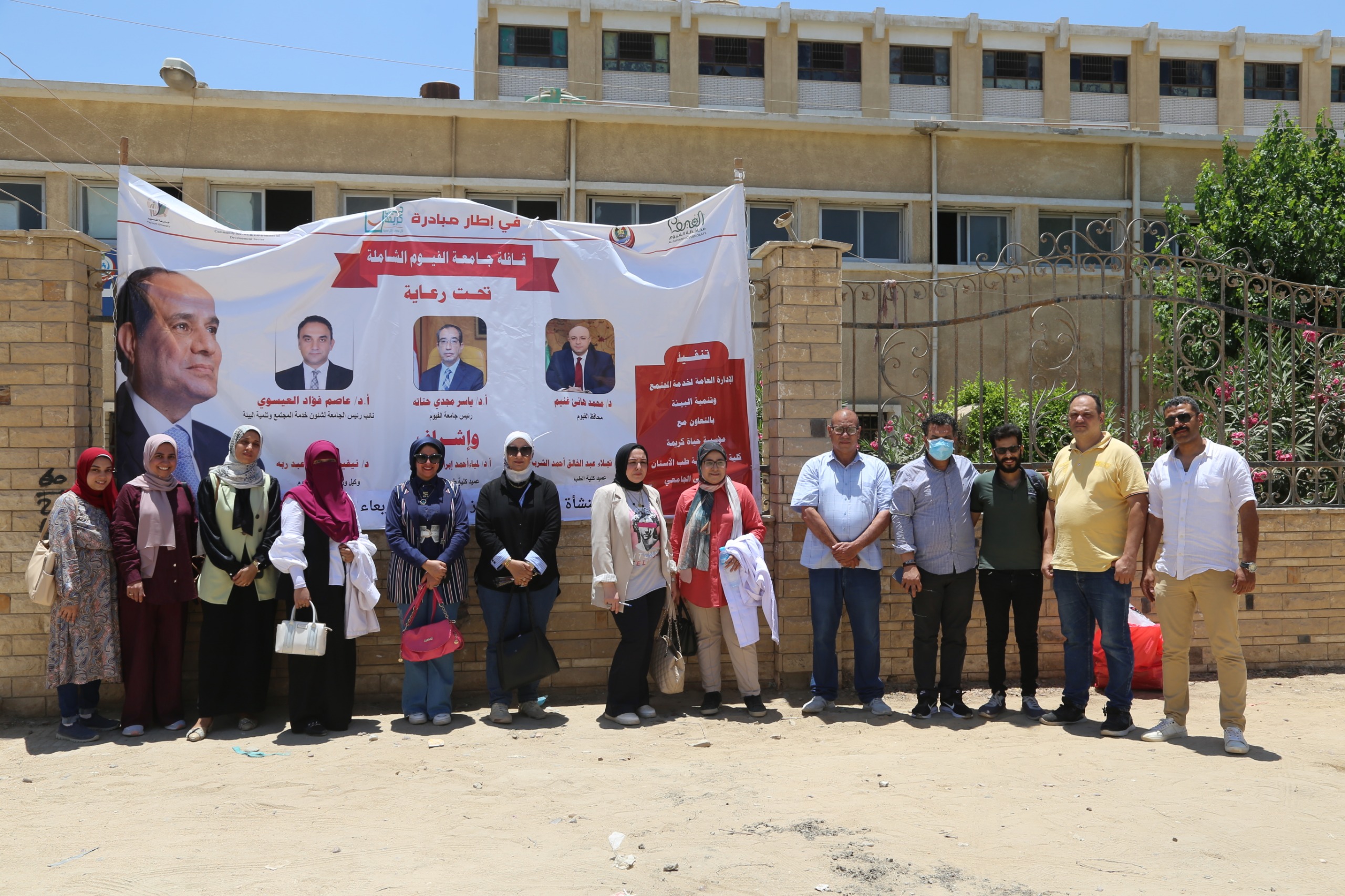
This initiative was held under the auspices of Dr. Mohamed Hani Ghoneim,
Governor of Fayoum, and Prof. Yasser Magdy Hatata, President of Fayoum
University, and under the supervision of Prof. Assem Fouad El-Essawy, Vice
President of the University for Community Service and Environmental Development
and Supervisor of the Postgraduate Studies, Cultural Relations, and Research
Sector, Prof. Naglaa El-Sherbiny, Dean of the Faculty of Medicine, Prof. Lamia
Ahmed Ibrahim, Dean of the Faculty of Dentistry, Prof. Amal Ibrahim Fouad, Dean
of the Faculty of Nursing, and Dr. Nevin Shaaban Abdel Rabbo, Undersecretary of
the Ministry of Health in Fayoum.
In cooperation with the university's Anti-Violence Against Women and
Community Issues Monitoring Units, and under the supervision of Mr. Abdel
Nasser Bakry Mohamed, Director General of the General Administration for
Community Service and Environmental Development, a medical caravan was launched
on Wednesday, June 17, 2026.
Prof. Assem El-Essawy confirmed that the caravan aimed to enhance
healthcare and community services provided to underprivileged families and the neediest
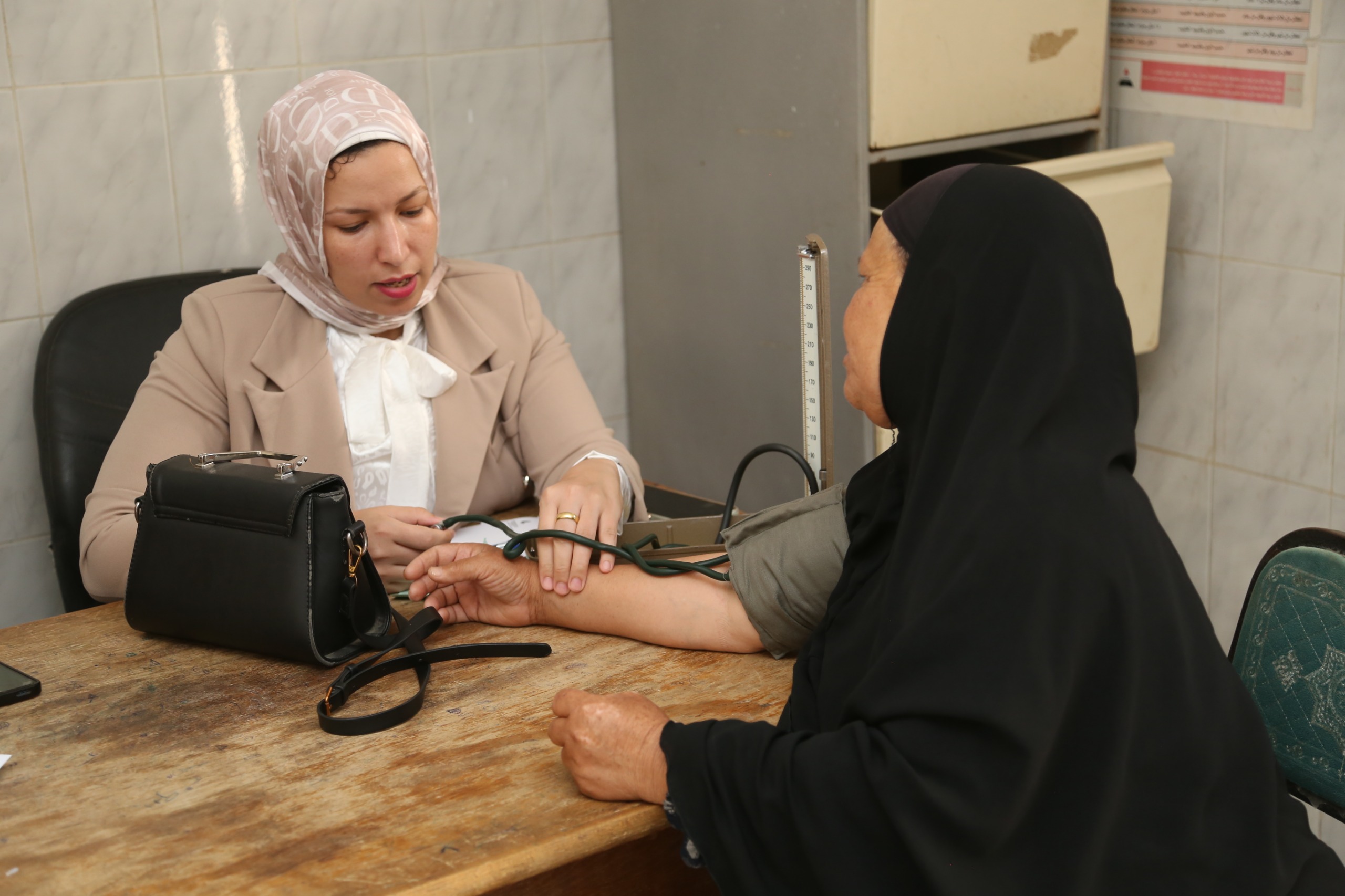
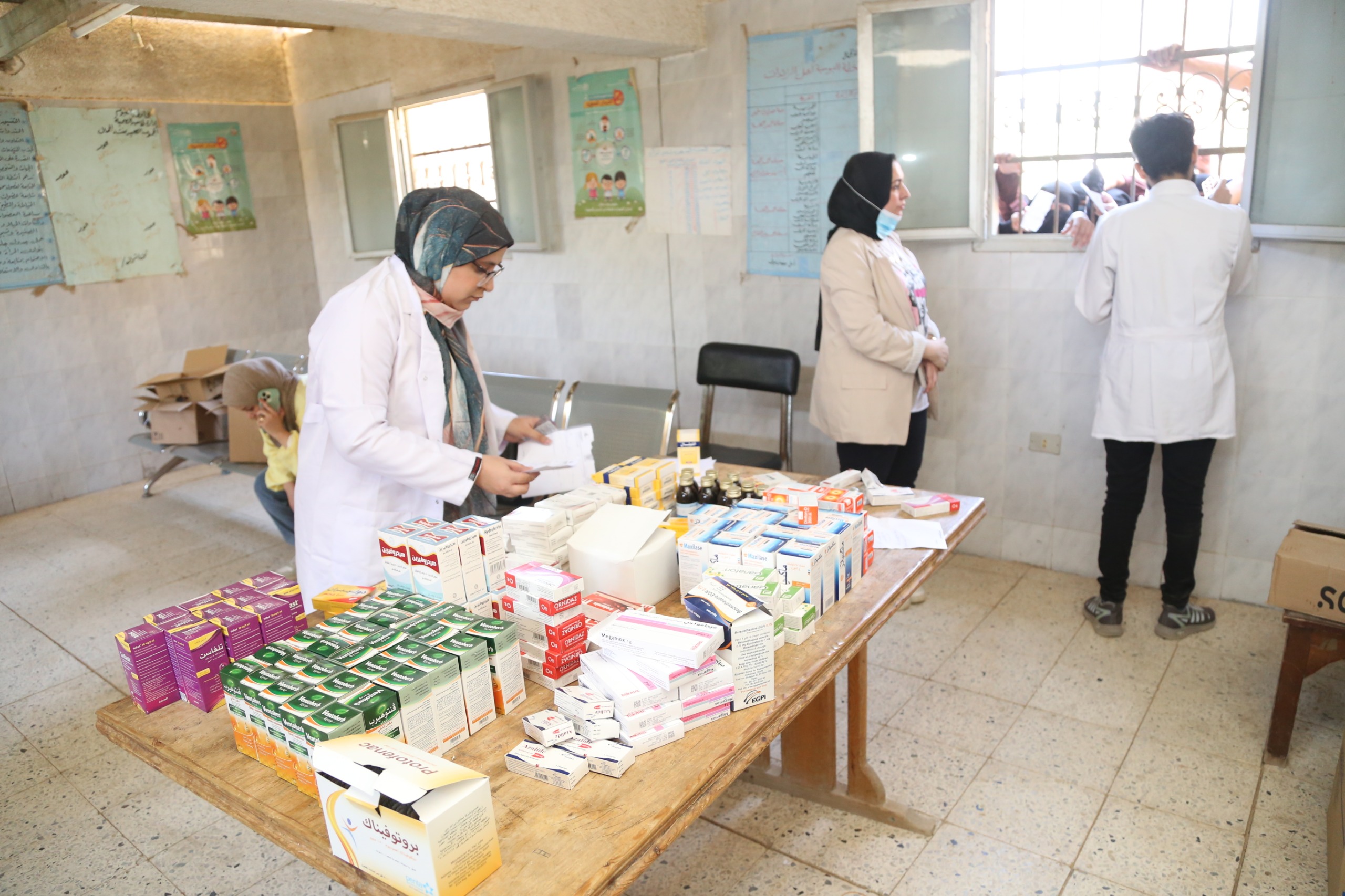
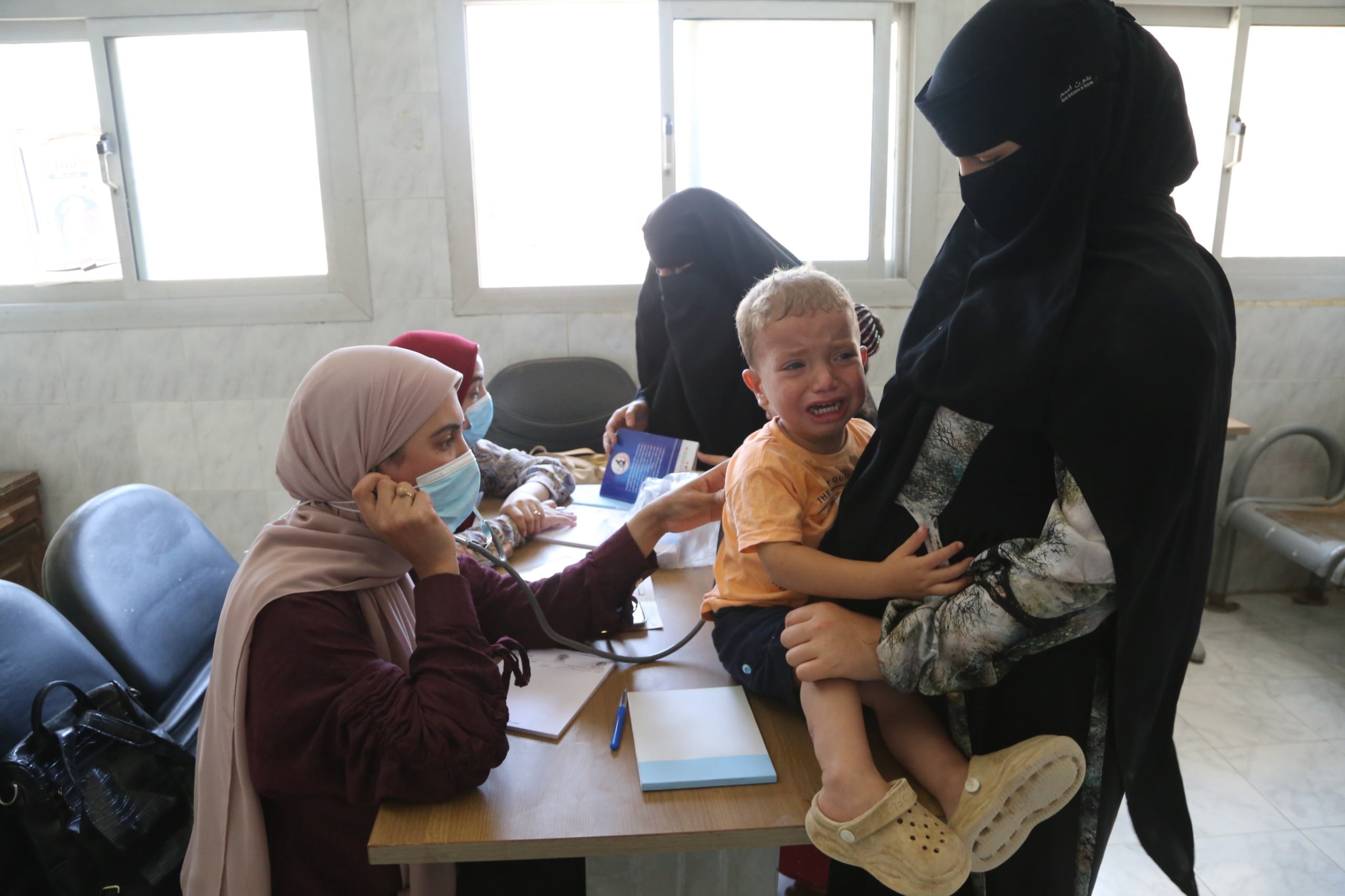
villages. Medical examinations and free medication were provided to 634
residents of the village and surrounding areas, including 194 internal medicine
cases, 87 dental cases, 156 dermatology cases, and 197 pediatric cases. Medical
guidance and necessary health awareness were also provided to those who visited
the caravan.
He noted that the Anti-Violence Against Women Unit at Fayoum University
conducted an awareness campaign on violence against women during the convoy.
Dr. Heba Abdel Wahab, a member of the unit, participated in the campaign,
discussing the manifestations of violence against women in rural Egypt, how to
deal with verbal abuse, and child-rearing practices. The campaign also
addressed the phenomenon of early marriage, its causes, and the choice between
girls completing their education and marrying at a young age. Furthermore, it
covered women's participation and their financial and social management of
their households. A total of 93 women and girls were reached with this
awareness session.
Prof. Assem El-Essawy explained that the caravan also included a
developmental and community component. The Community Problems Monitoring Unit,
under the supervision of Professor Basma Abdel Latif Amin, conducted a
comprehensive field survey to identify the needs of the villagers in the
health, education, social, and service sectors. The survey also aimed to
identify the most prominent challenges related to infrastructure, job
opportunities, and improving income levels. This contributes to creating an
accurate database that supports local development plans and assists
decision-makers in developing more effective mechanisms and strategies to meet
citizens' needs and improve the quality of life in the targeted villages.