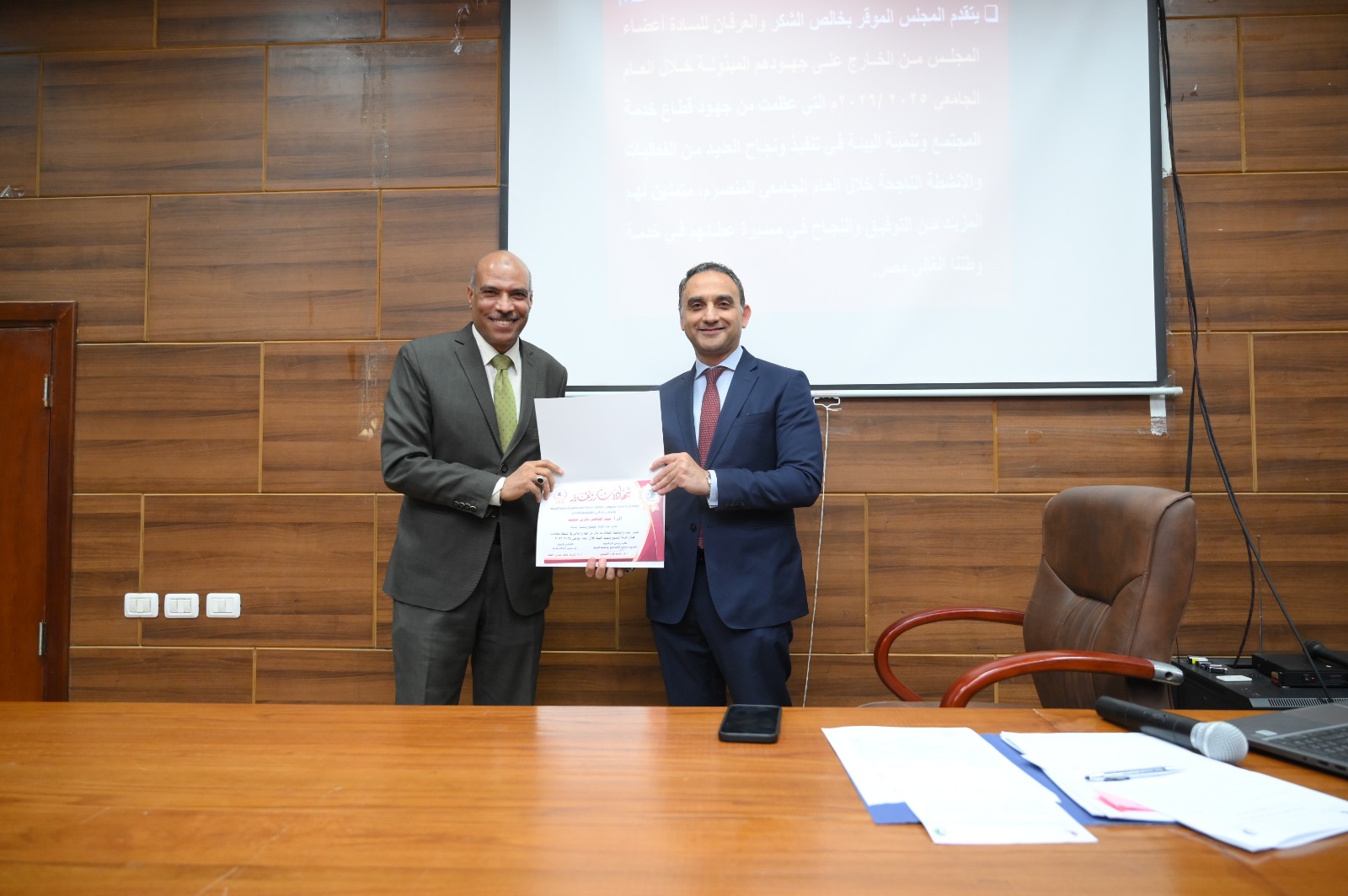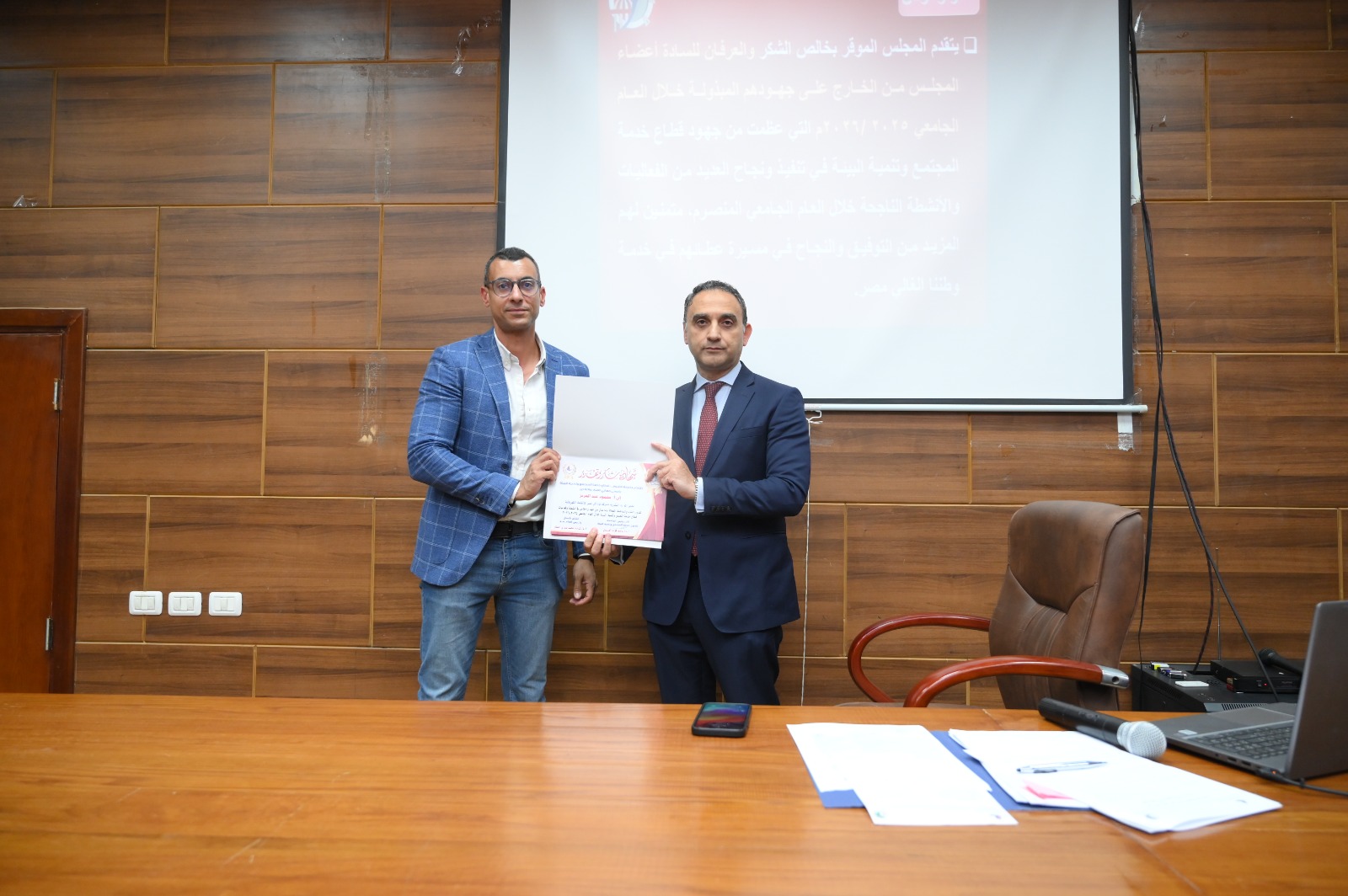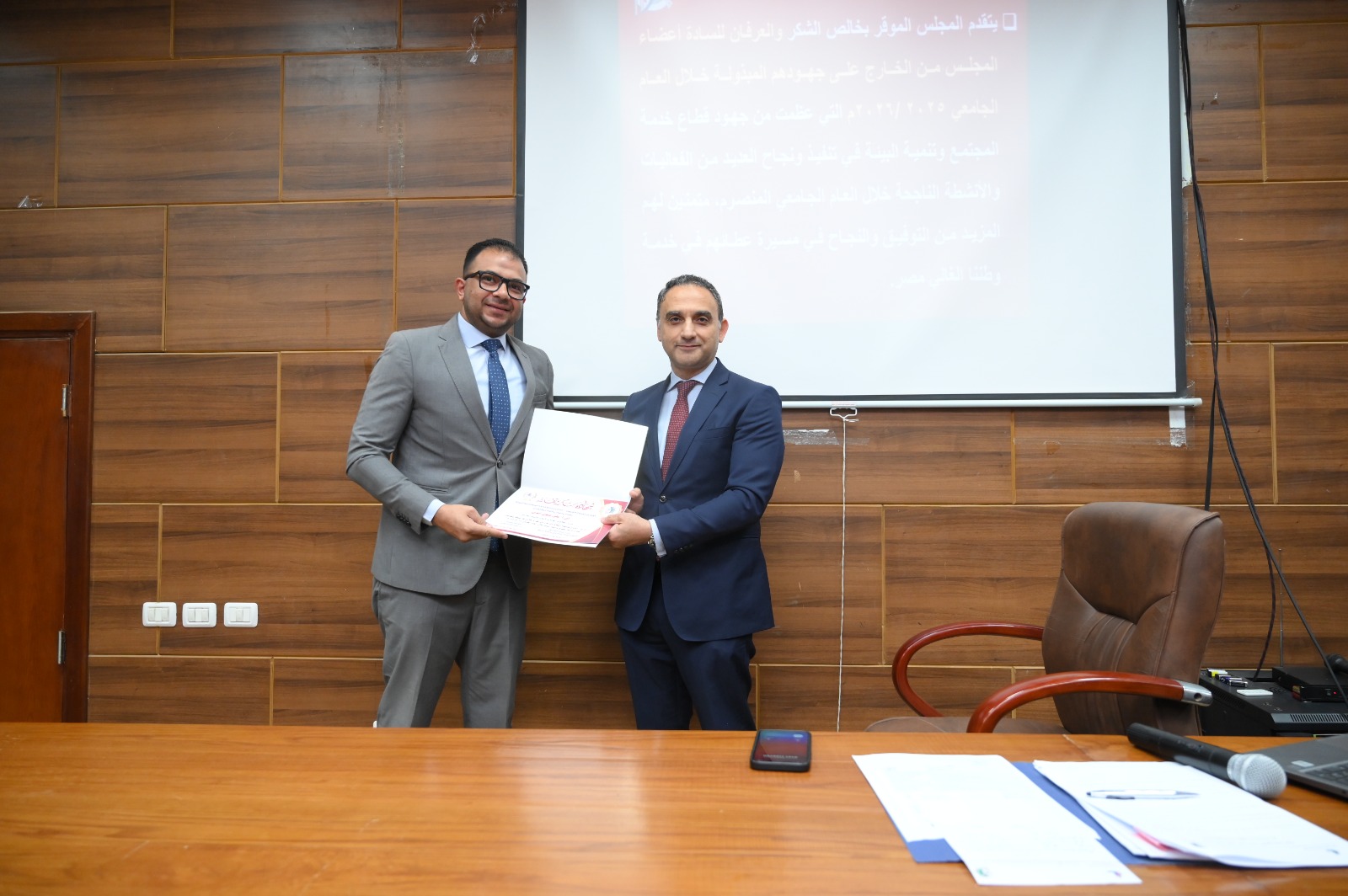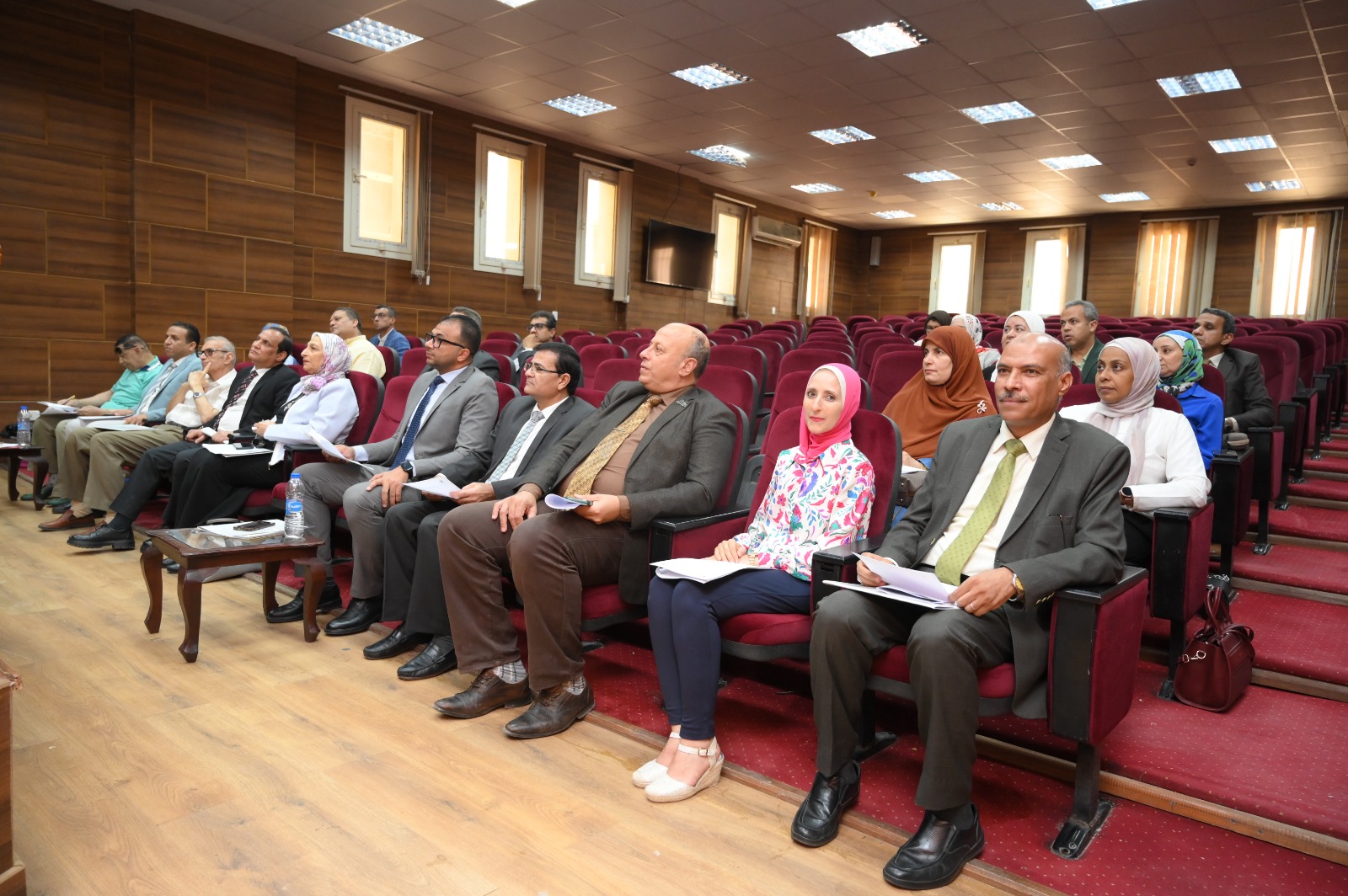
Under
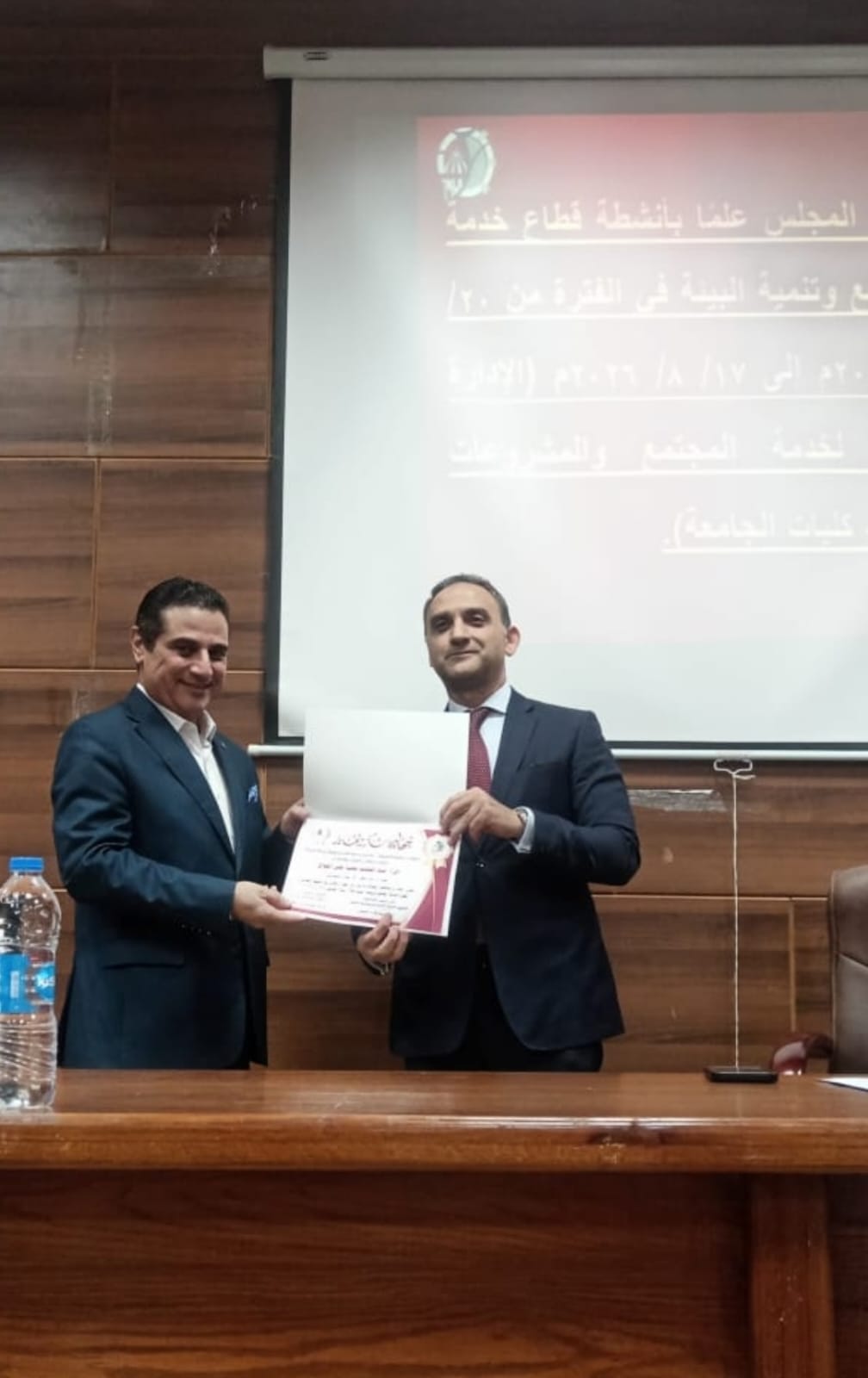
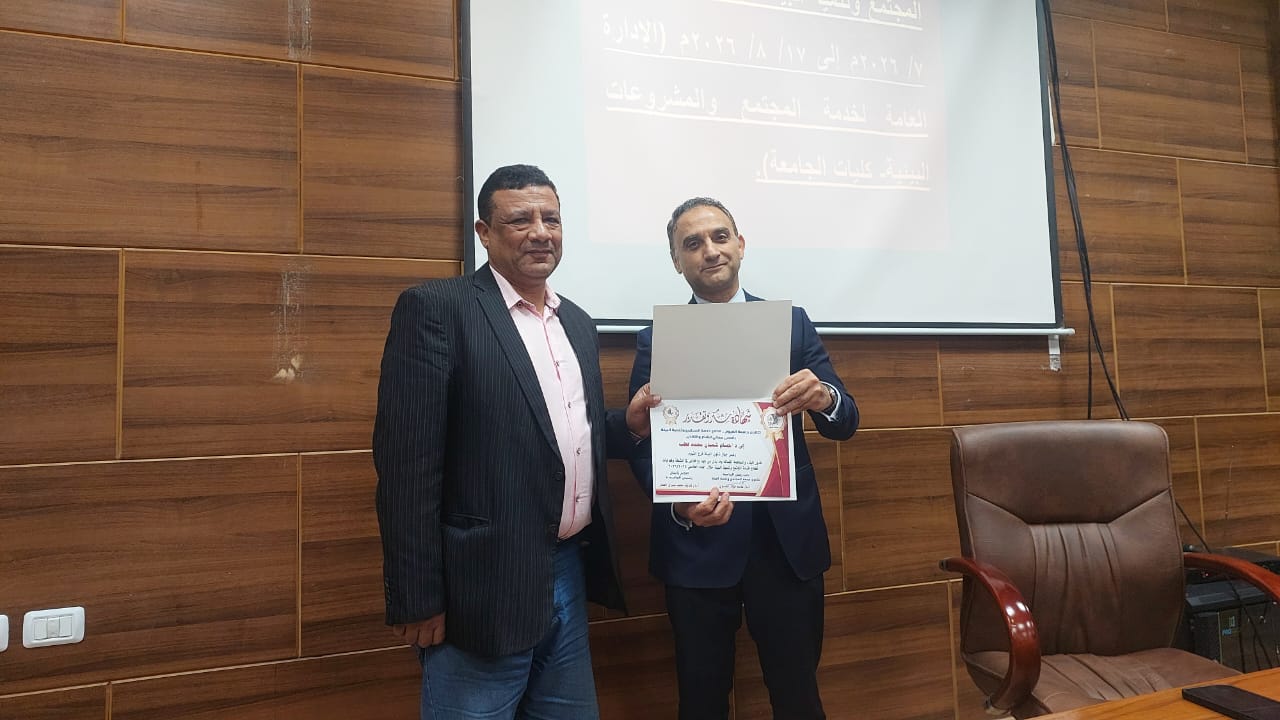
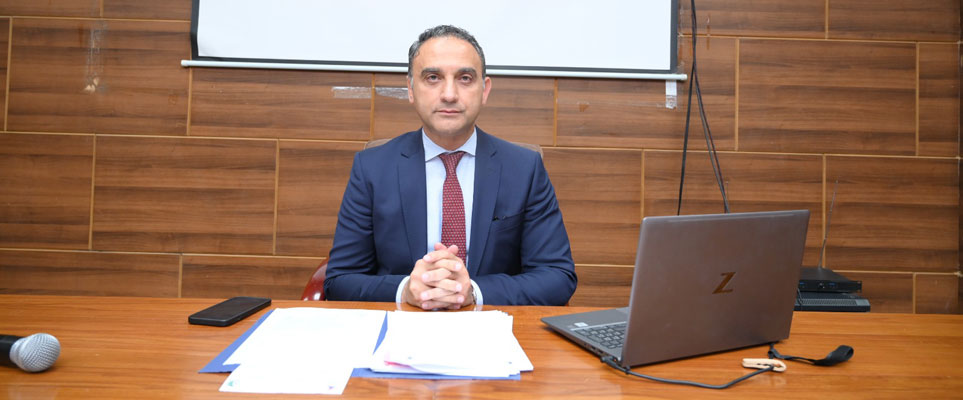
the auspices of Prof. Sherif Mohamed Sabry El-Attar, Acting President of Fayoum
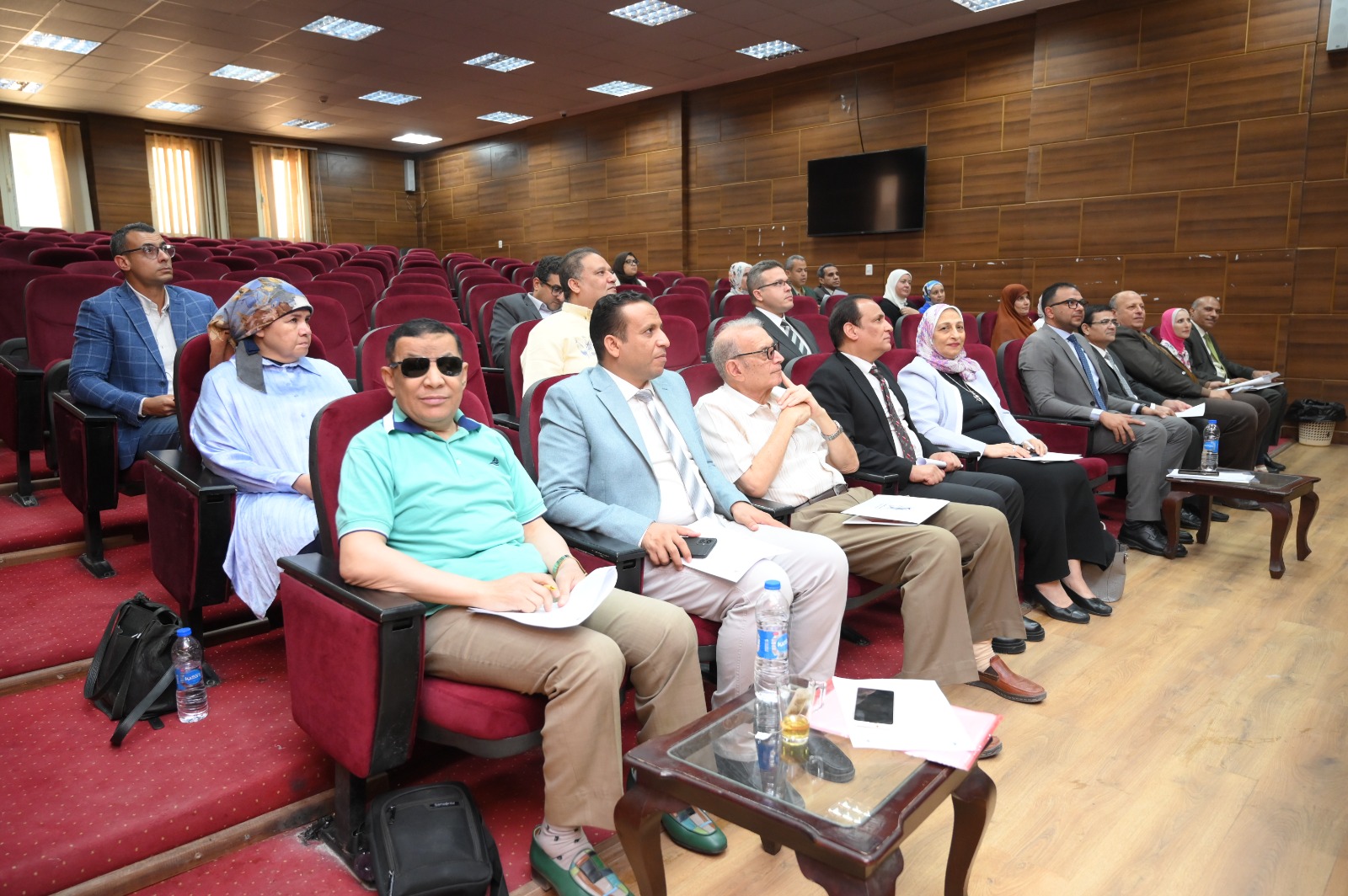
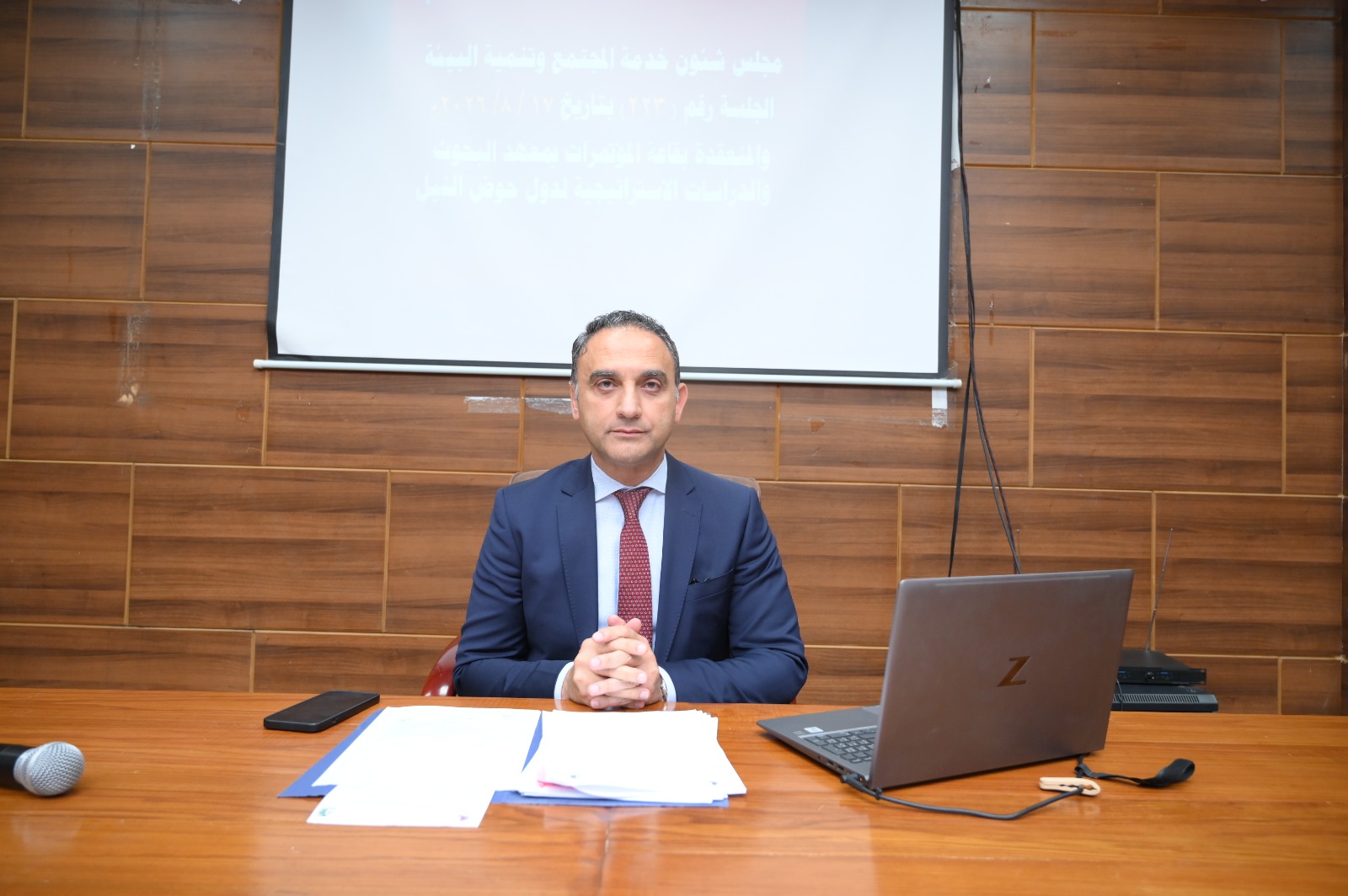
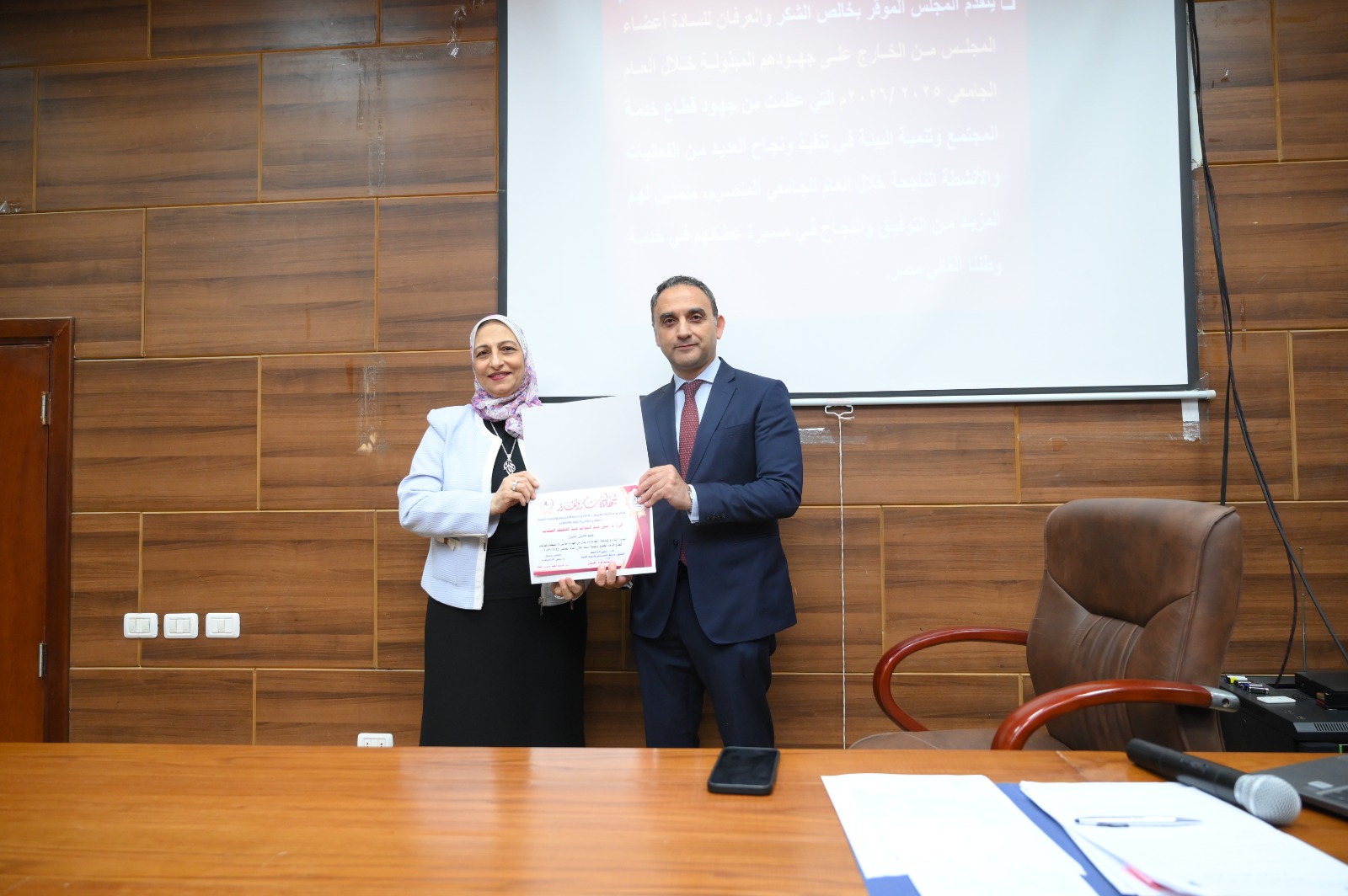
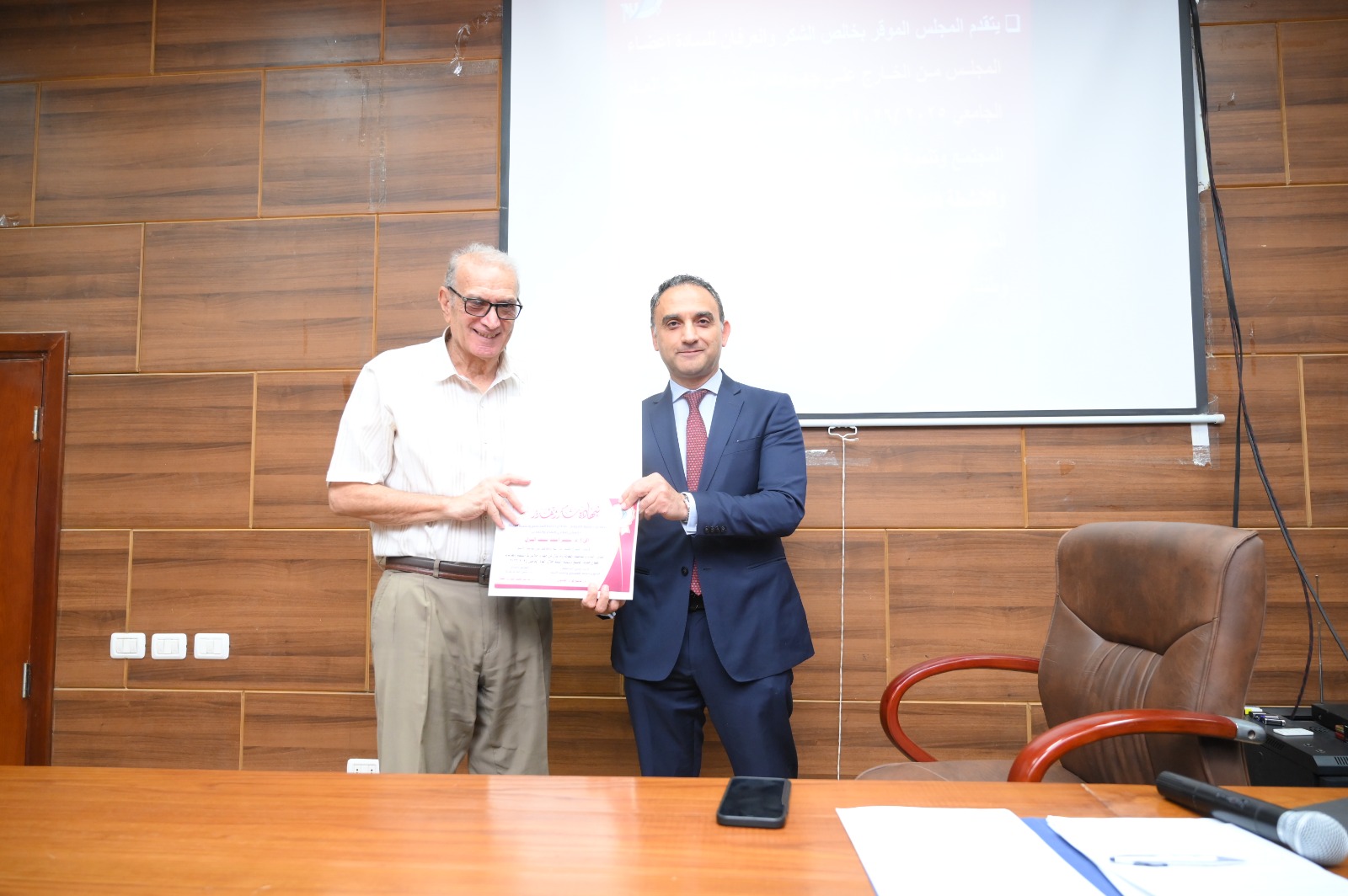
University, and chaired by Prof. Assem El-Essawy, Vice President for Community
Service and Environmental Development, the Community Service and Environmental
Development Council held its 223rd session on Monday, August 17,
2026, with the attendance of the esteemed members.
The
Council was informed of Prof. Assem El-Essawy's participation in the meeting
held by Dr. Mohamed Hany Ghoneim, Governor of Fayoum, with relevant authorities
to discuss mechanisms for joint cooperation with Fayoum University. This
cooperation will focus on utilizing the field study prepared by the Community
Service and Environmental Development sector through the University's
"Community Problems Monitoring and Study Unit." The study covered 10
villages across the governorate, aiming to identify their needs for various
basic services, thereby facilitating access to services for citizens and
supporting sustainable development plans.
The
Council was also informed of the introductory meeting organized by Fayoum
University via teleconference during the fourth session of the National
Initiative for Smart Green Projects. This meeting aimed to raise awareness of
the initiative's objectives and encourage young people, researchers, and
entrepreneurs to submit innovative projects that support the transition to a
green economy.
The
Council was also informed of the Supreme Council of Universities' letter
regarding the Social Observatory report from the National Center for Social and
Criminological Research, entitled: "Public Perspectives on Some
Controversial Issues in Personal Status Matters." The report aims to
monitor the opinions of a sample of the general public on some issues currently
under public debate. It contributes to informing experts and decision-makers as
they draft a new personal status law, reflecting societal trends on these
issues, thus ensuring the effectiveness and public acceptance of such
legislation. The report was also sent to the relevant faculties, including the
Faculties of Computer Science and Artificial Intelligence, Arts, Dar Al-Uloom
(Faculty of Islamic Studies), Social Work, Law, and the University's Community
Problems Monitoring Unit.
Furthermore,
several protocols and cooperation agreements were presented to entities
interested in collaborating with the Community Service and Environmental
Development sector at Fayoum University.