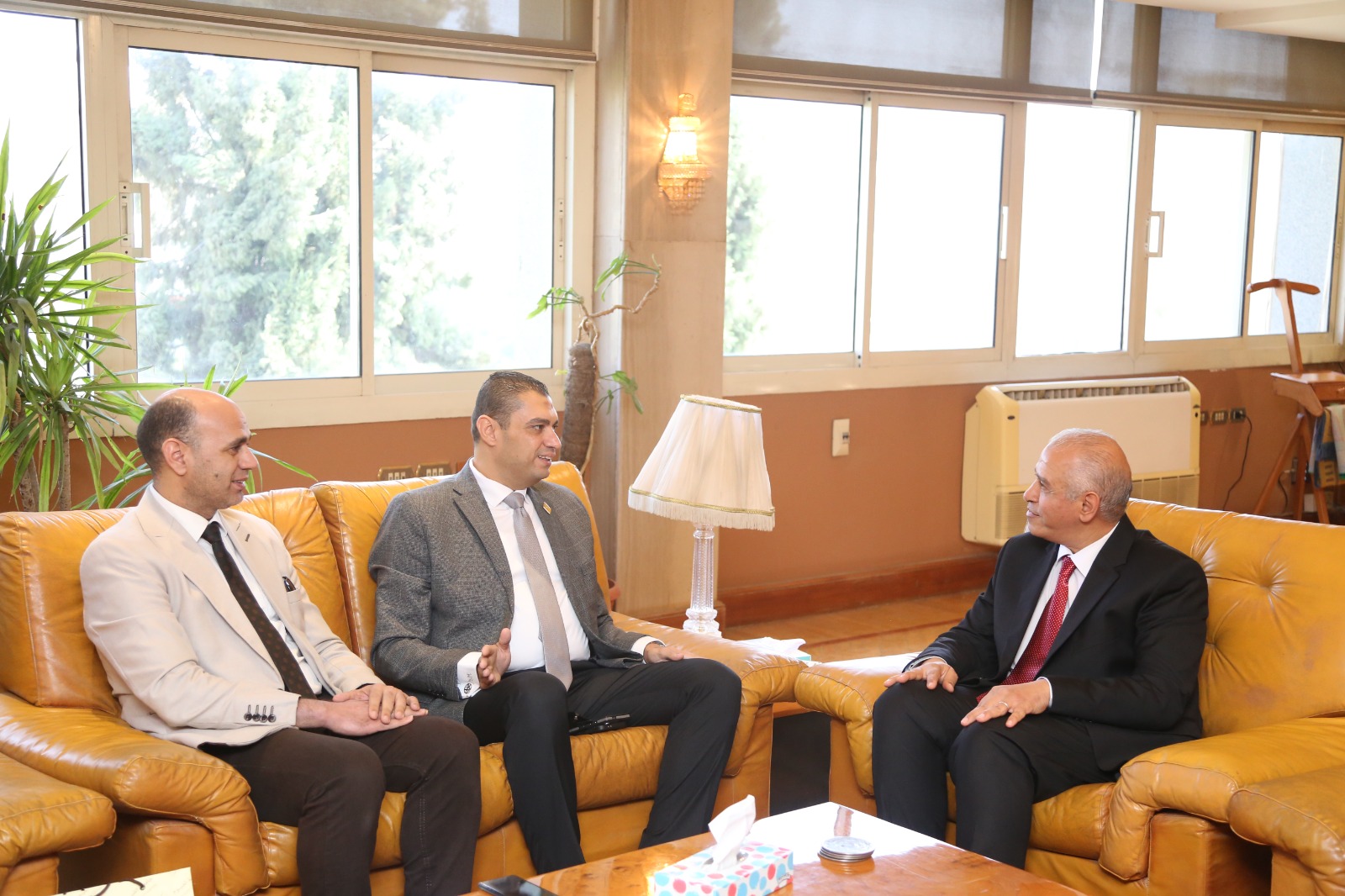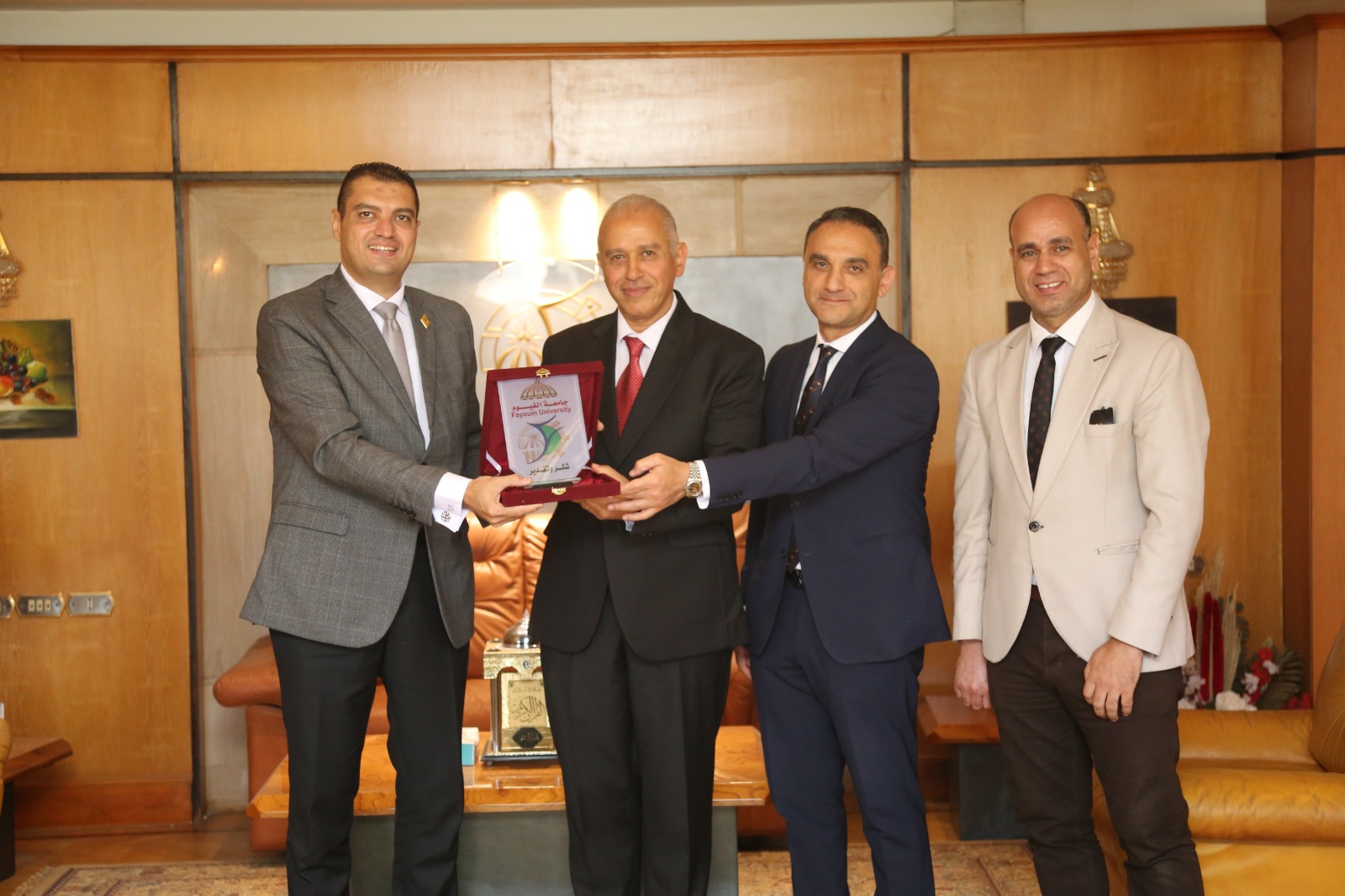



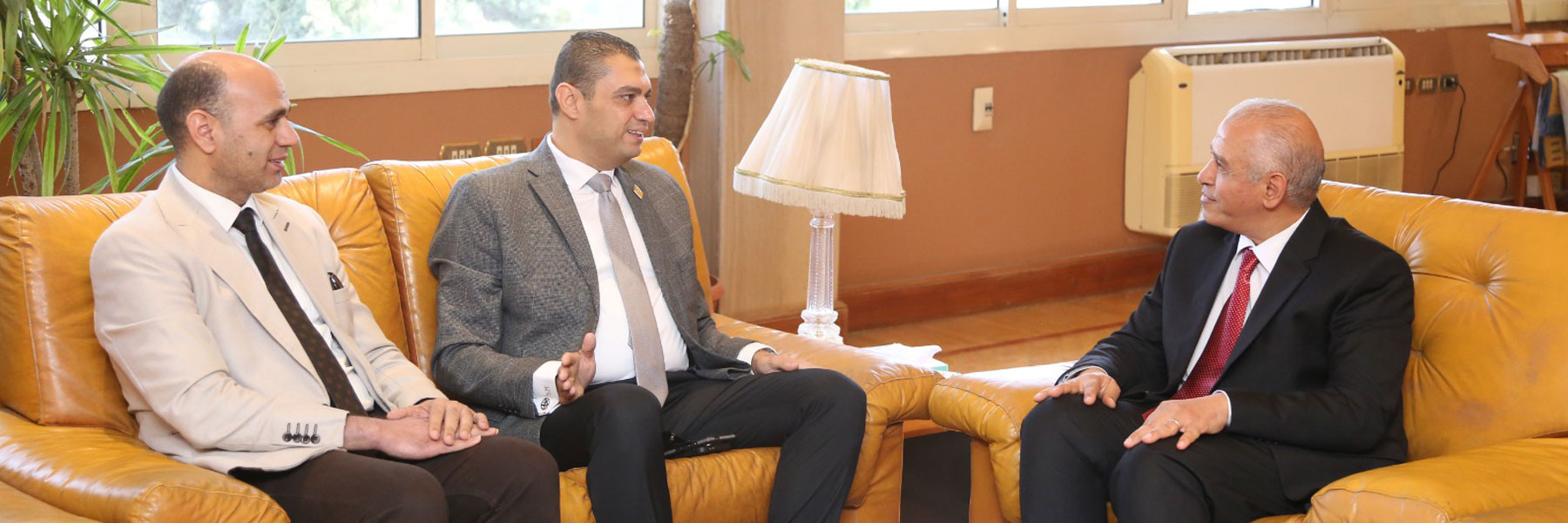
Prof.
Sherif Mohamed Sabry El-Attar, Acting President of Fayoum University and Vice
President for Education and Student Affairs, and Prof. Assem El-Essawy, Vice
President for Community Service and Environmental Development, received Prof.
Mohamed Mohsen Ramadan, Cybersecurity and Cybercrime Consultant and Lecturer at
the Military College of Management Sciences, as part of the Leadership
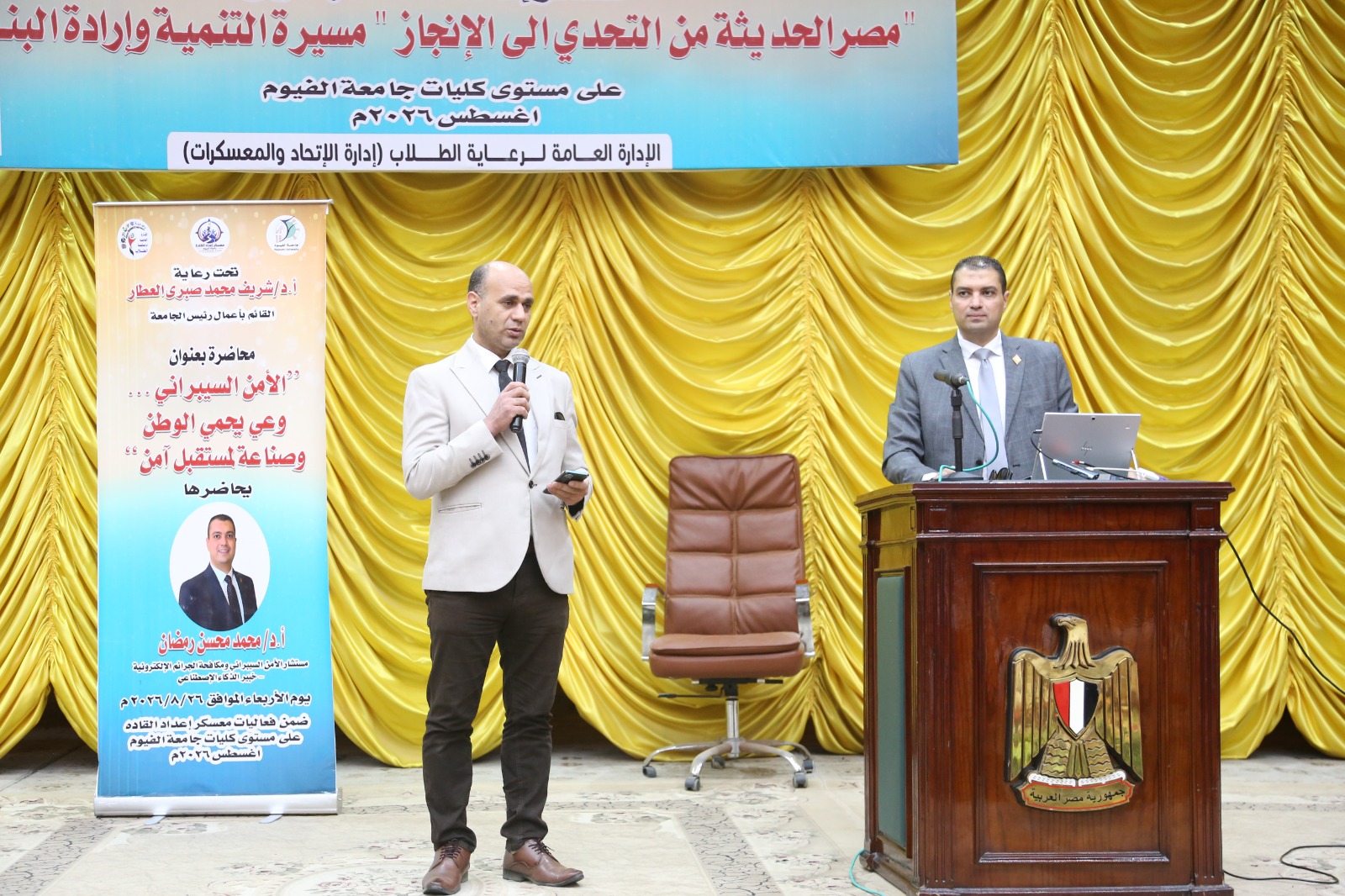
Development Camp held at the university. Prof. Ramadan delivered a lecture on
cybersecurity entitled: "Awareness that Protects the Nation - Building the
Future."
The
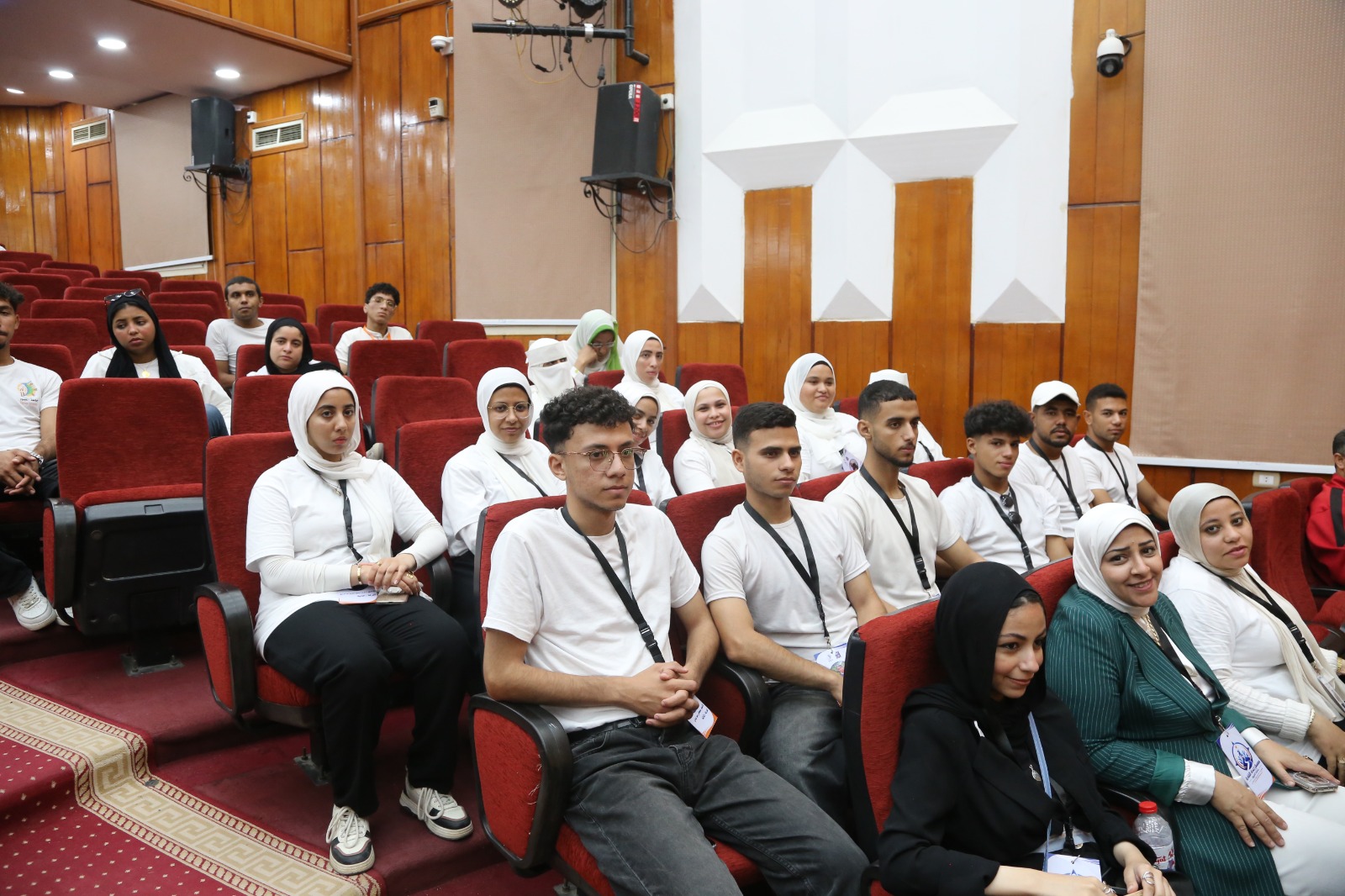
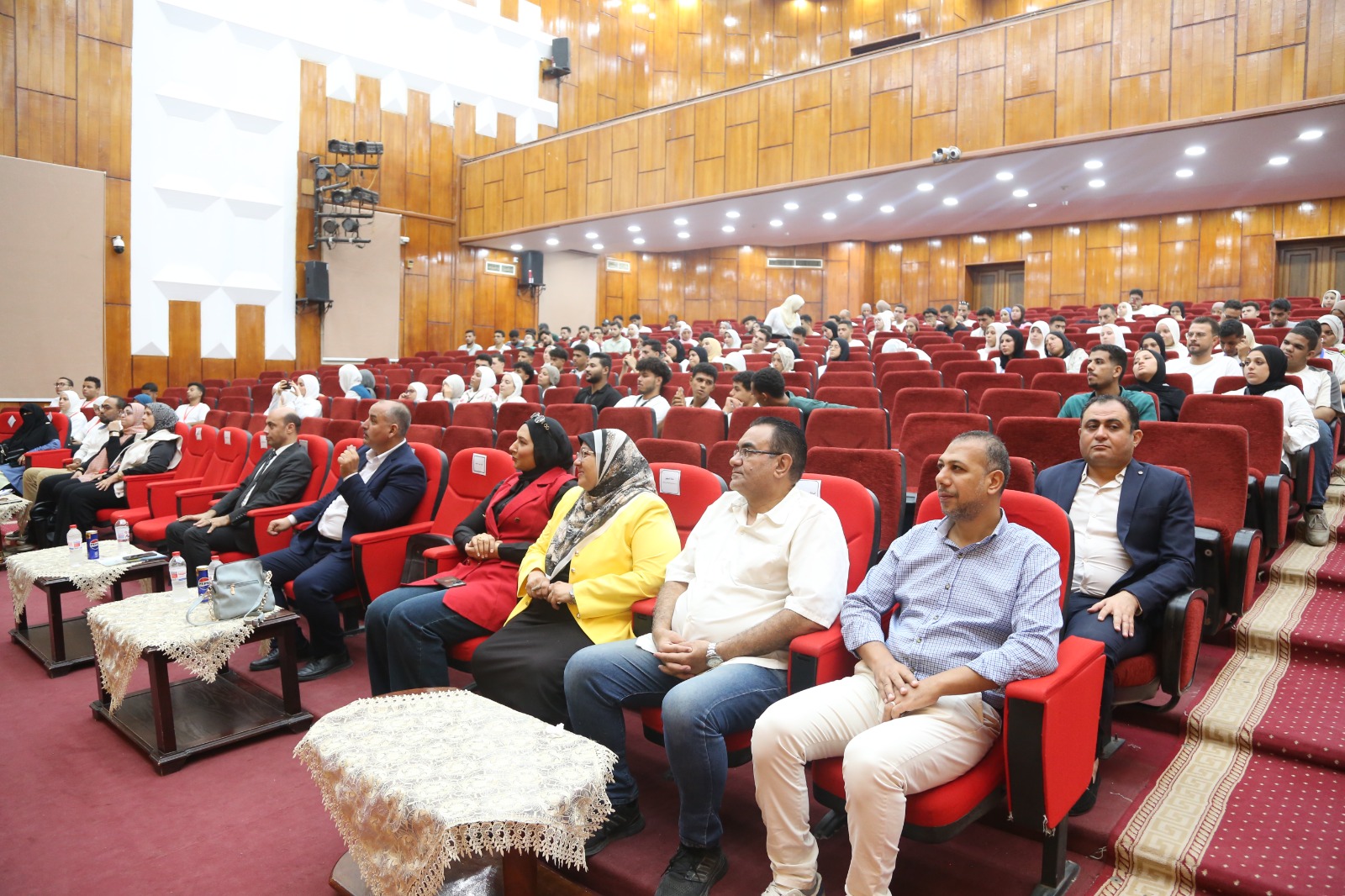
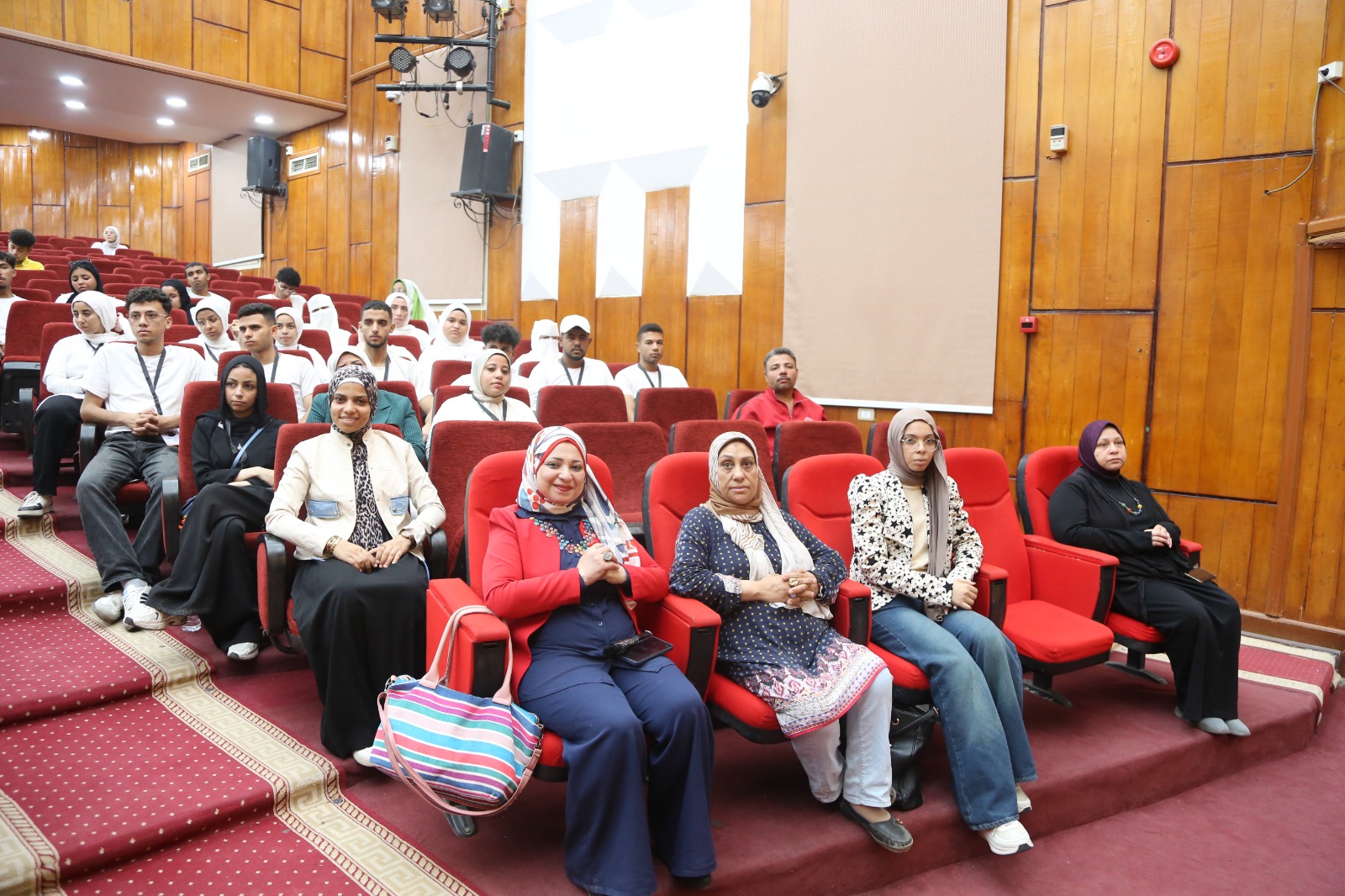
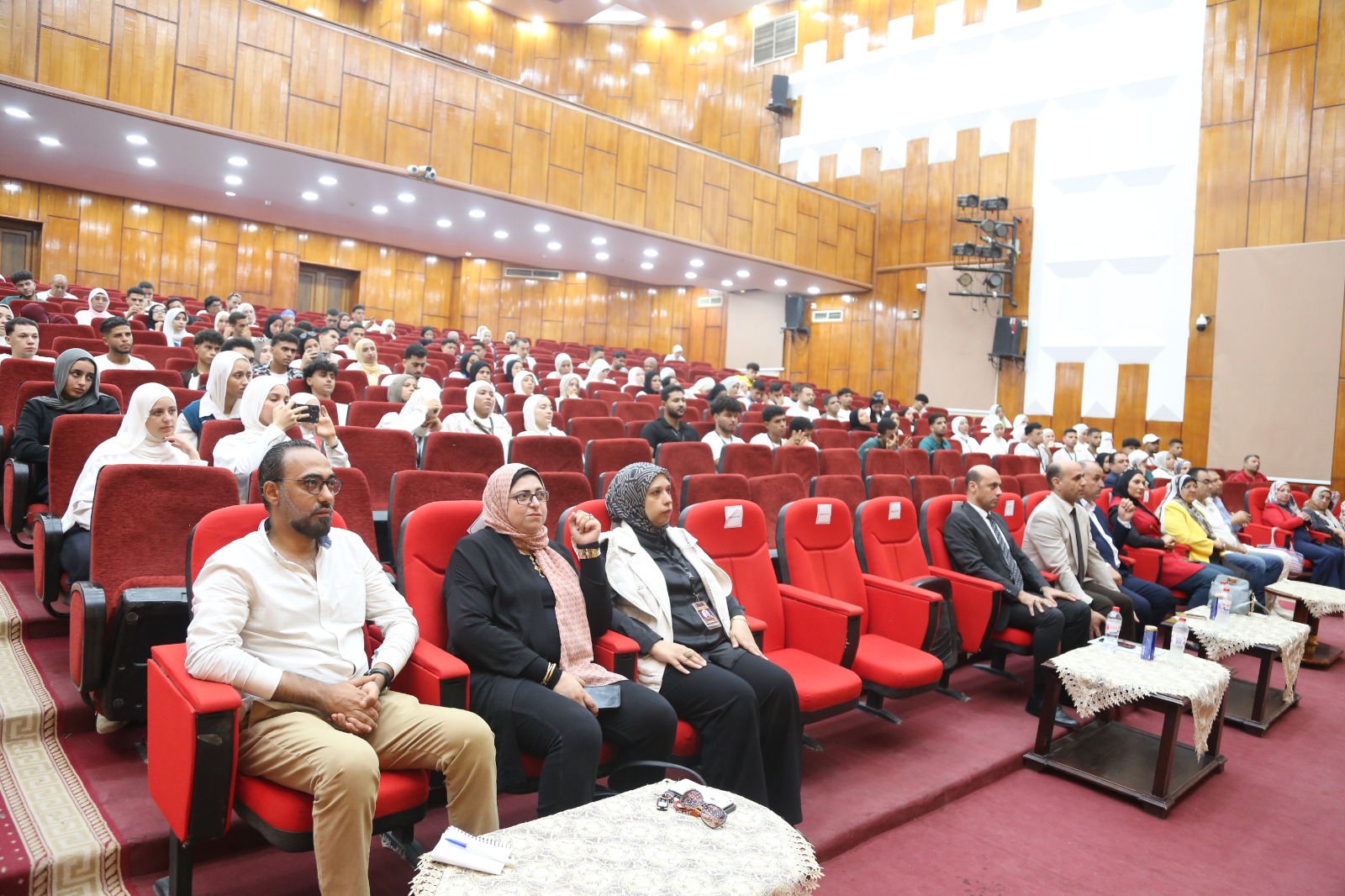
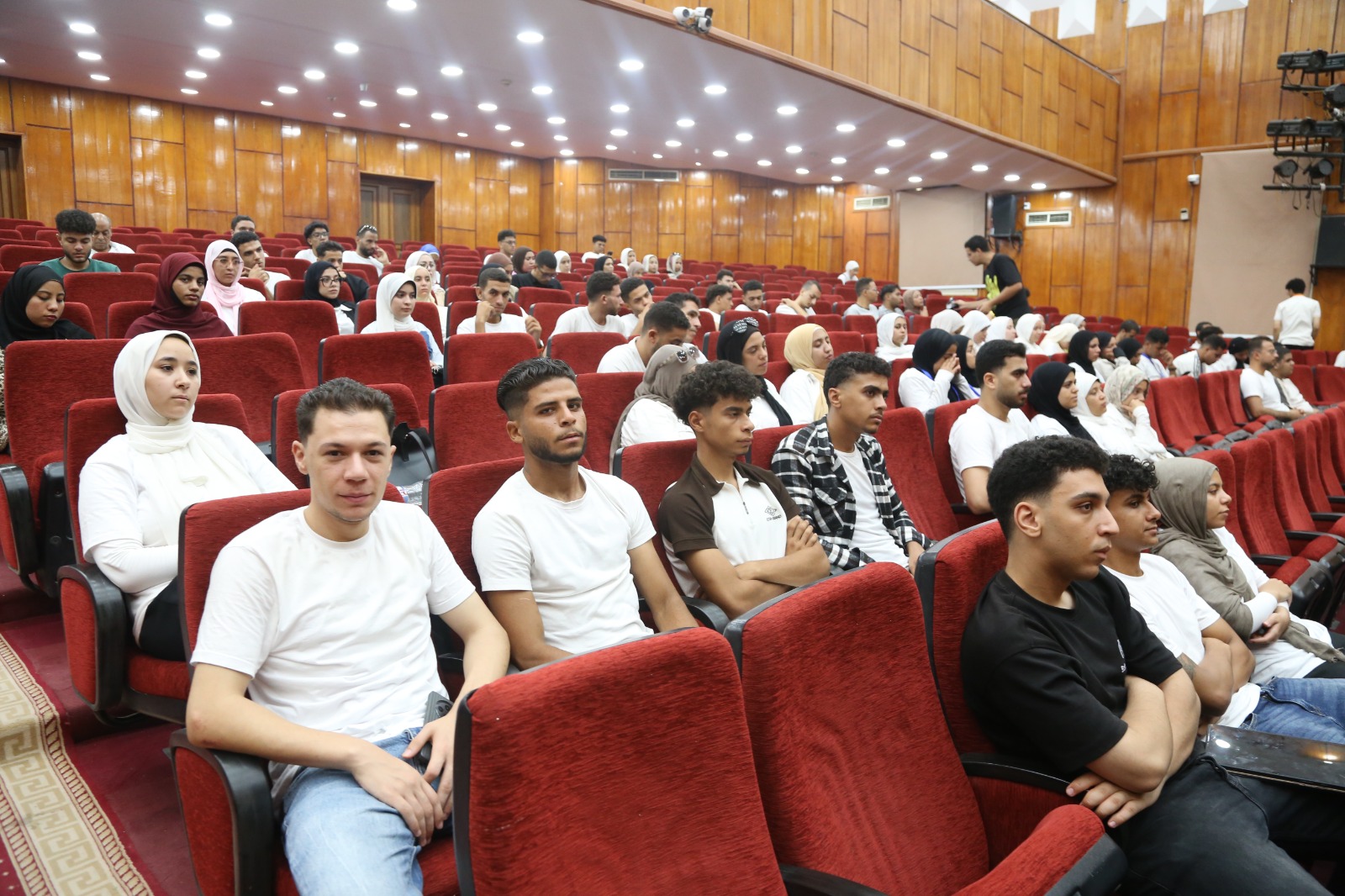
event was attended by Prof. Wael Tobar, General Coordinator of Student
Activities, members of the camp's judging committee, faculty members, and
participating students. It took place on Wednesday, August 26, 2026, in the
university's main auditorium.
During
the lecture, Prof. Mohamed Mohsen explained that the world is witnessing a
massive influx of information, making the need for digital protection
increasingly urgent. He clarified that cybersecurity rests on several key
pillars, including the role of individuals and the necessity of raising their
awareness of data protection methods and the institutional procedures that
organizations adopt to protect their systems, in addition to security
technologies such as encryption, anti-spyware, and antivirus software.
He
continued, stating that technology has become an essential part of human life
since the First Industrial Revolution, through the Fifth Industrial Revolution,
and into the current era of artificial intelligence. He emphasized that modern
warfare is no longer traditional but now relies on electronic armies and
institutions and companies with intertwined interests and objectives operating
across cyberspace.
The
lecture also discussed the concept of cybersecurity as the continuous process of
protection and defense against cyberattacks to prevent unauthorized access to
systems, networks, and information infrastructure. It also covered the
definition of internet networks, digital awareness, methods of digital
targeting and extortion, digital fingerprinting, algorithms, and cyber threats
posed by artificial intelligence.
Prof.
Mohamed Mohsen emphasized to the students the importance of being aware of
mechanisms to protect themselves from online fraud, extortion, and scams. This
includes the necessity of safeguarding personal data, using trusted electronic
applications, avoiding connecting to public Wi-Fi networks or scanning
unofficial QR codes, and refraining from opening unknown links to protect
personal data security. He also stressed the importance of seeking help from
family and relevant security authorities if subjected to any form of online
extortion.
The
lecture also included a discussion session with the students, during which
their questions and inquiries related to cybersecurity were addressed.