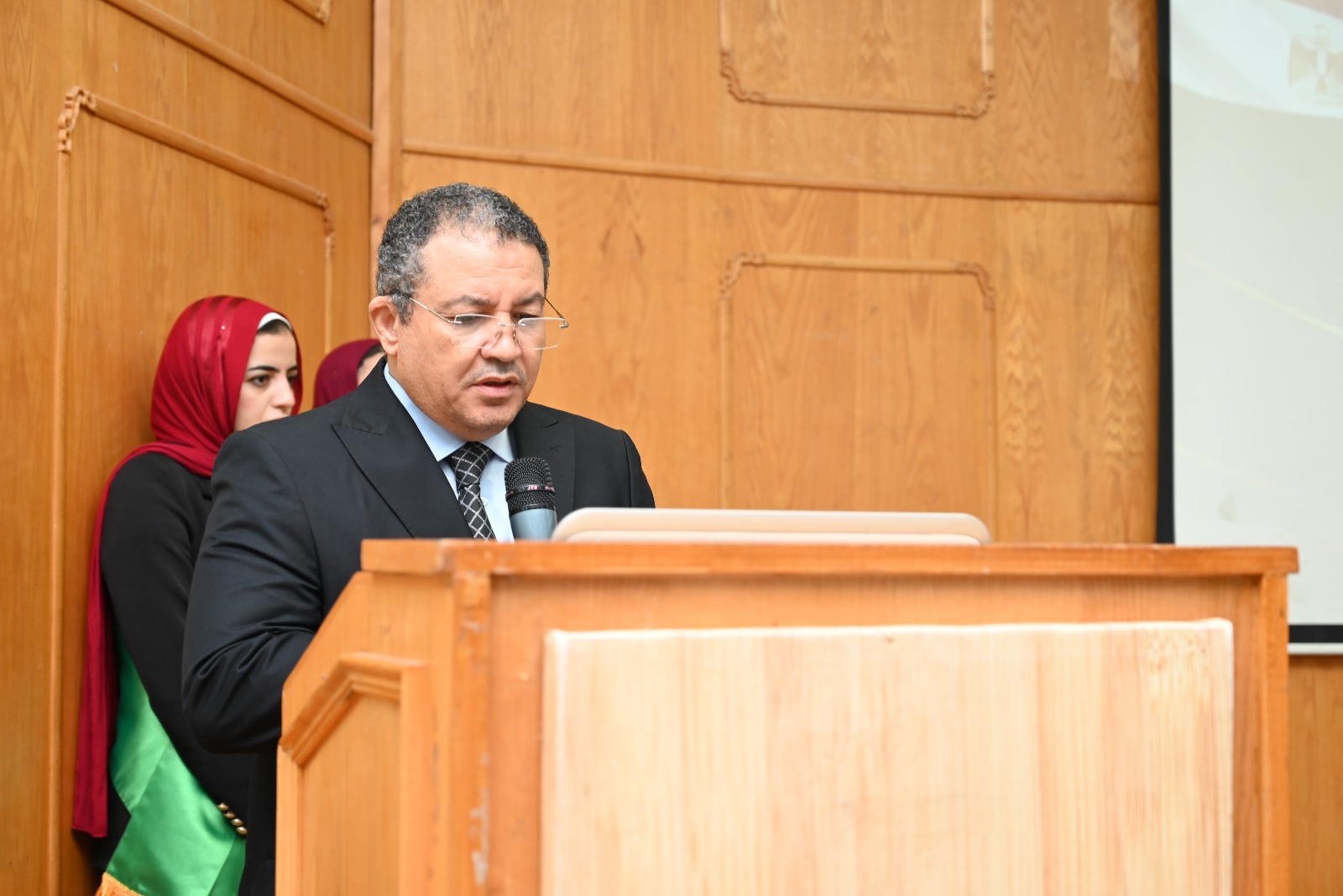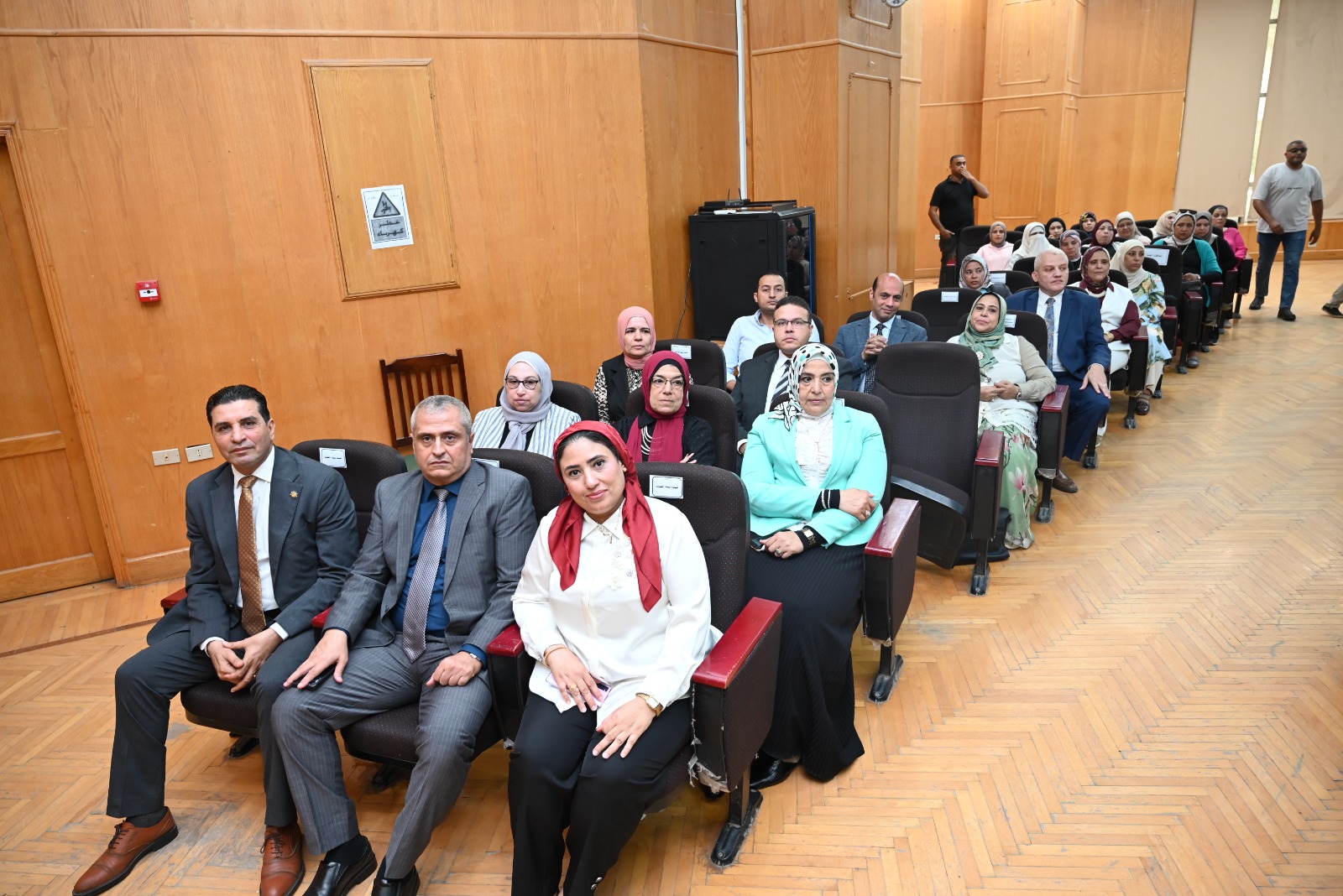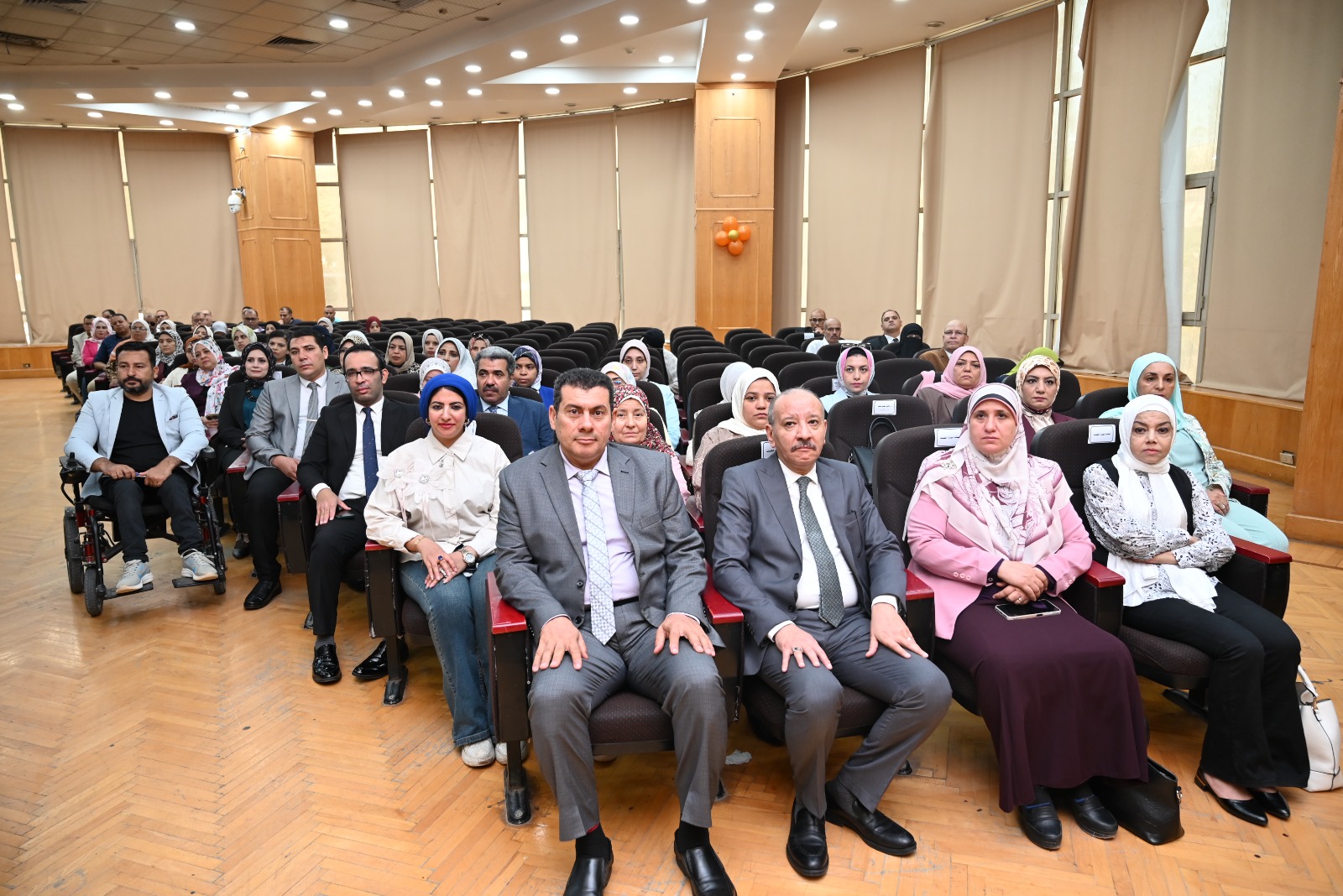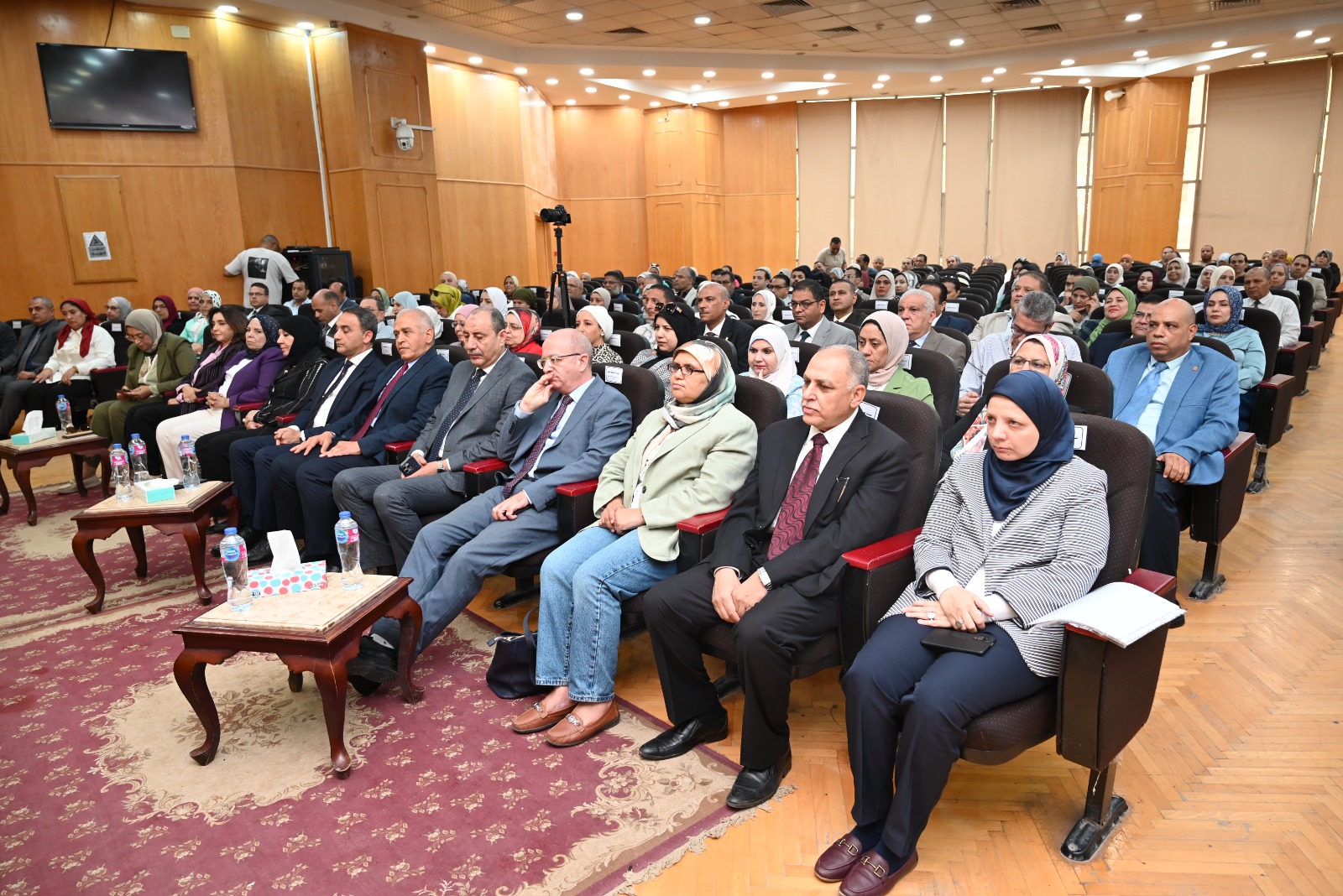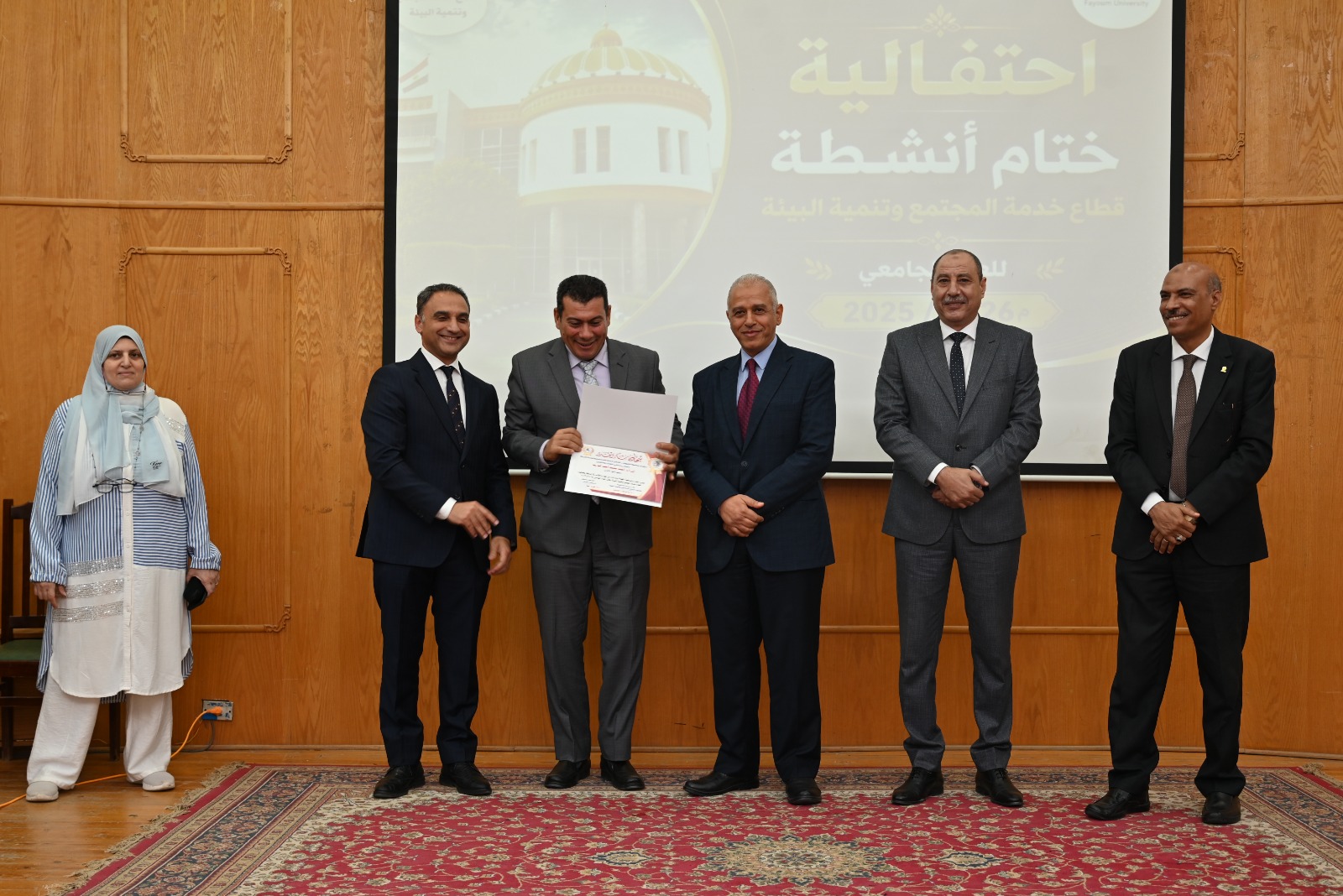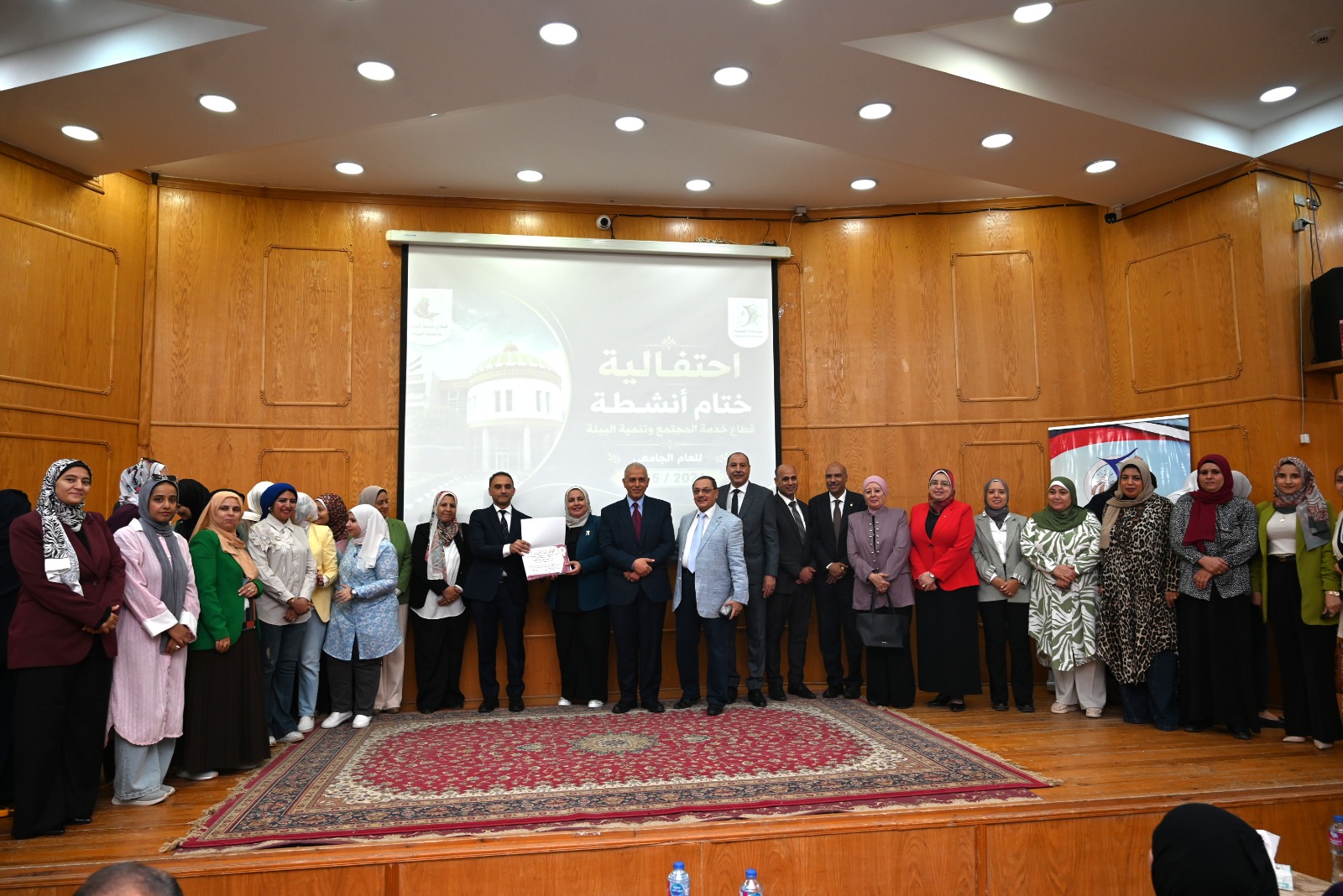


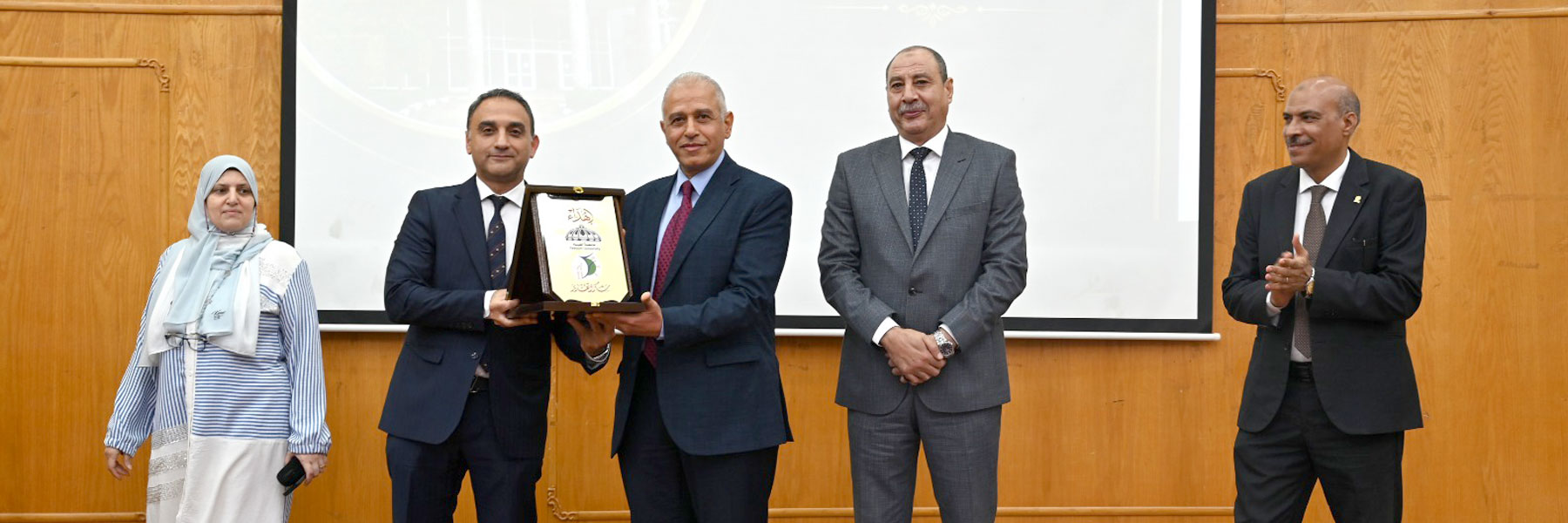
Prof. Sherif
Mohamed Sabry El-Attar, Acting President of Fayoum University, and Prof. Dr.
Assem El-Essawy, Vice President for Community Service and Environmental
Development, attended the closing ceremony for the Community Service and
Environmental Development sector’s activities for the 2025/2026 academic year.
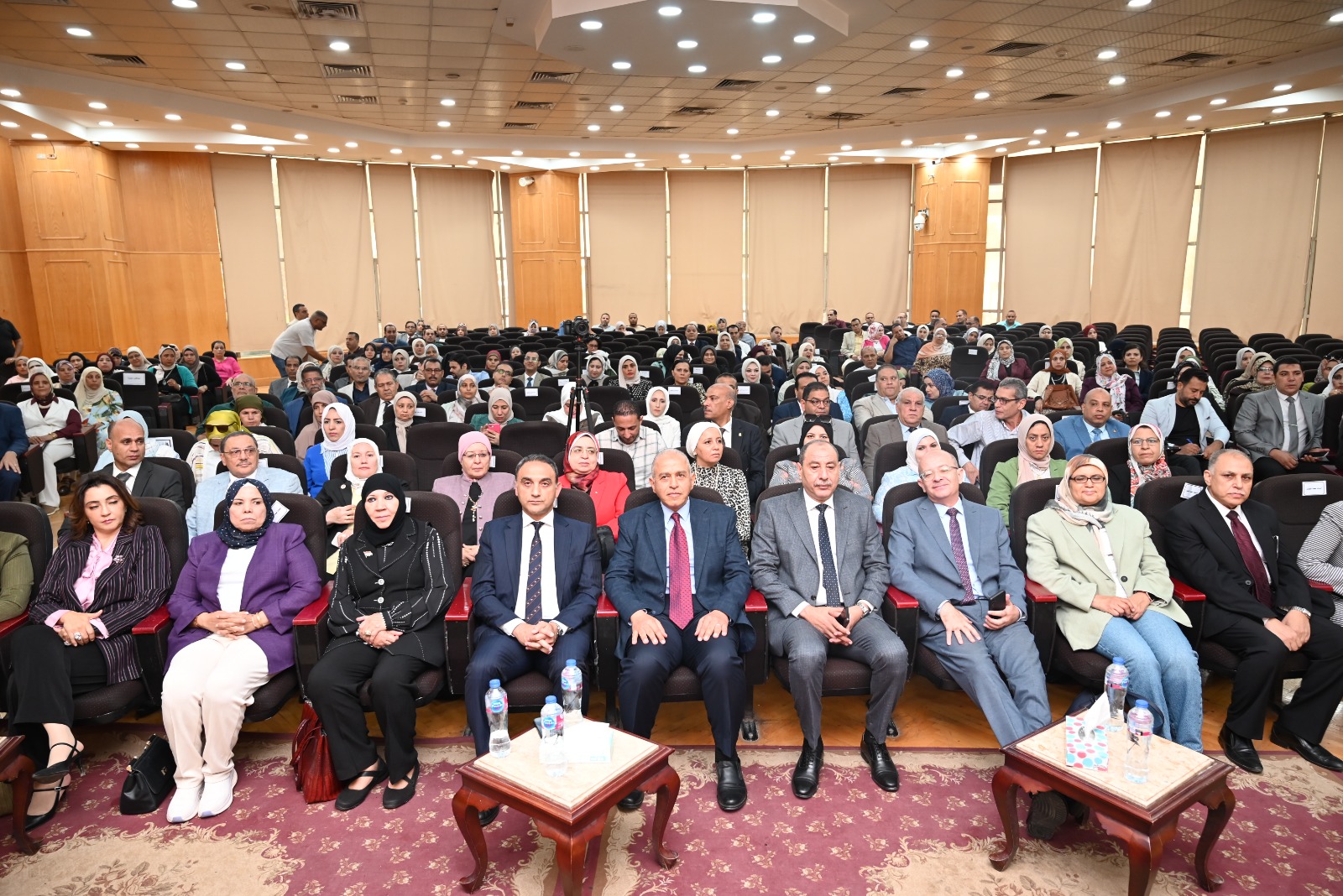
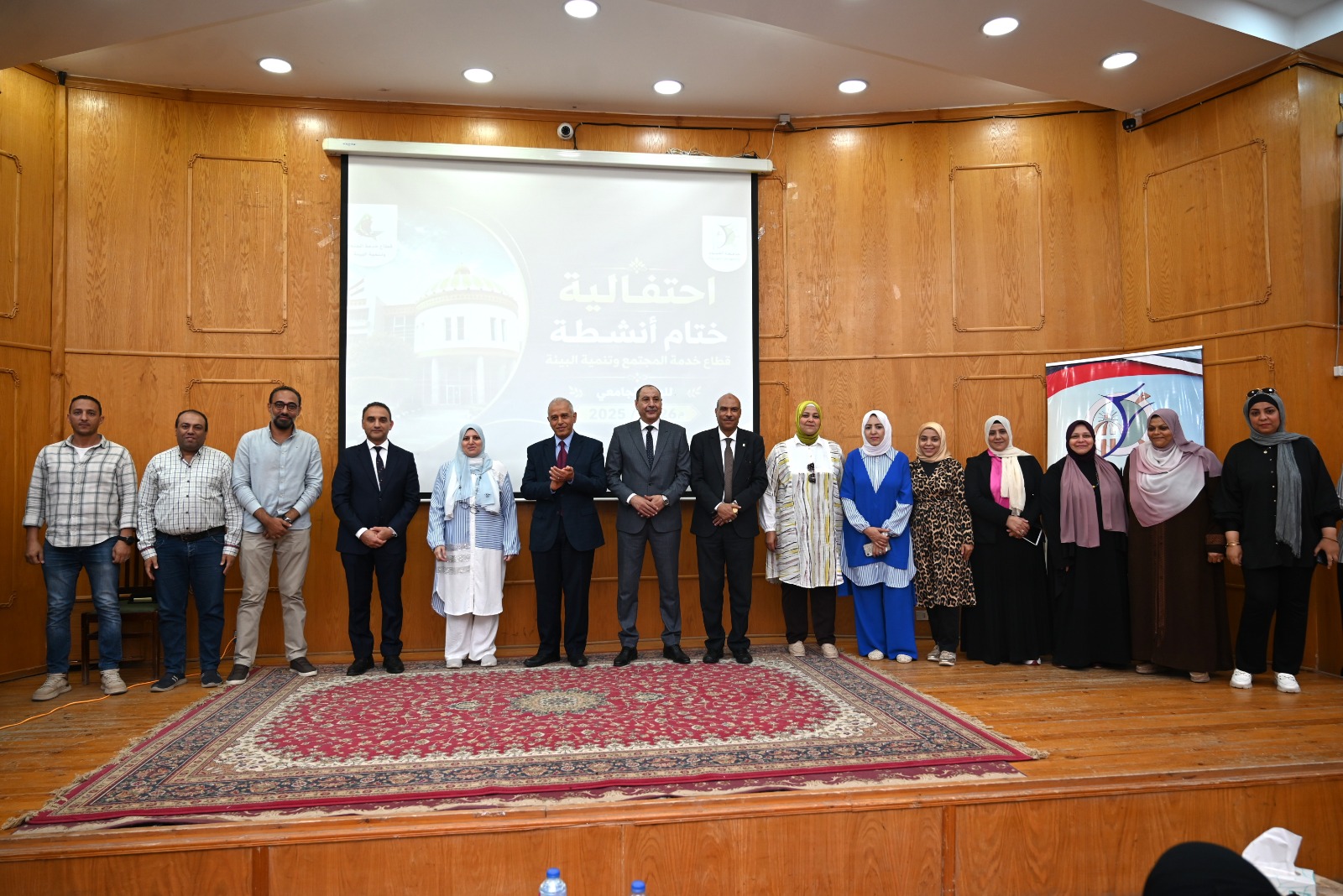
The event took place on Monday, September 14, 2026, at the University’s Central
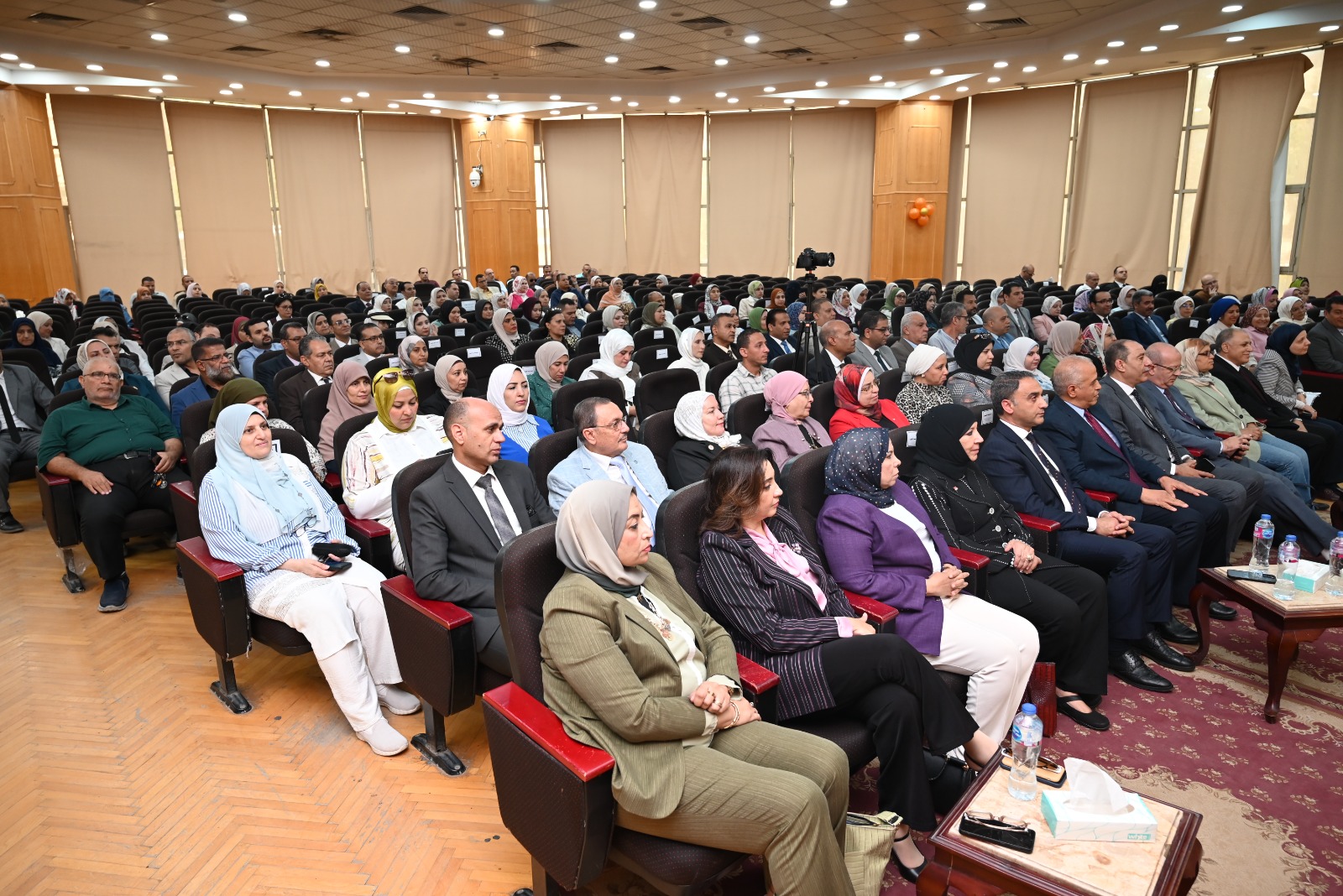
Library, and was attended by Mr. Ahmed Rashad, University Secretary-General;
various faculty deans and vice-deans; directors of centers and special-purpose
units; faculty members; general managers; administrative staff; and honorees
from outside the university.
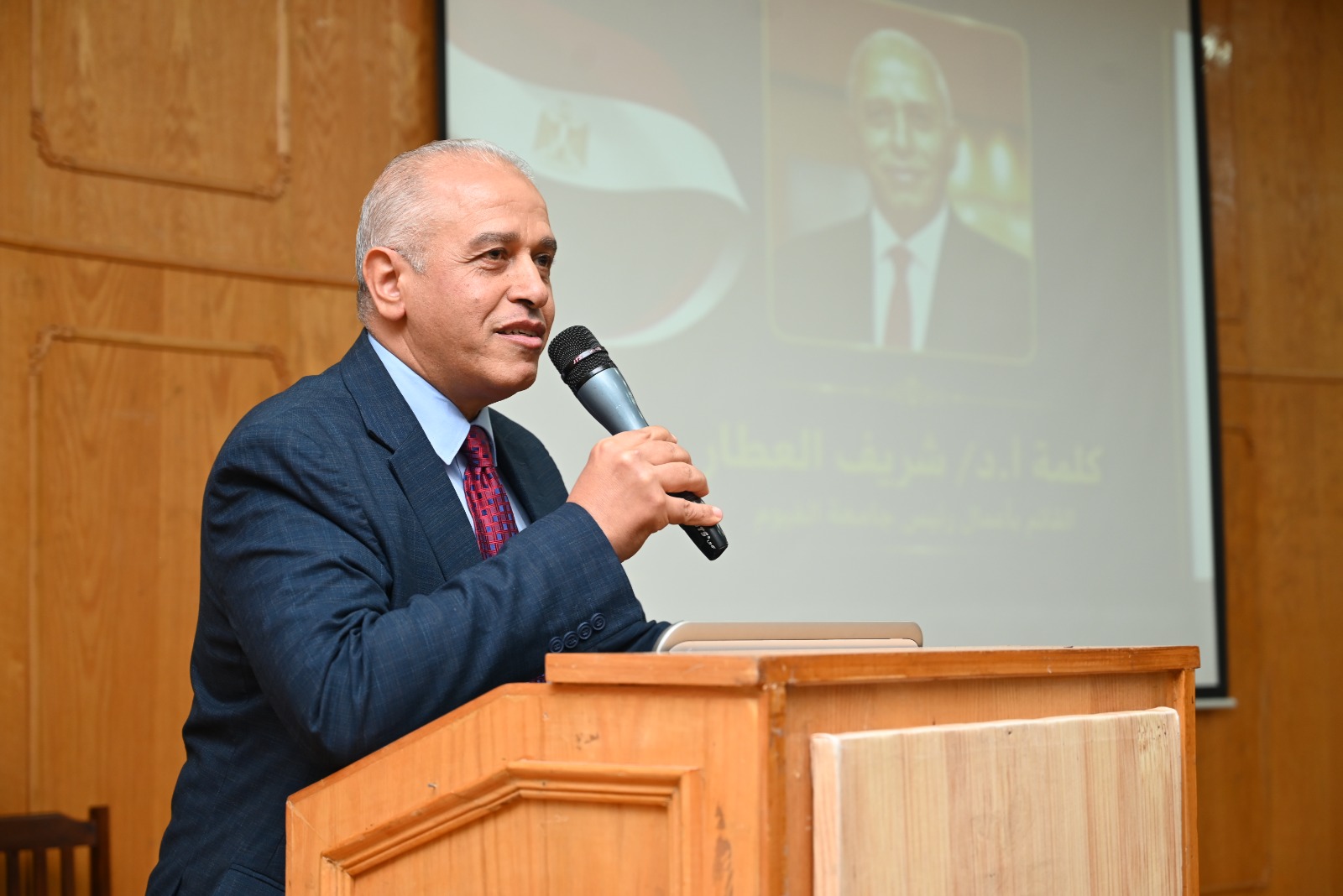
Prof. Sherif
El-Attar stated that the Community Service and Environmental Development sector
at Fayoum University is a vital sector, offering diverse services to the local
community. These services are delivered through partnerships and cooperation
protocols with relevant community institutions, as well as through medical
convoys visiting the governorate’s villages and hamlets, and awareness seminars
and workshops covering a wide range of fields and disciplines.
He also
emphasized the role of regional universities in driving development across
governorates—economically, culturally, and scientifically—by expanding applied
scientific research that contributes to solving and addressing the challenges
we face.
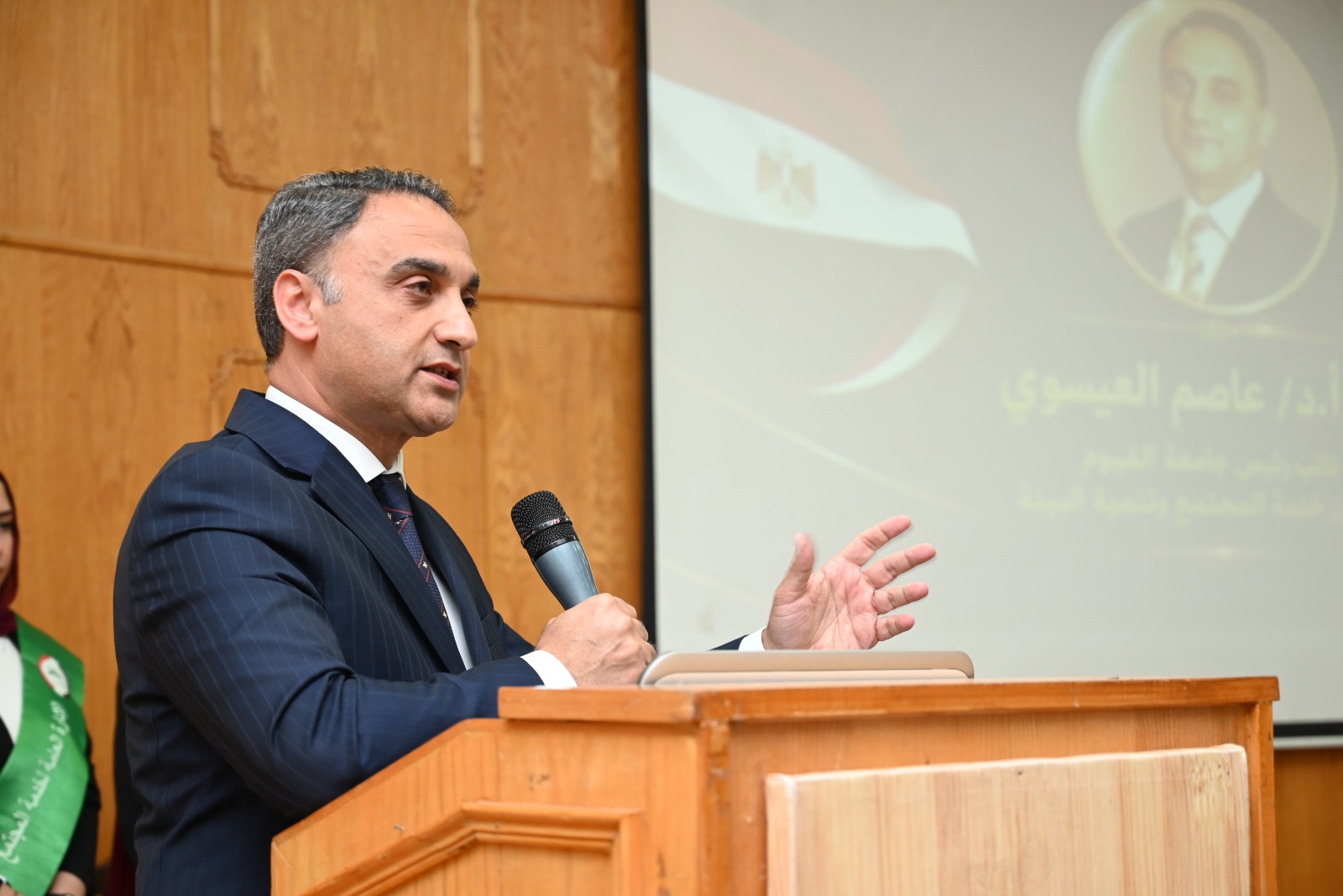
For his
part, Prof. Assem El-Essawy noted that the achievements of the past period
represented more than just a series of events and activities; they were a
tangible manifestation of Fayoum University’s mandate to serve the community
and strengthen bridges of communication and cooperation with its various
segments and institutions. He explained that the university’s community service
and environmental development sector focuses primarily on addressing the issues
and needs of the local community. These efforts aim to raise awareness, support
development, and foster social responsibility, grounded in the belief that the
university’s role extends beyond education and scientific research to encompass
active partnership in human development and service to the nation.
He
noted that the conclusion of these activities does not mark the end of this
journey of contribution; rather, it opens a new chapter of work and
development—one characterized by the continuation of community initiatives, the
expansion of cooperation and partnerships, and the achievement of a more
sustainable impact on society.
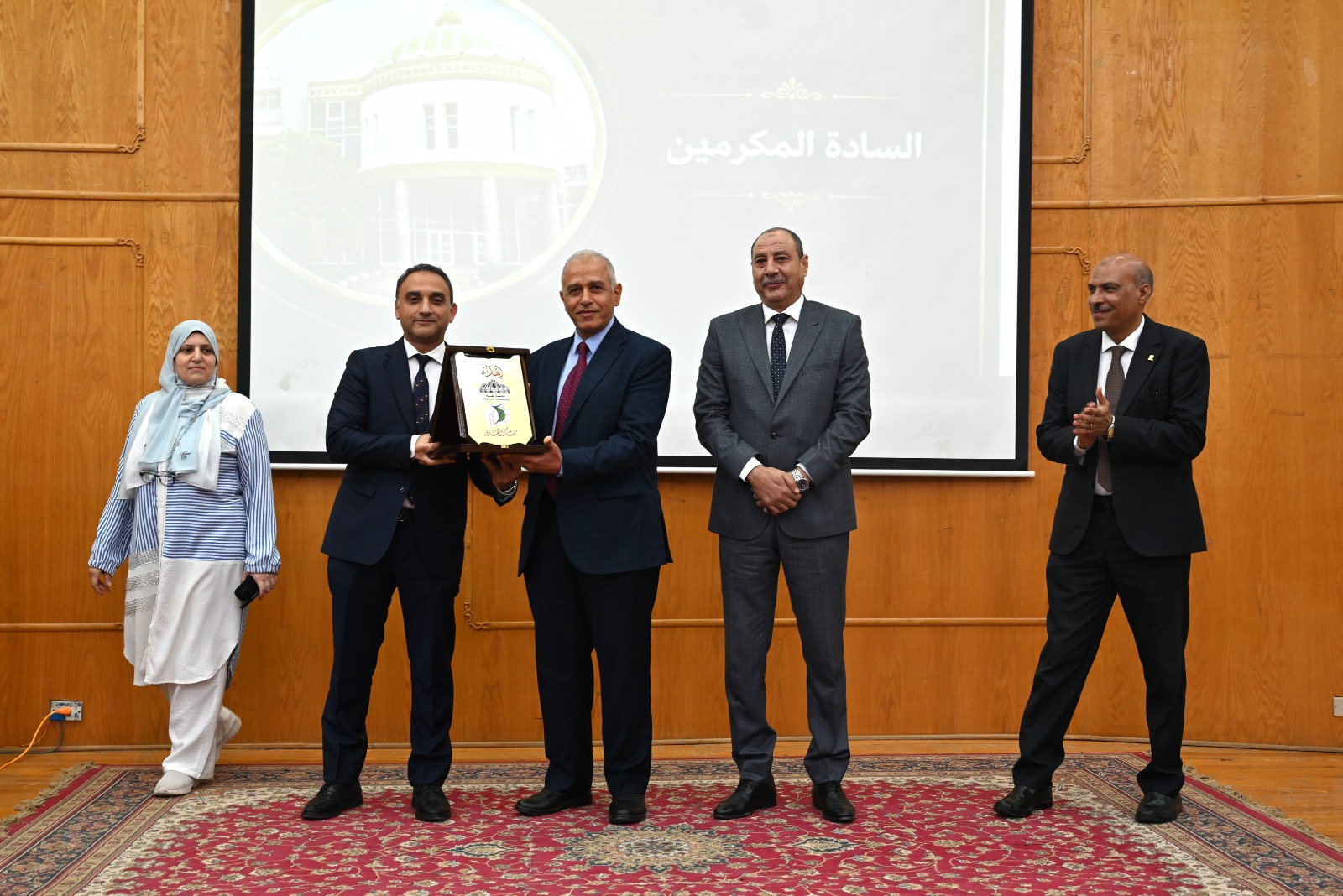
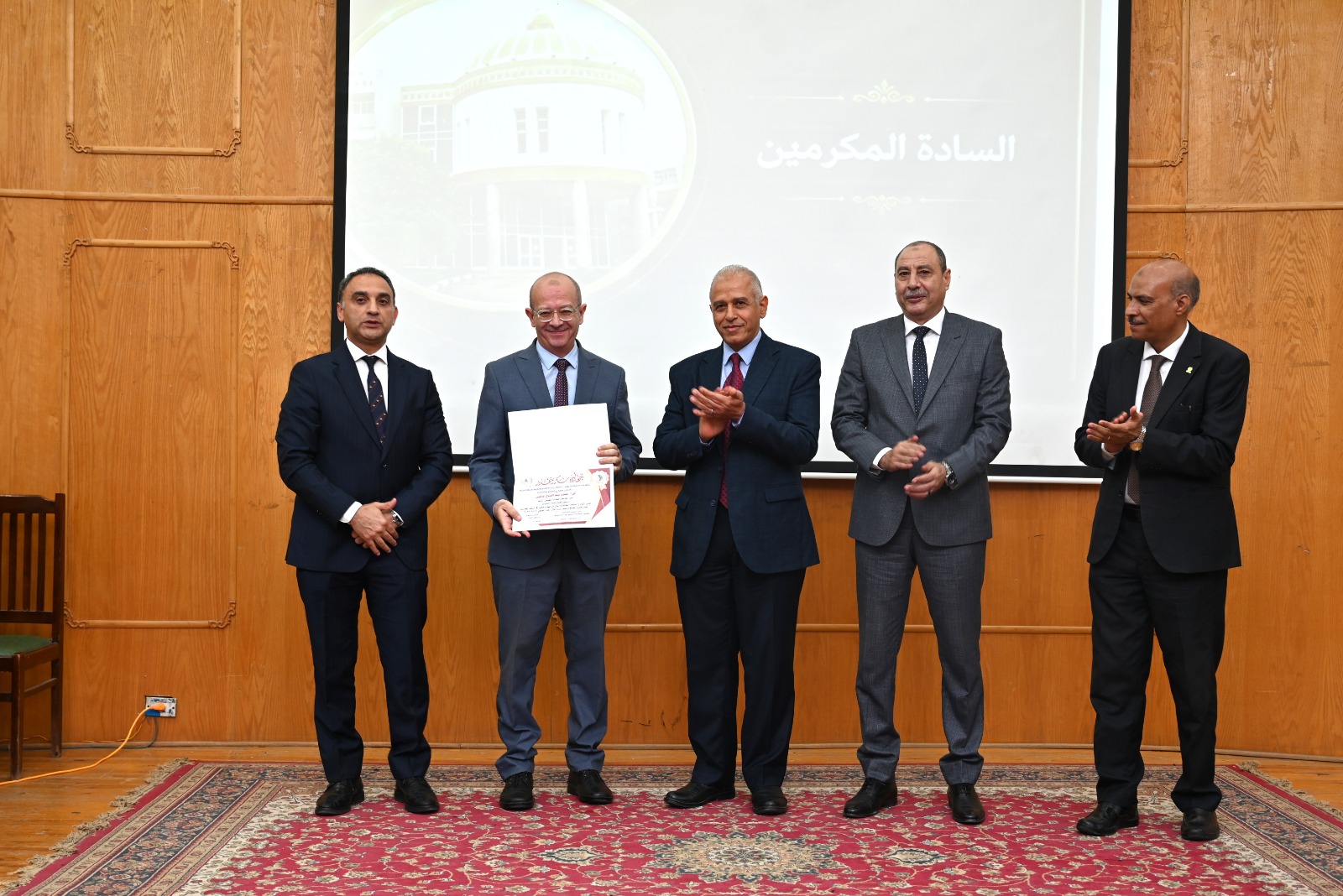
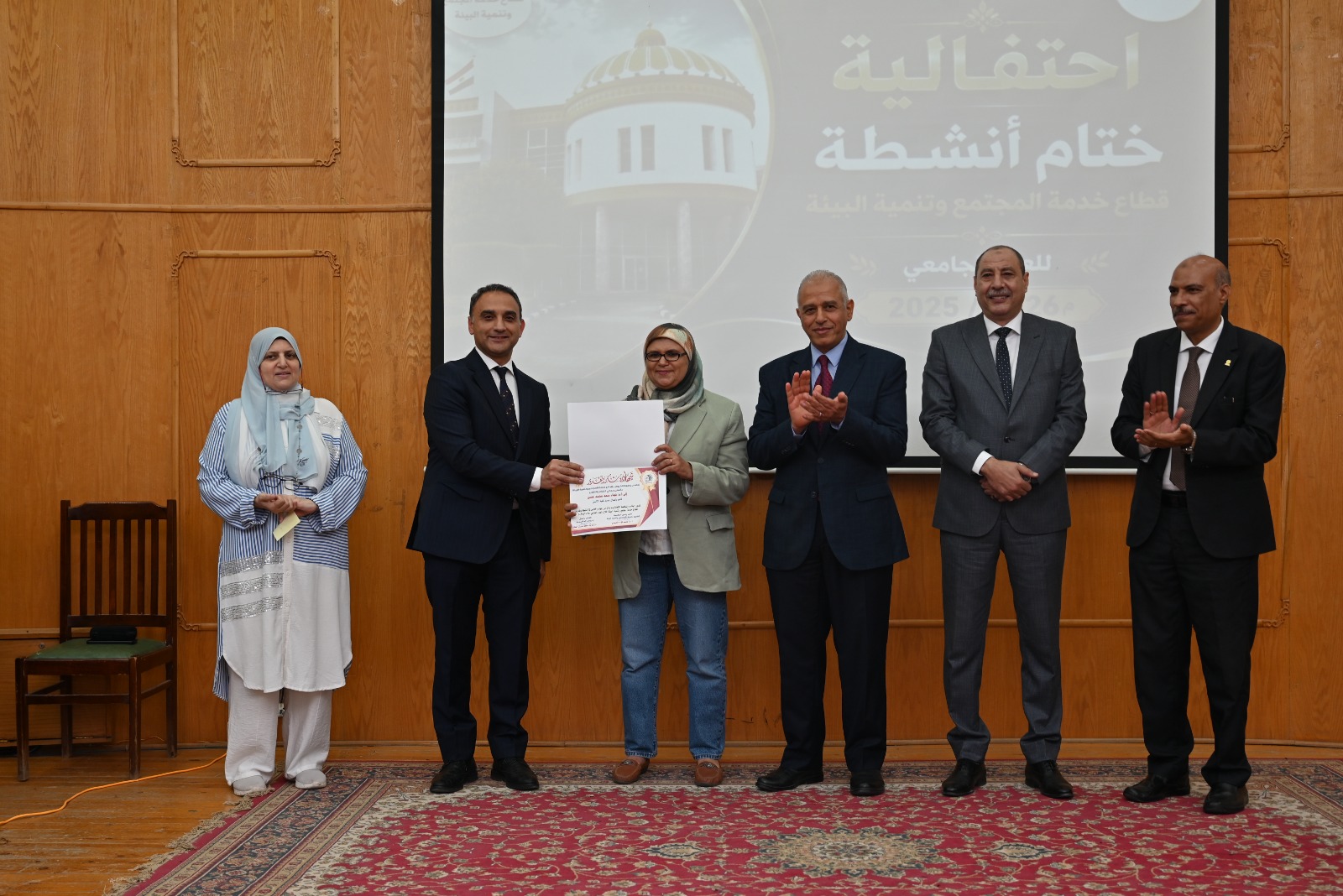
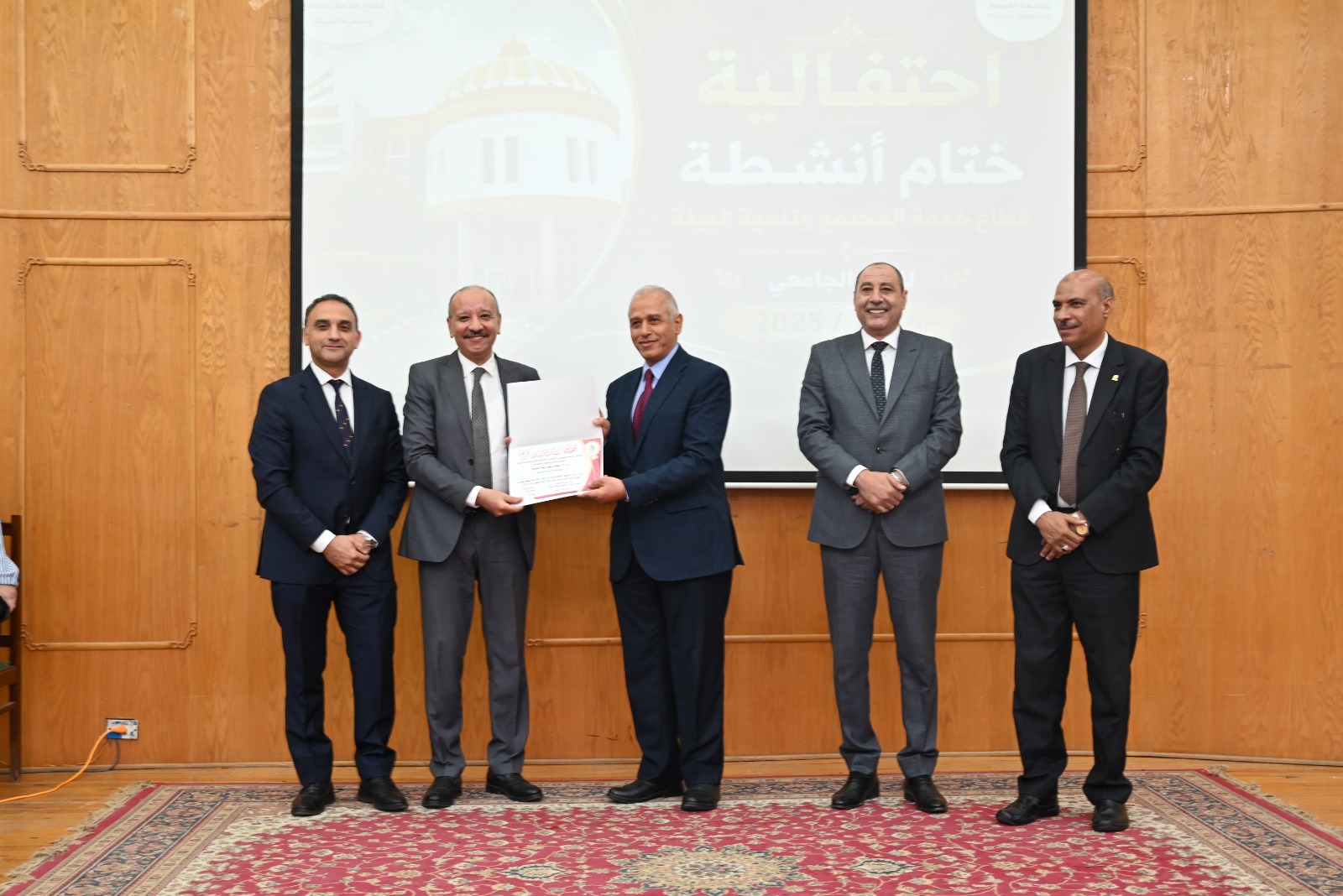
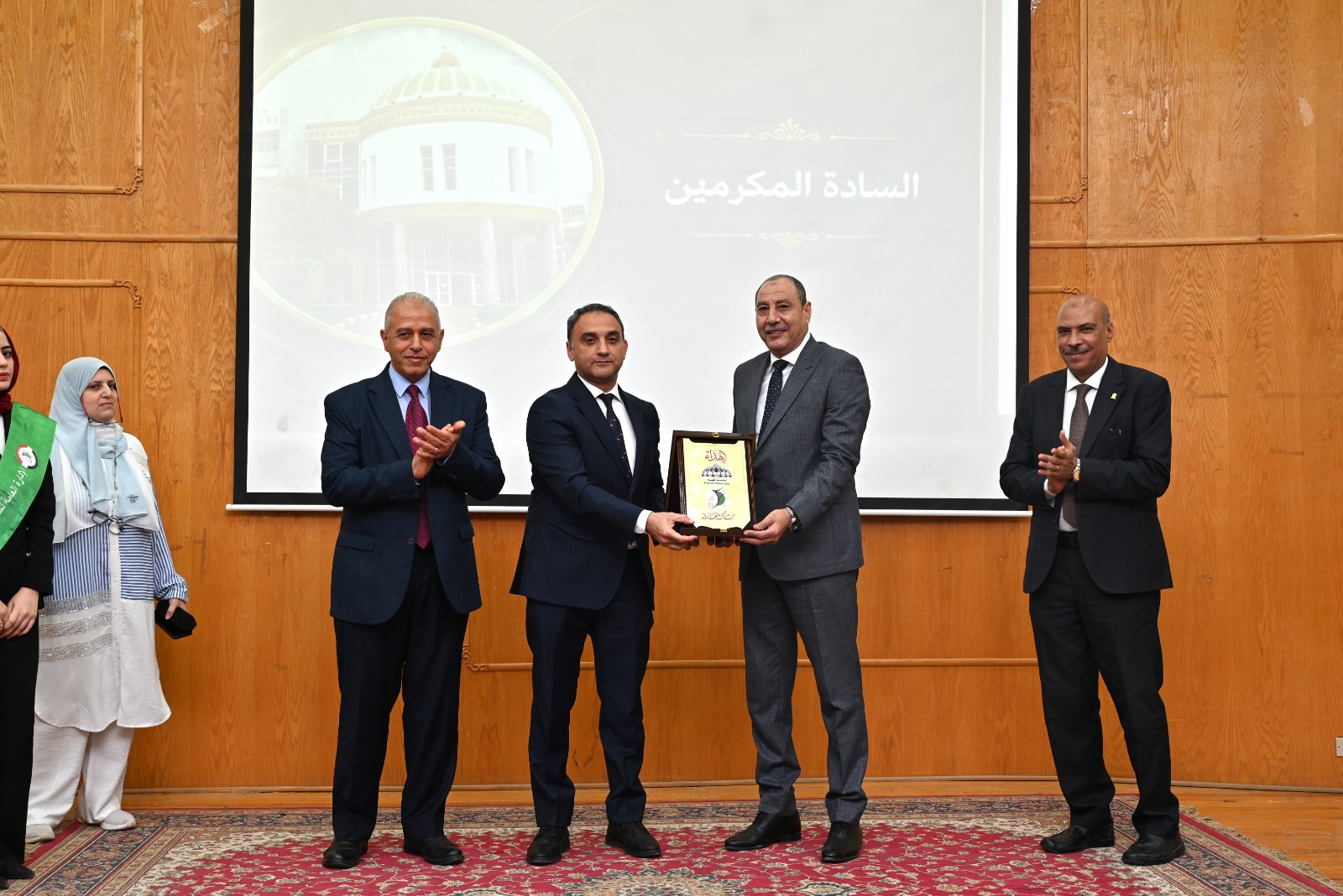
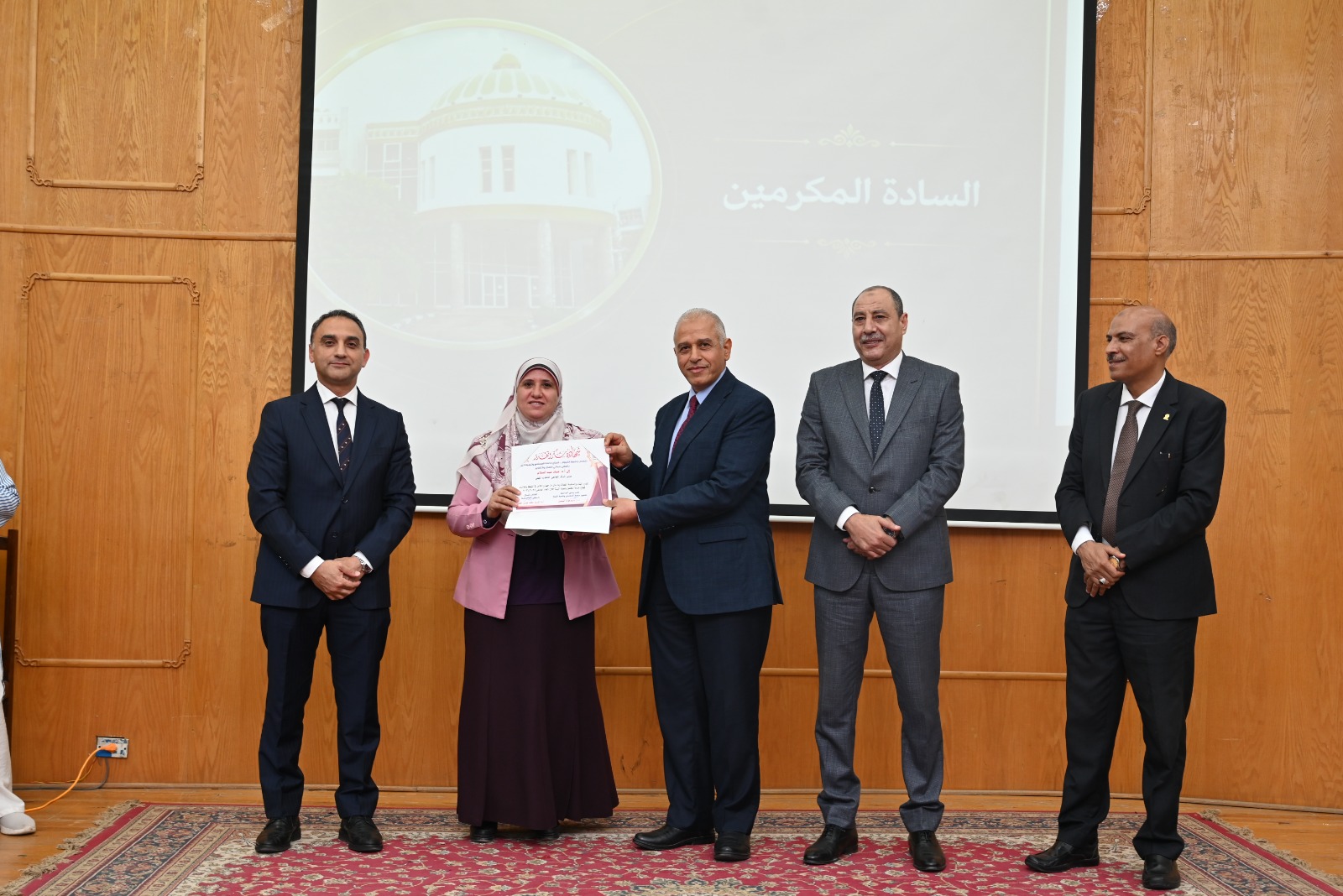
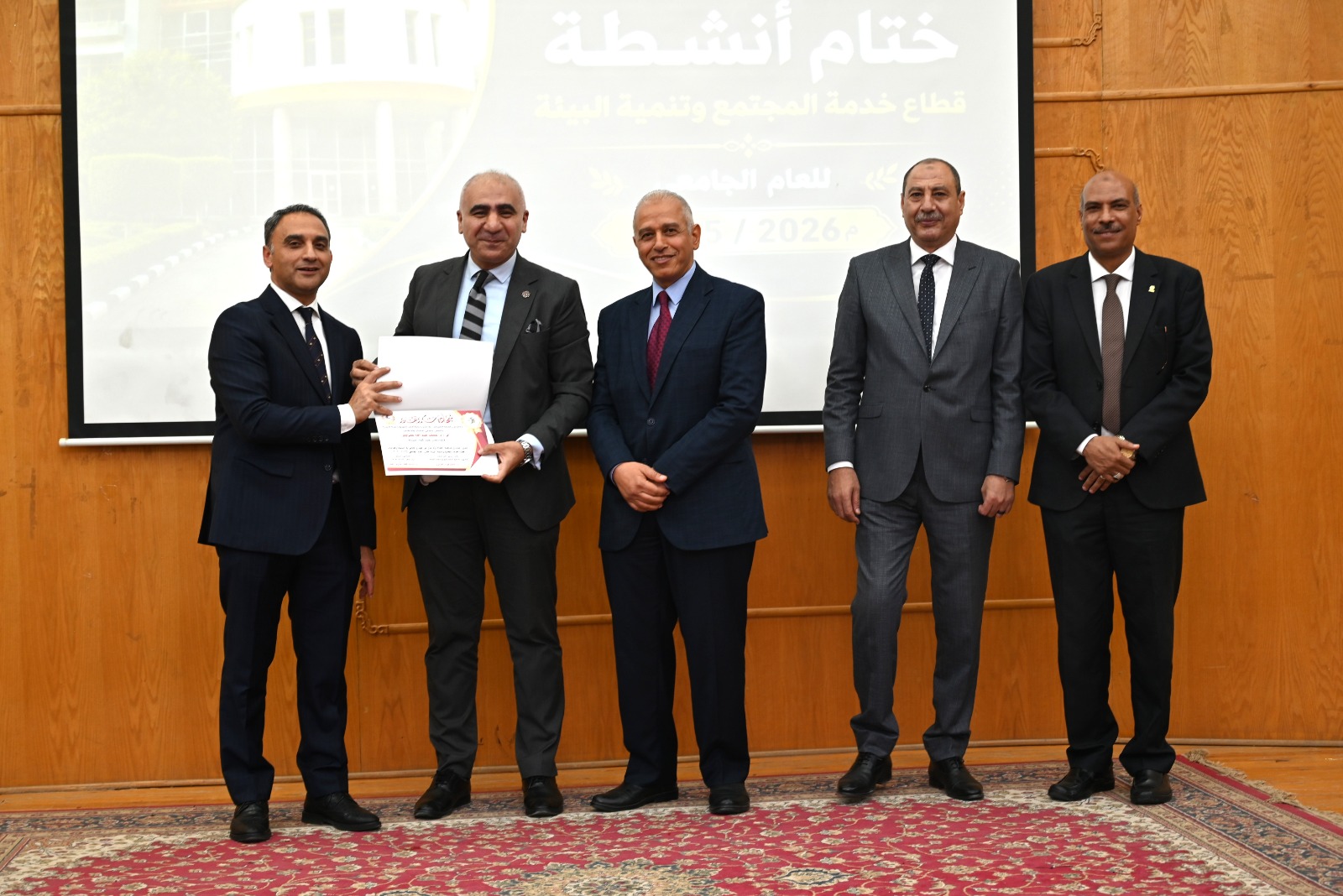
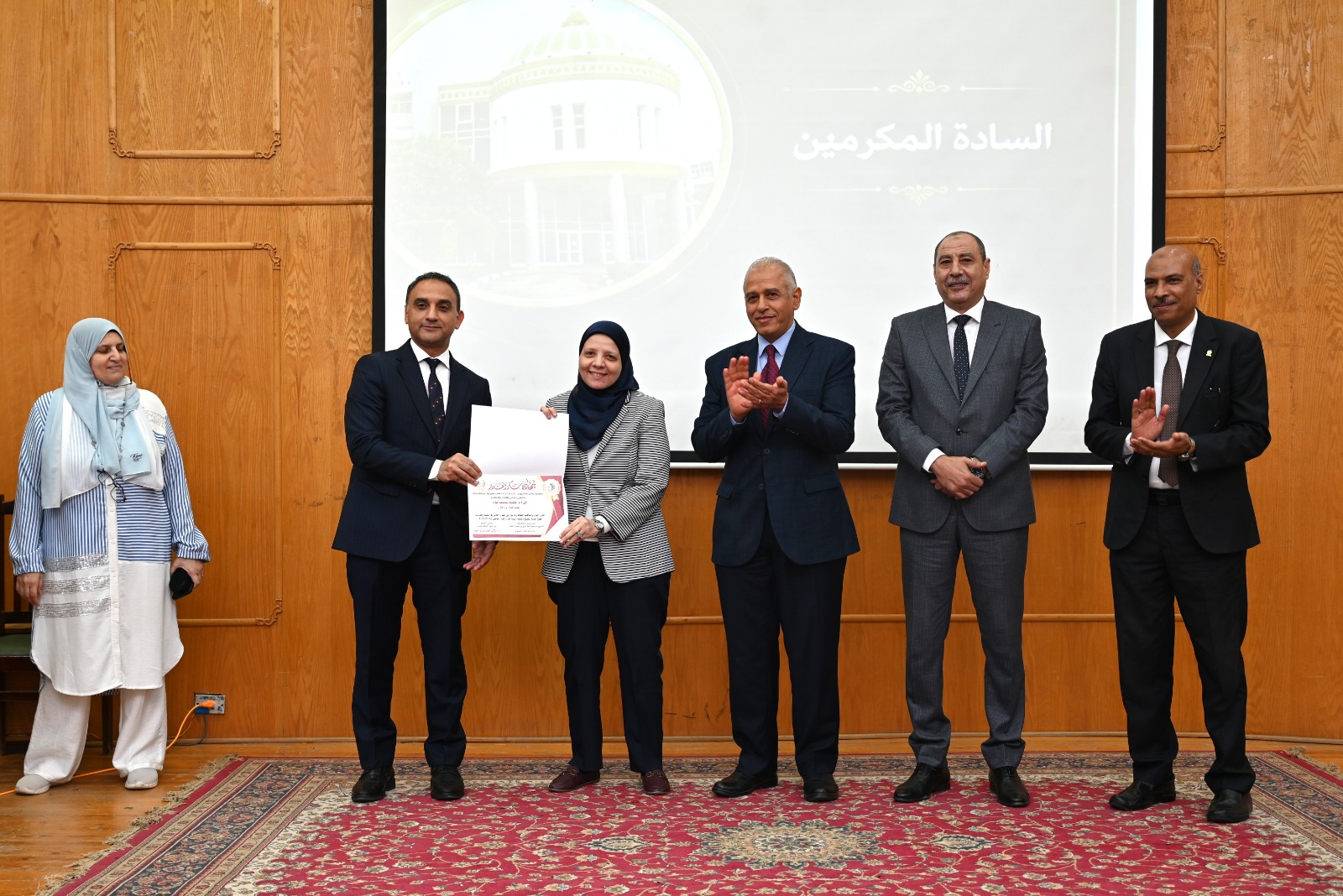
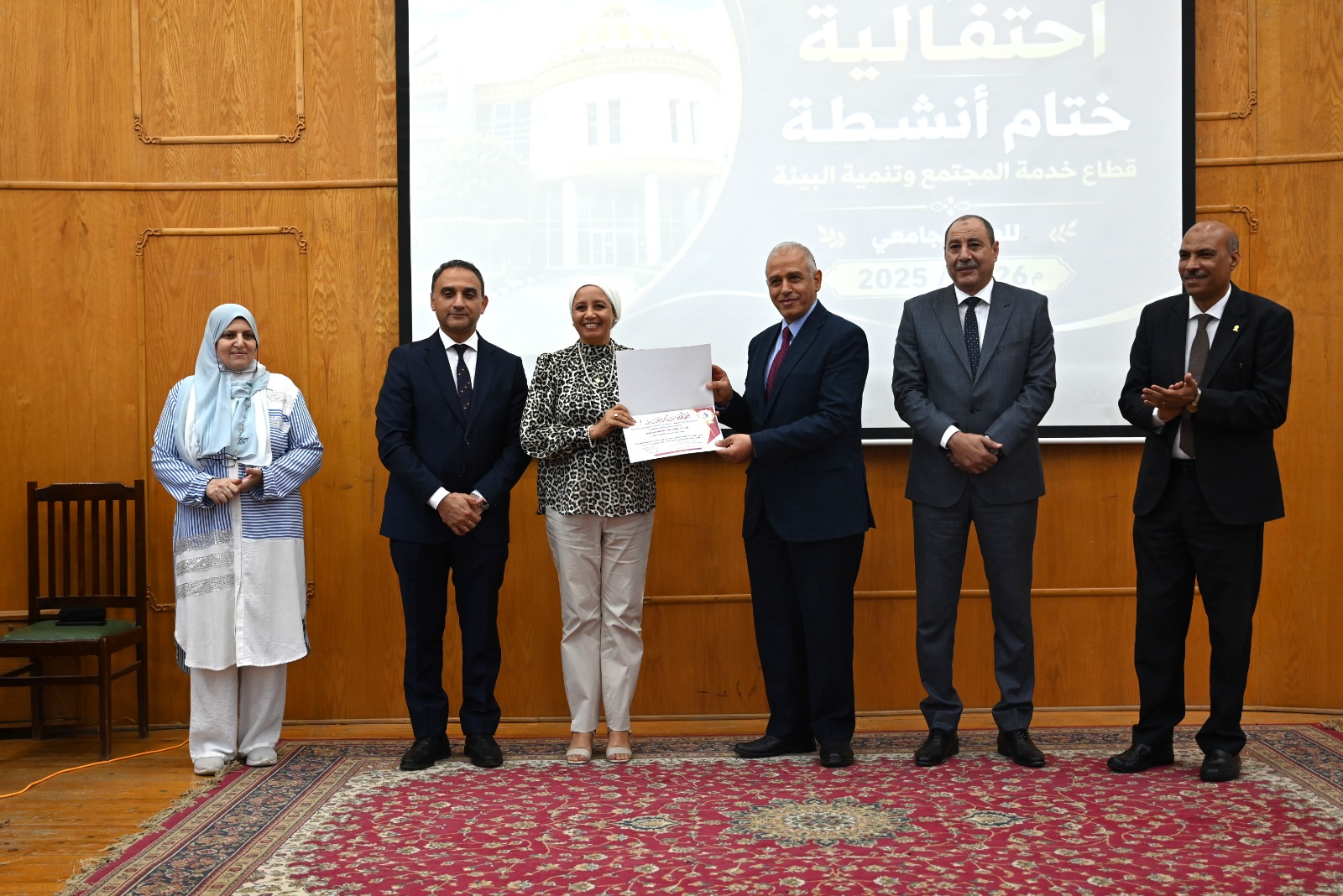
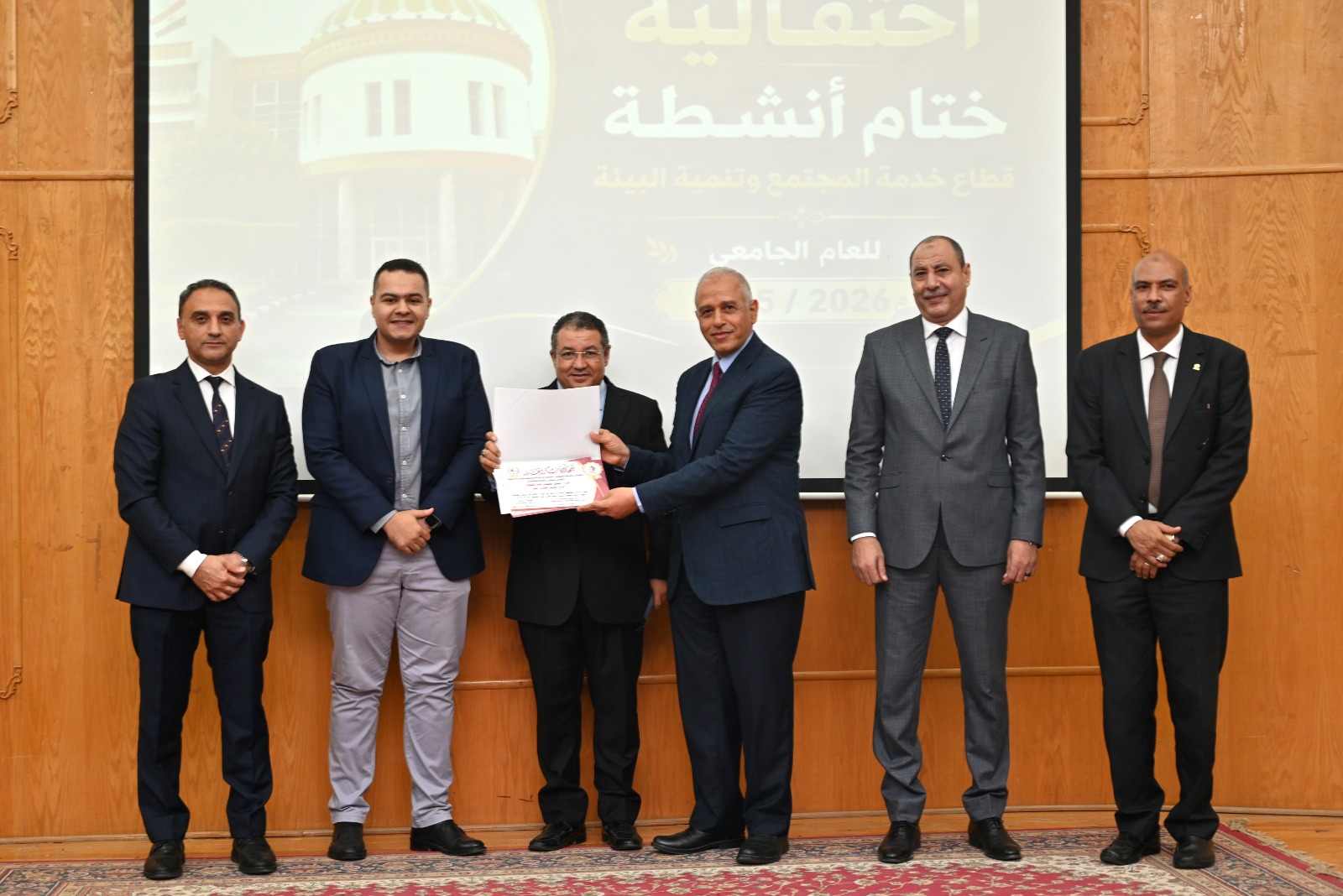
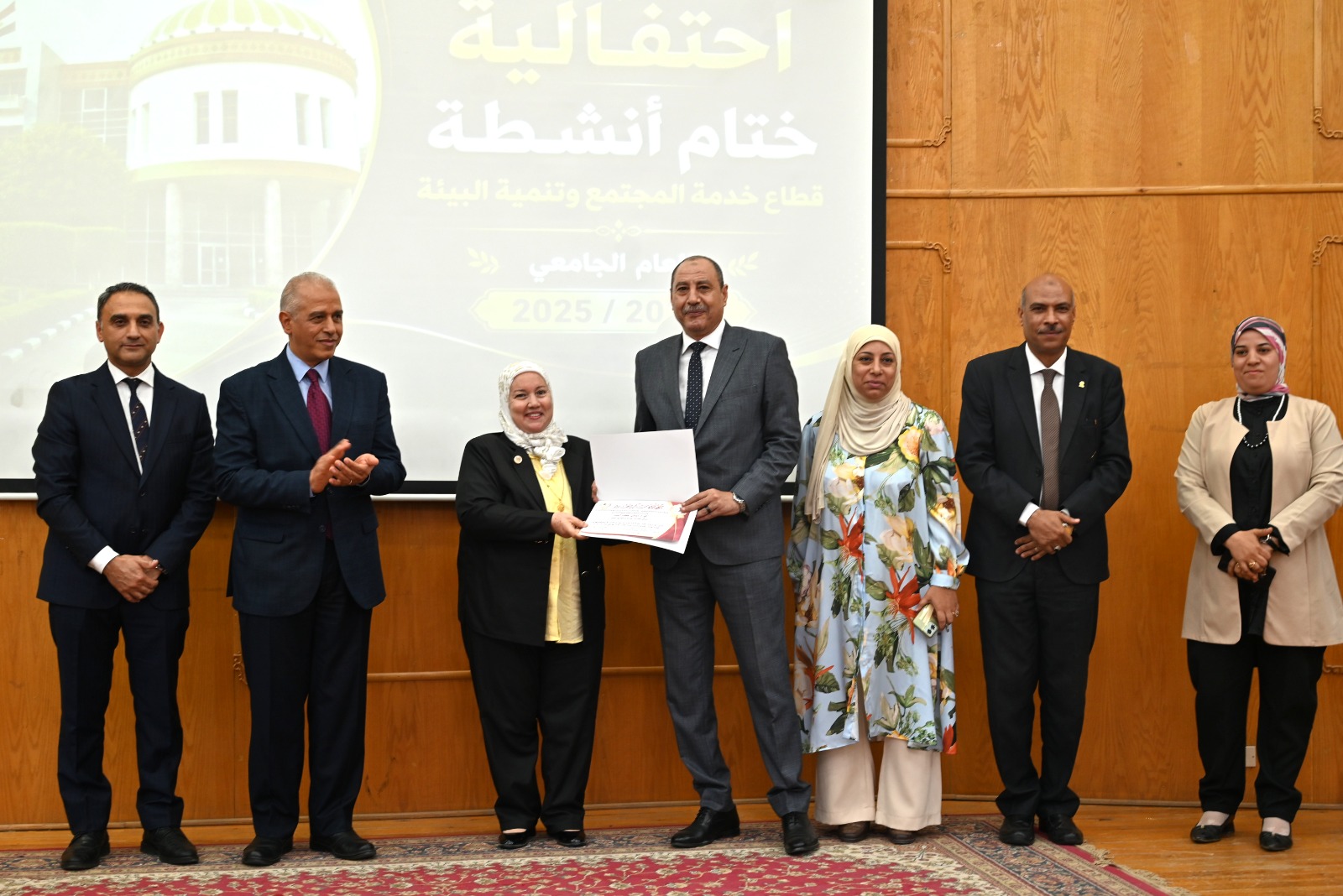
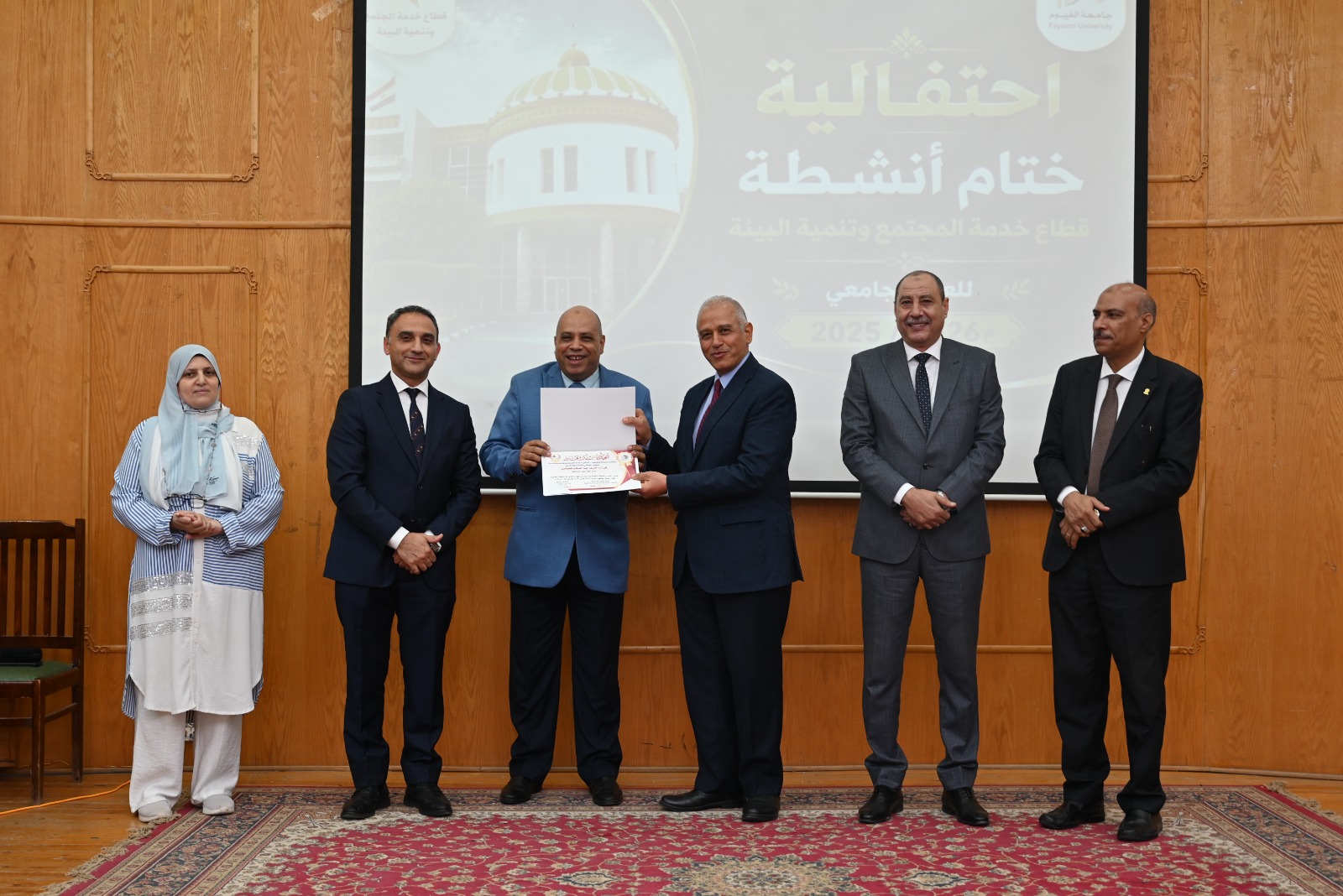
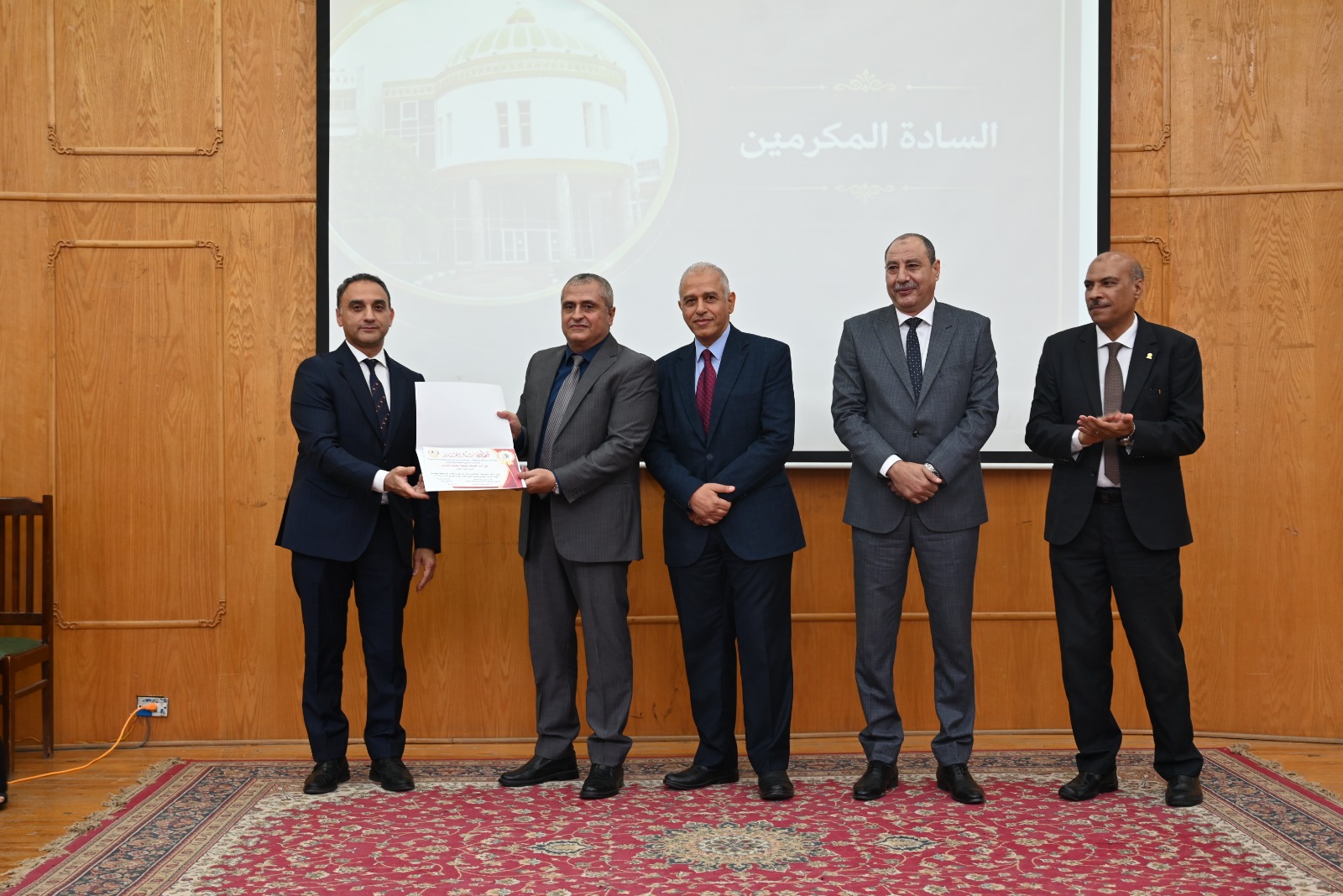
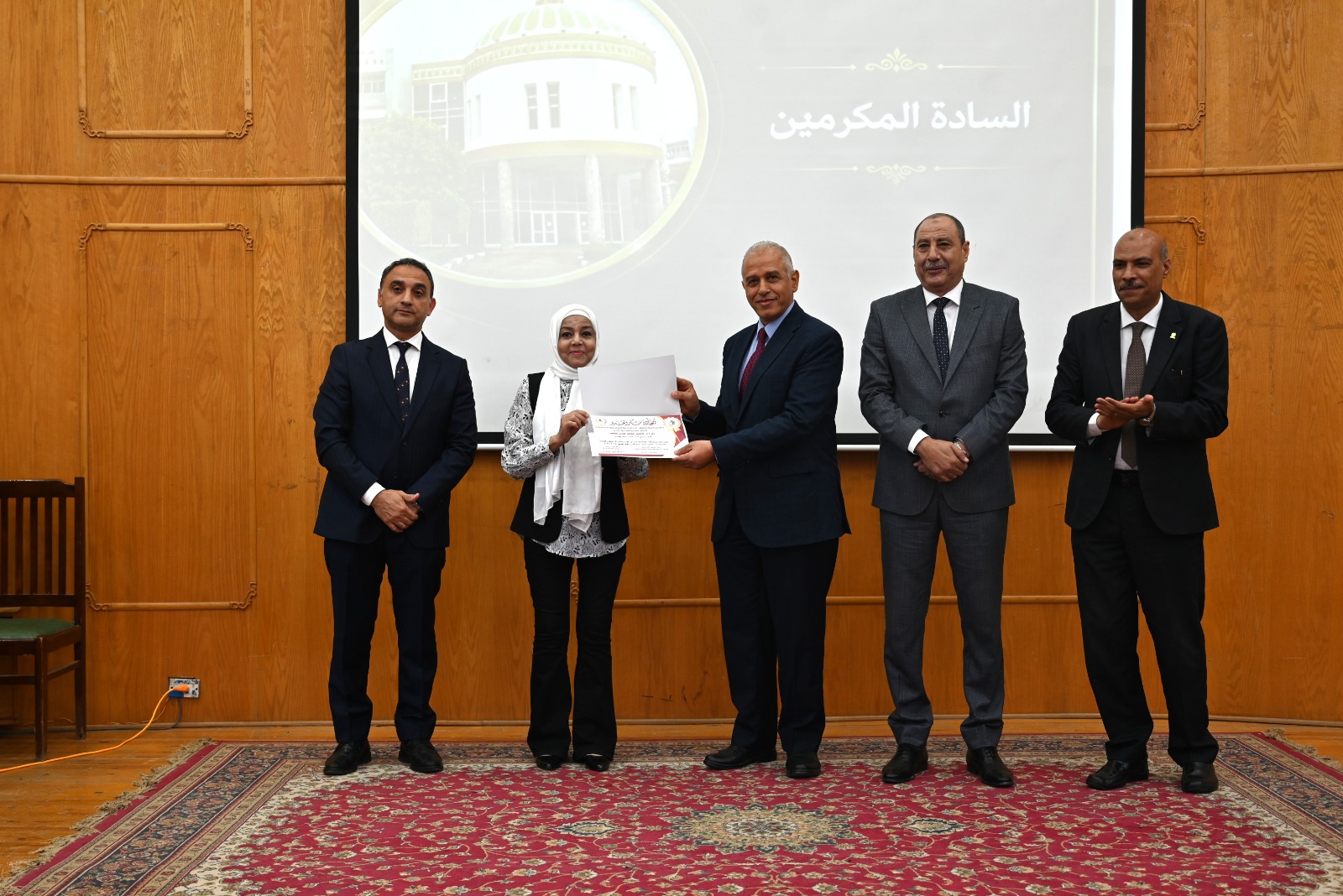
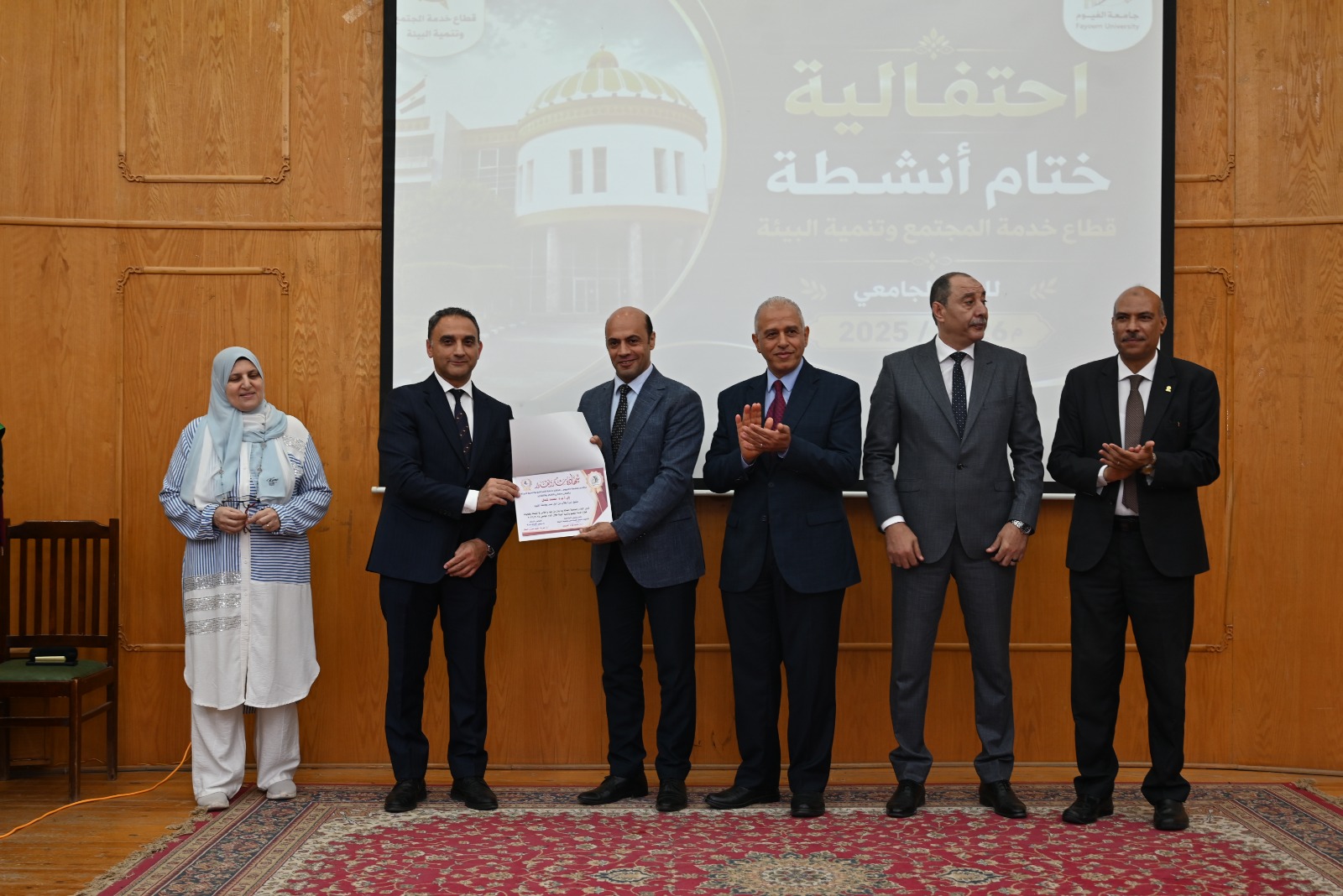
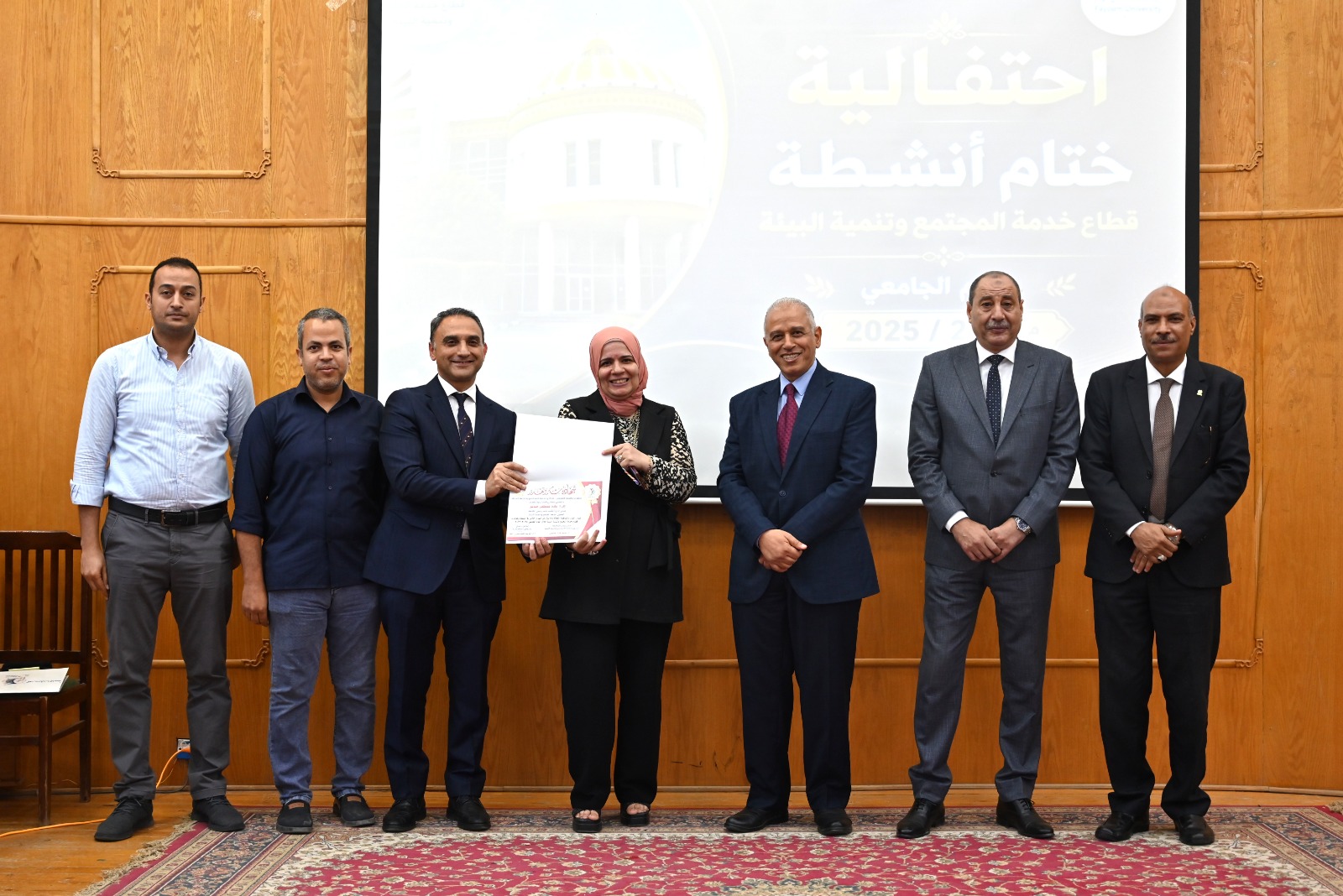
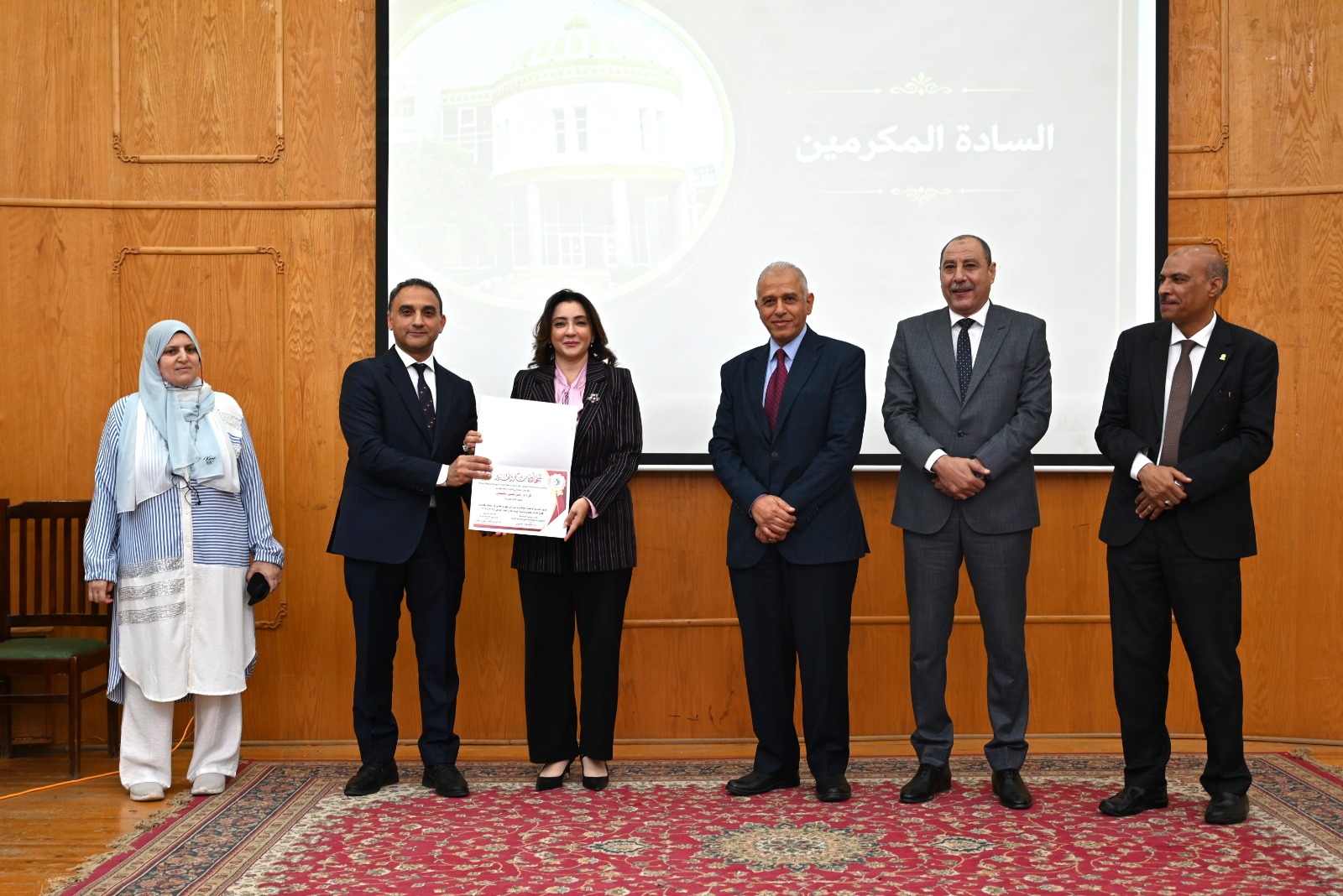
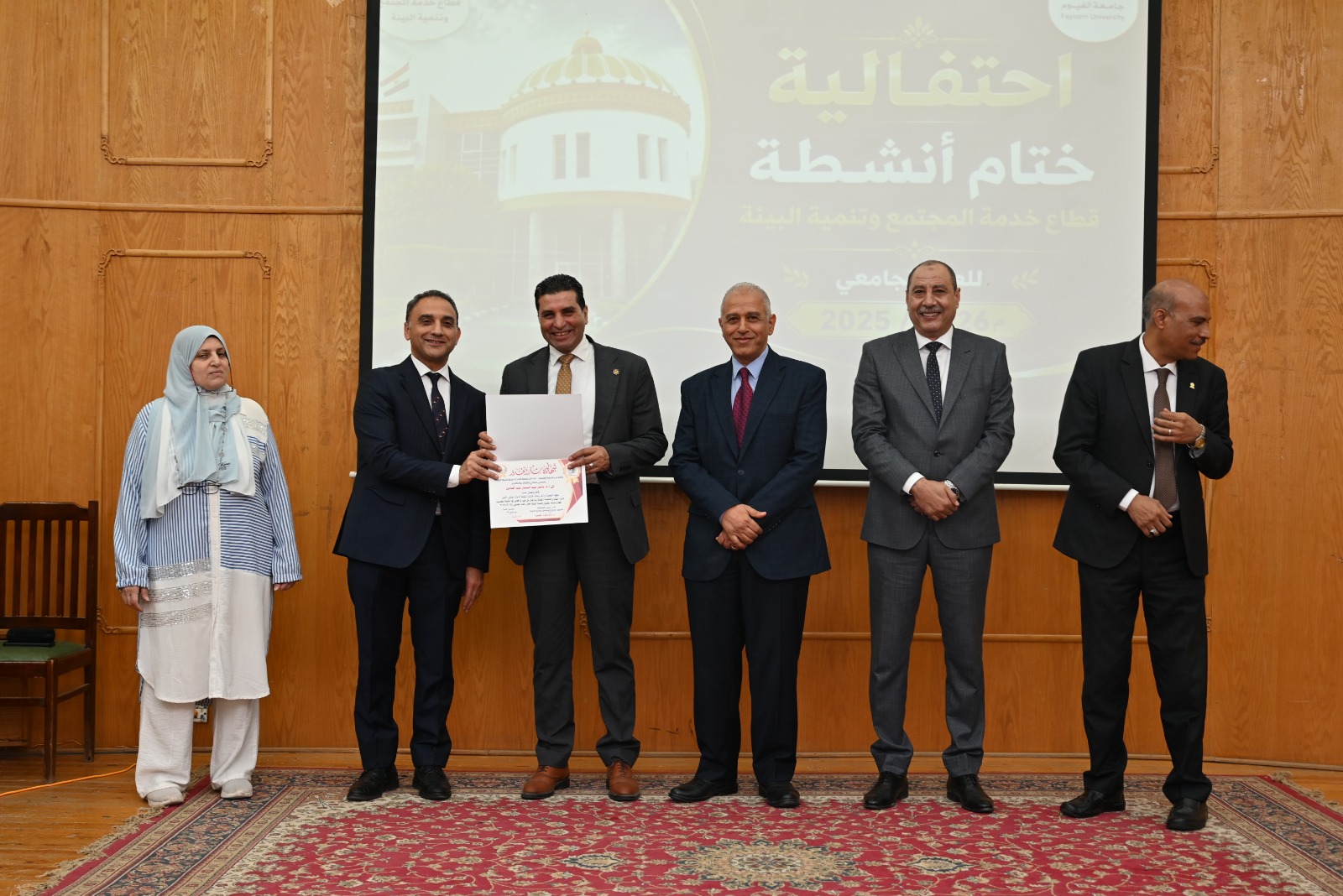
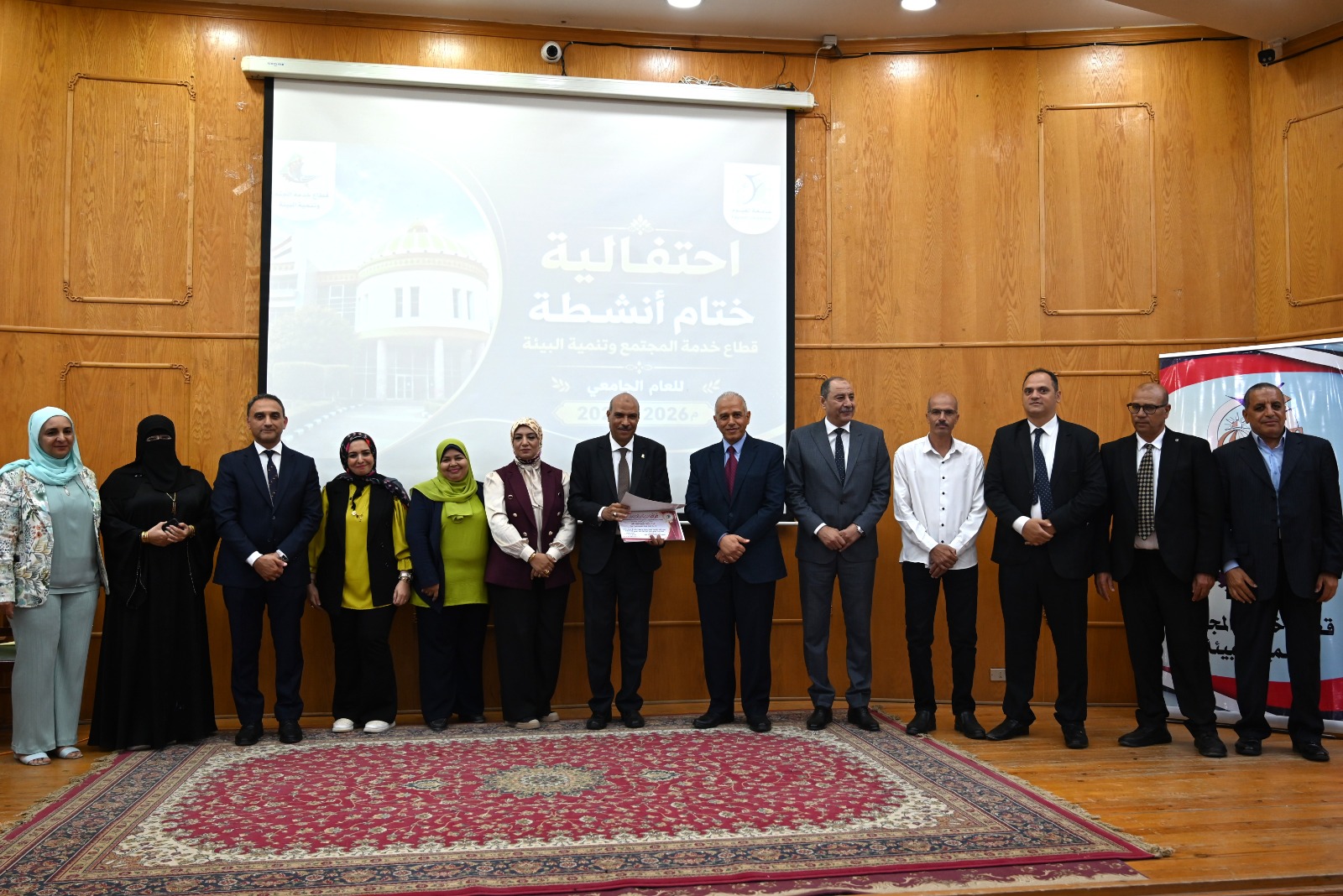
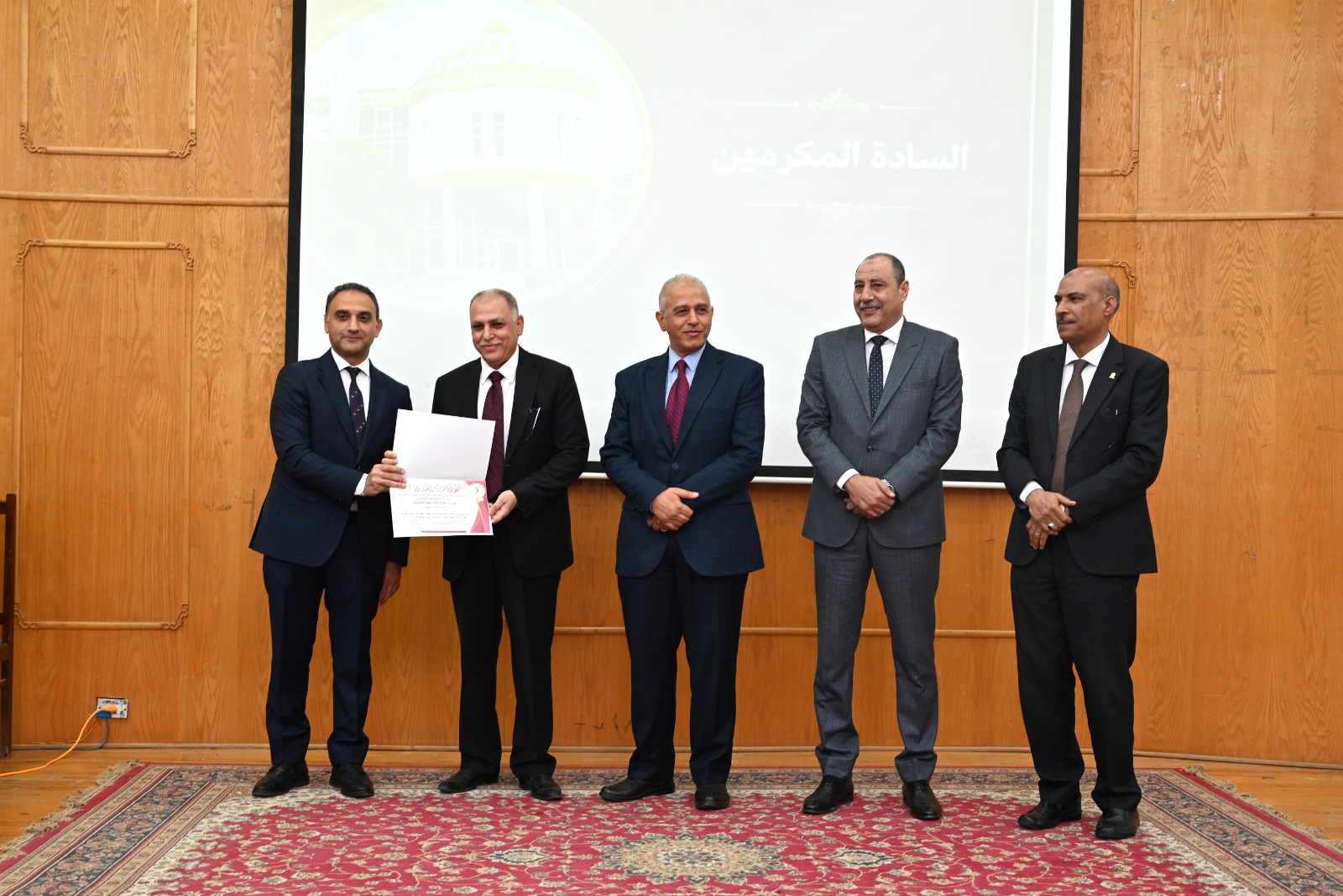
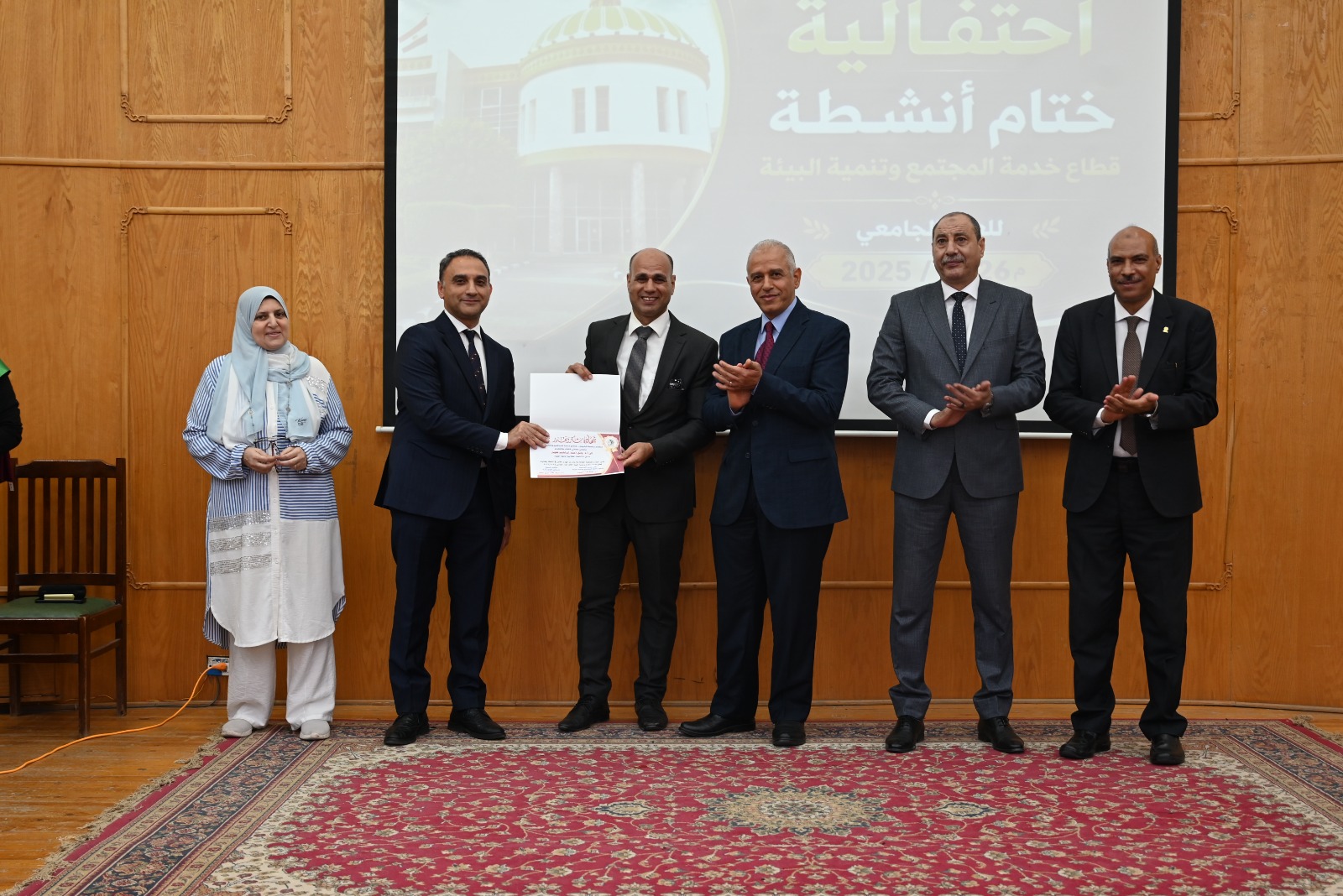
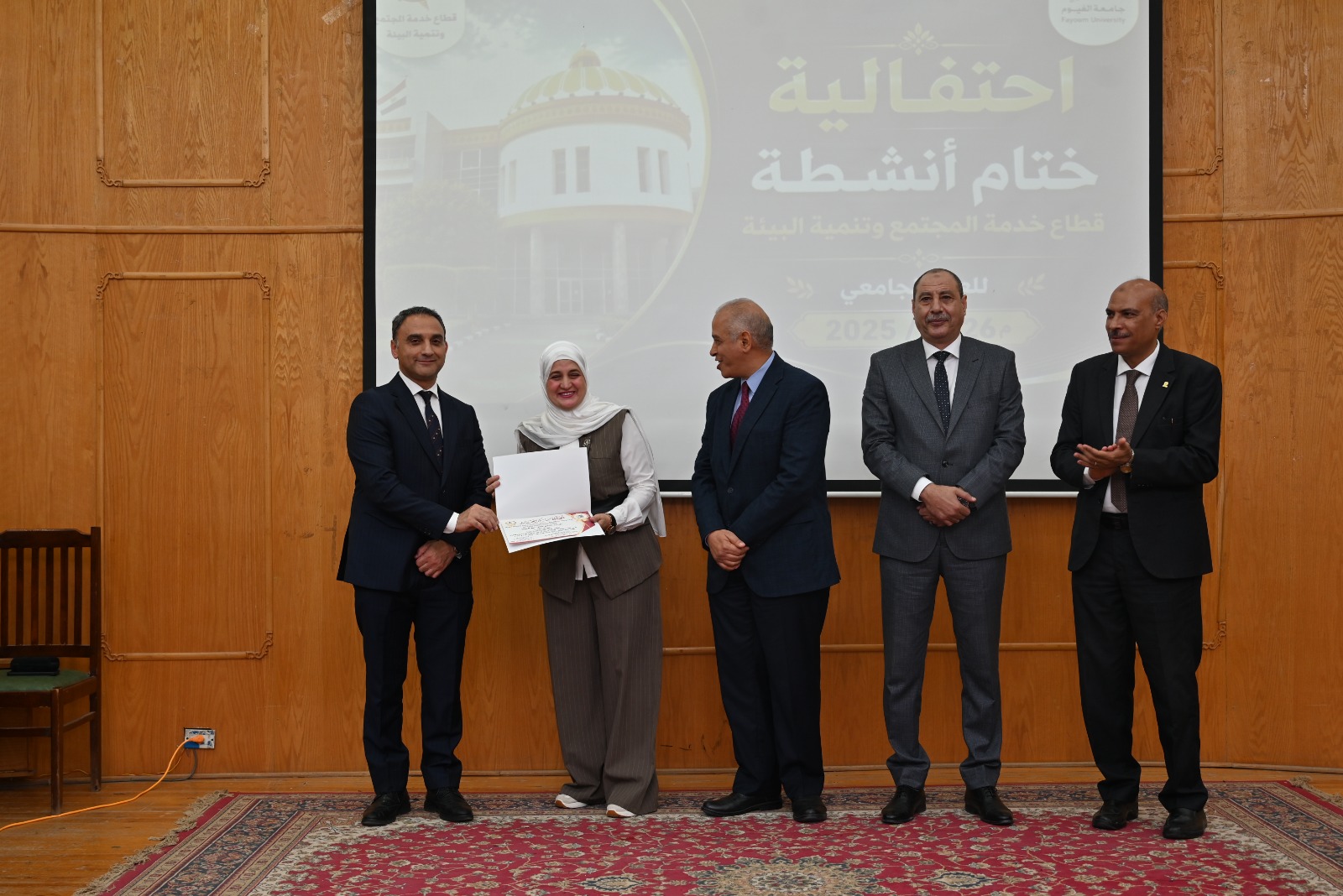
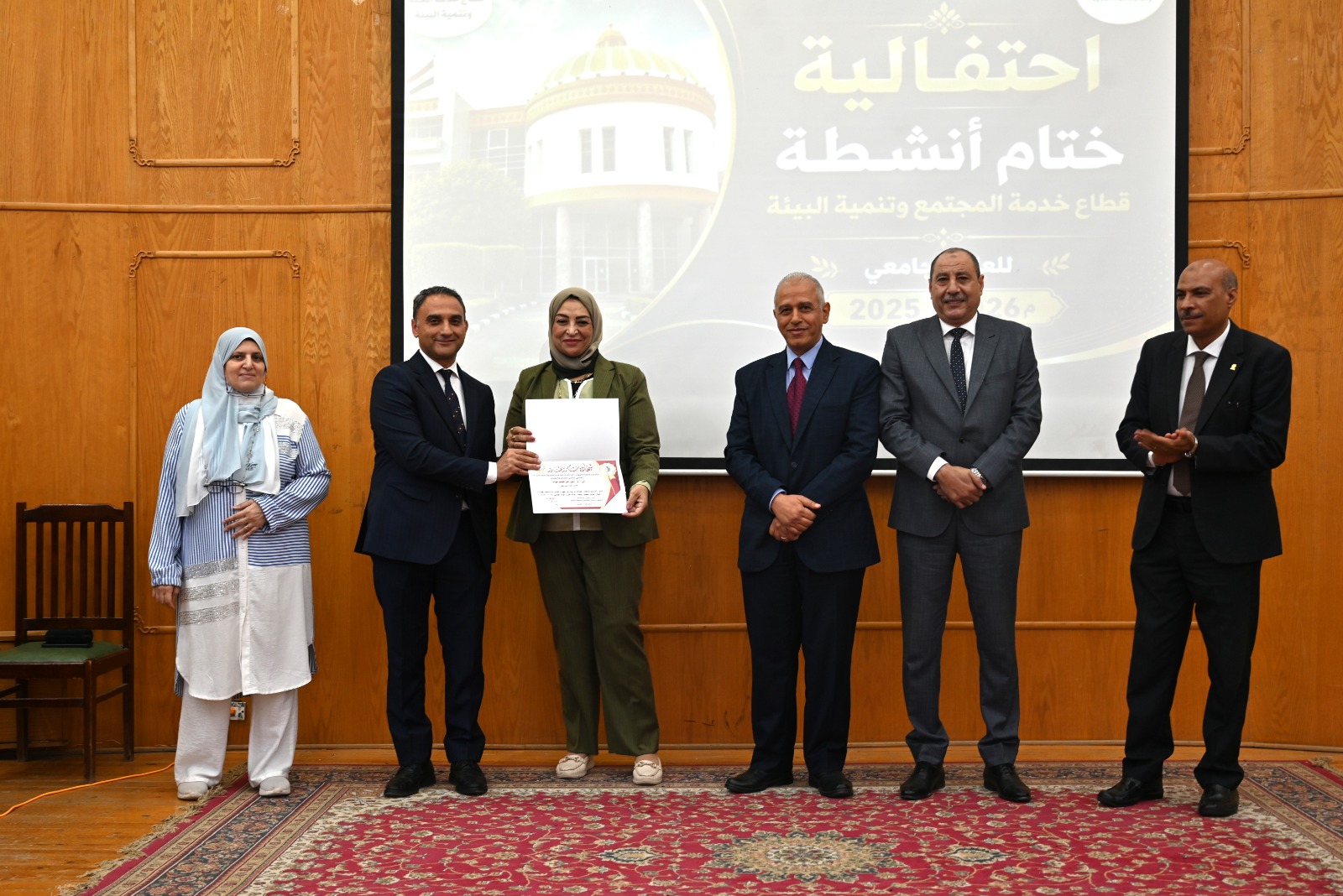
At the conclusion of the ceremony,
certificates of appreciation were presented to the honorees.