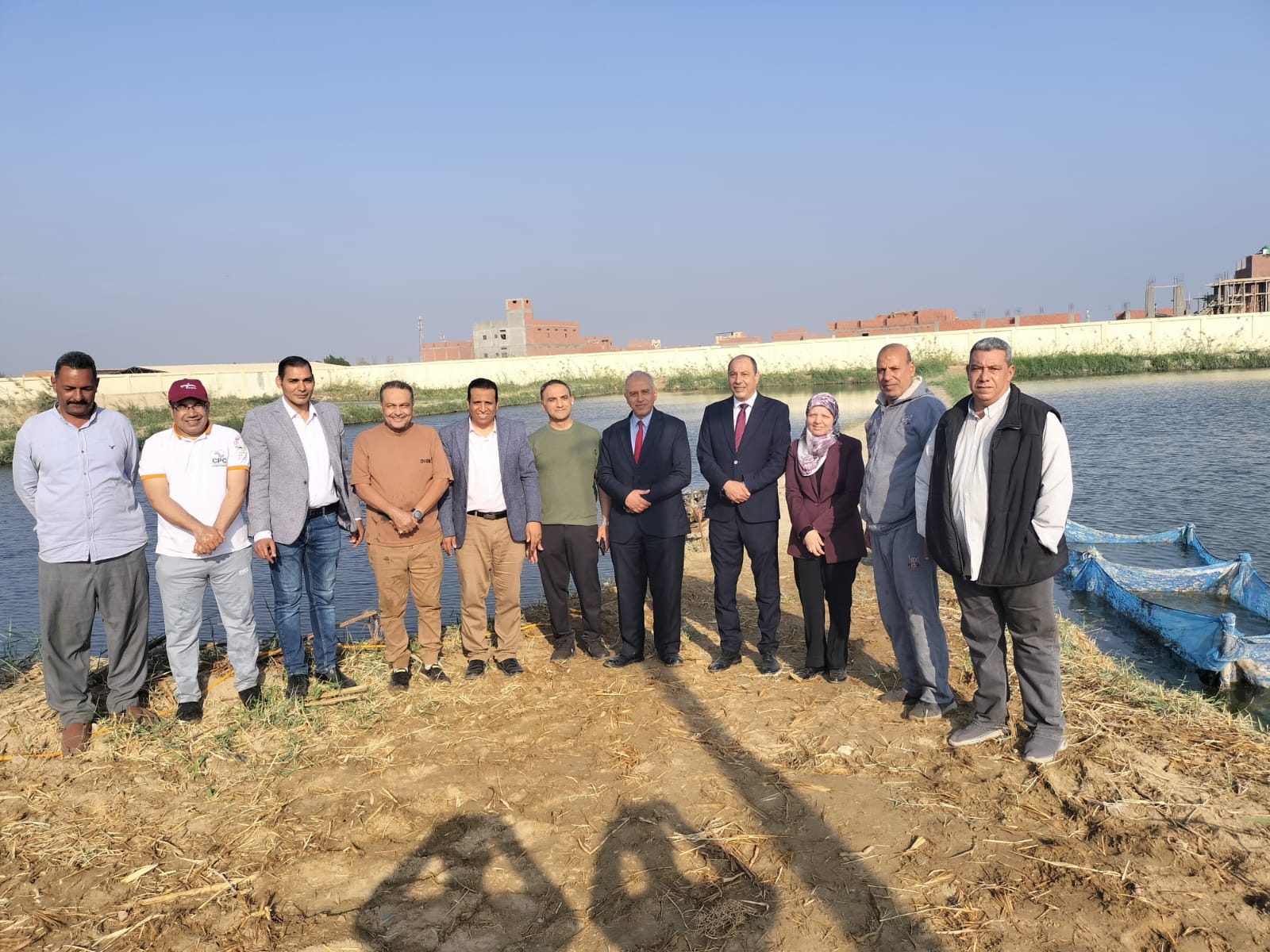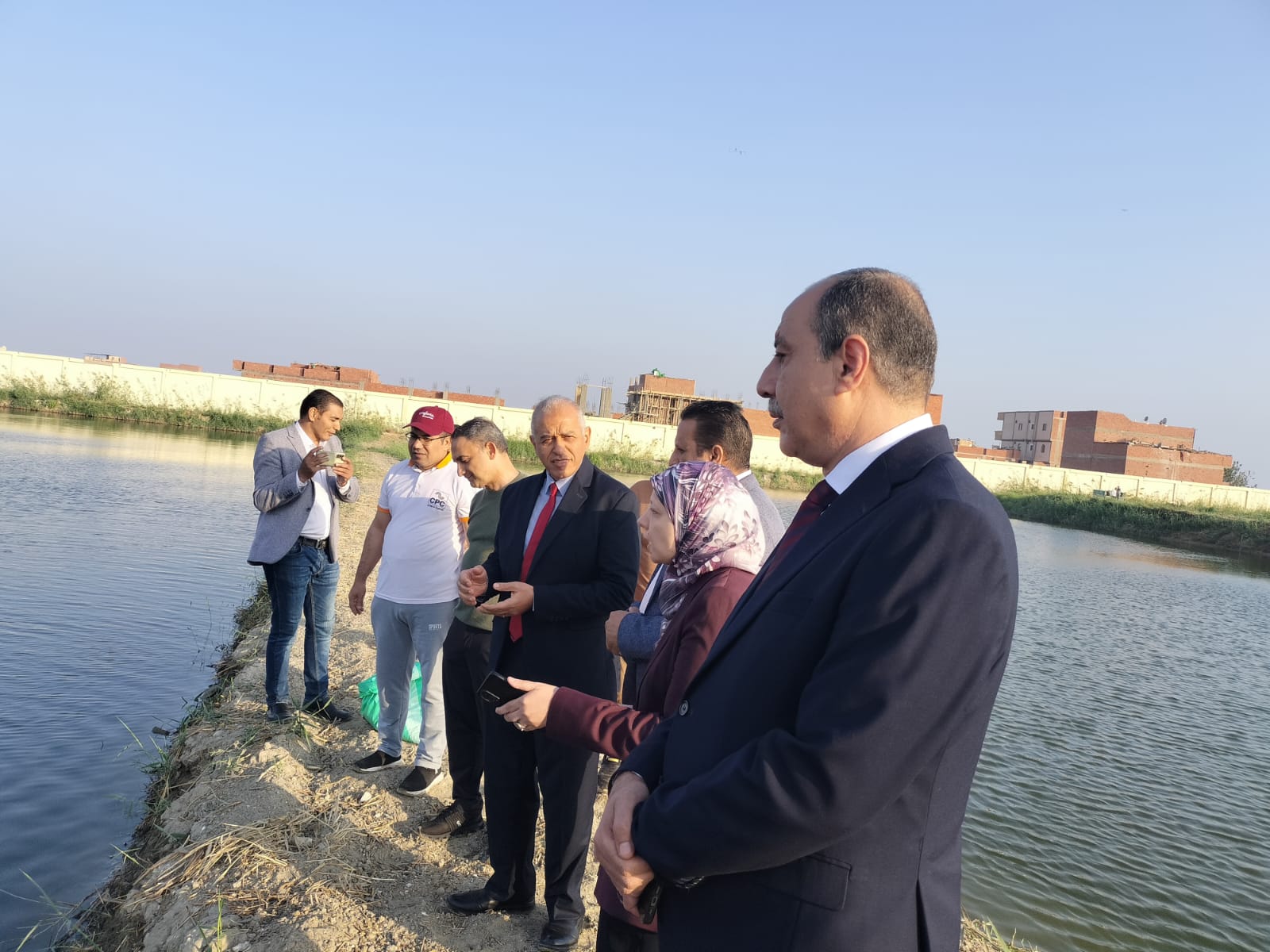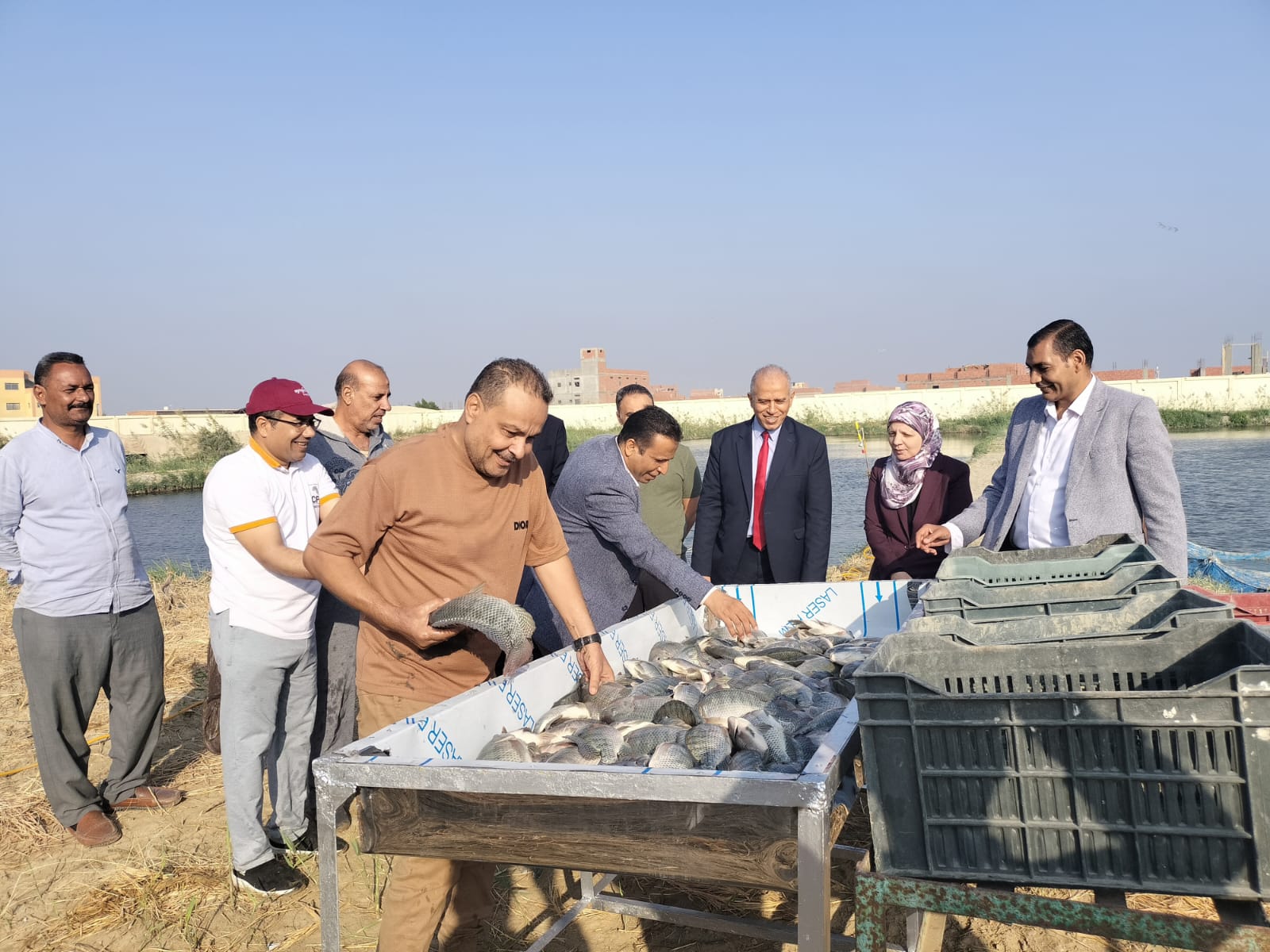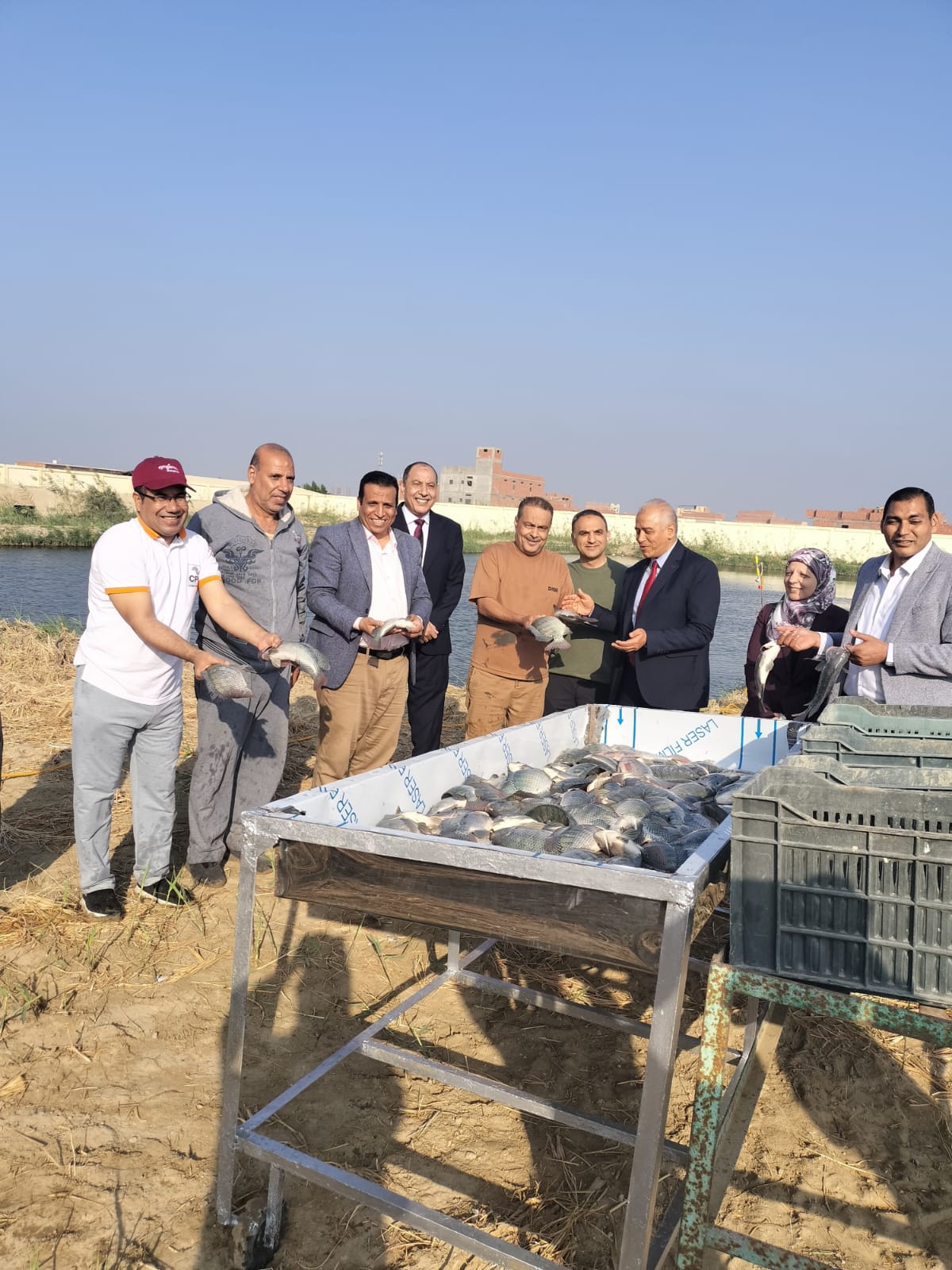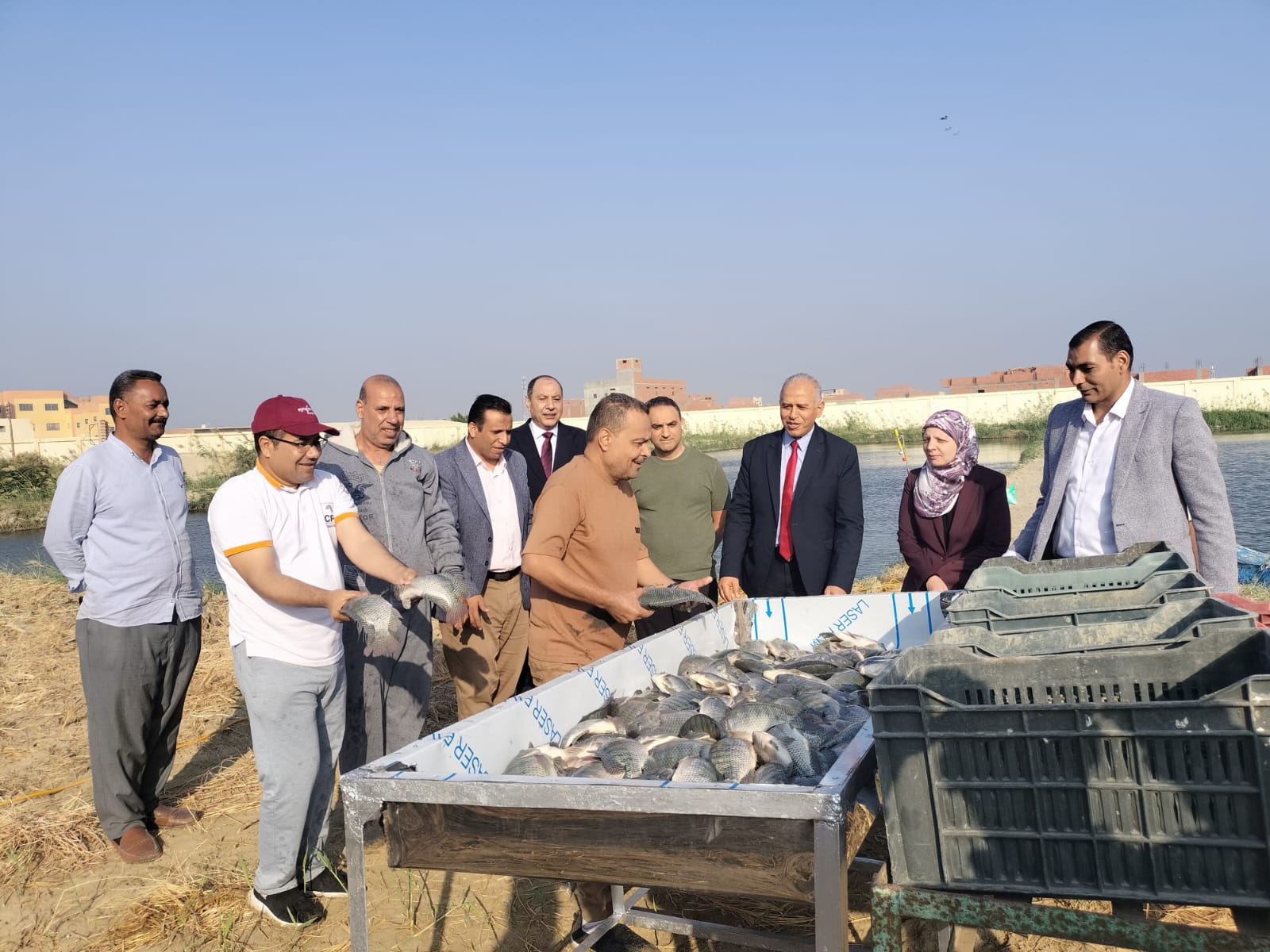

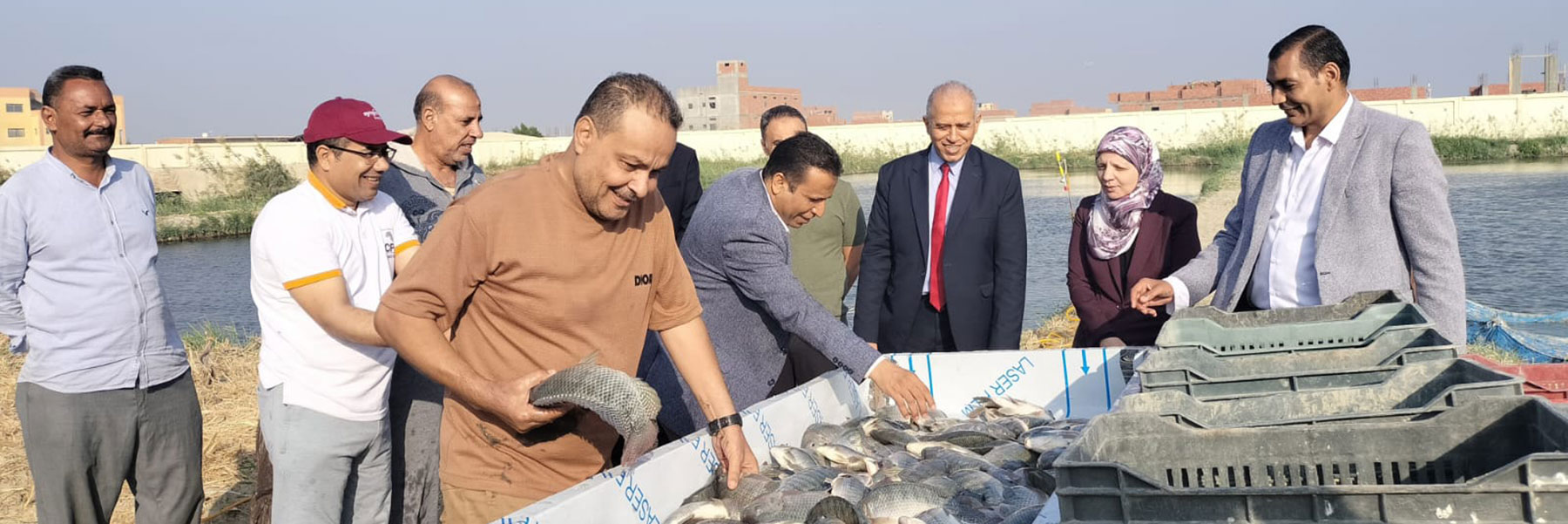
Prof. Sherif Mohamed Sabry
El-Attar, Acting President of Fayoum University and Vice President for
Education and Student Affairs, along with Prof. Assem Fouad El-Essawy, Vice
President for Community Service and Environmental Development, oversaw the
commencement of the fish harvesting season at the fish farms affiliated with
the Agricultural Experiments and Research Center at the Faculty of Agriculture.
The event, held today, Sunday,
October 25, 2026, was attended by Prof. Bouthaina Youssef Zidan, Dean of the
Faculty of Agriculture; Mr. Ahmed Rashad, Secretary-General of the University;
Prof. Shaaban Saad El-Nasr, Vice Dean for Community Service and Environmental
Development; Prof. Ahmed Imam, Director of the Agricultural Experiments and
Research Center; Dr. Abdel Wahab Mohamed, Supervisor of the Faculty’s fish
farm; and faculty members Prof. Ramadan Abu Zeid and Dr. Mohamed Fathy.
The launch of the harvesting
season reflects Fayoum University’s commitment to supporting educational,
research, and productive projects. It aims to maximize the utilization of
available resources and capabilities, thereby contributing to the advancement
of the aquaculture system and the development of the university’s
self-generated resources. This initiative is part of broader efforts to bolster
and enhance educational, research, and productive activities within the fish
farms, ensuring the optimal use of existing assets. The commencement of the
fishing season serves as a culmination of the efforts made by the Center for
Agricultural Experiments and Research in managing and operating fish farms. It
reflects a commitment to developing production processes and enhancing their
efficiency, thereby reinforcing the Center’s role as research, applied, and
production-oriented facility affiliated with the Faculty of Agriculture.
Furthermore, this activity
underscores the dedication of the faculty’s administration and the Center for
Agricultural Experiments and Research to bridging the gap between scientific
research and practical application. It also highlights their support for
educational, research, and production projects that contribute to sustainable
development and strengthen the university’s role in serving the community and
fostering environmental development.