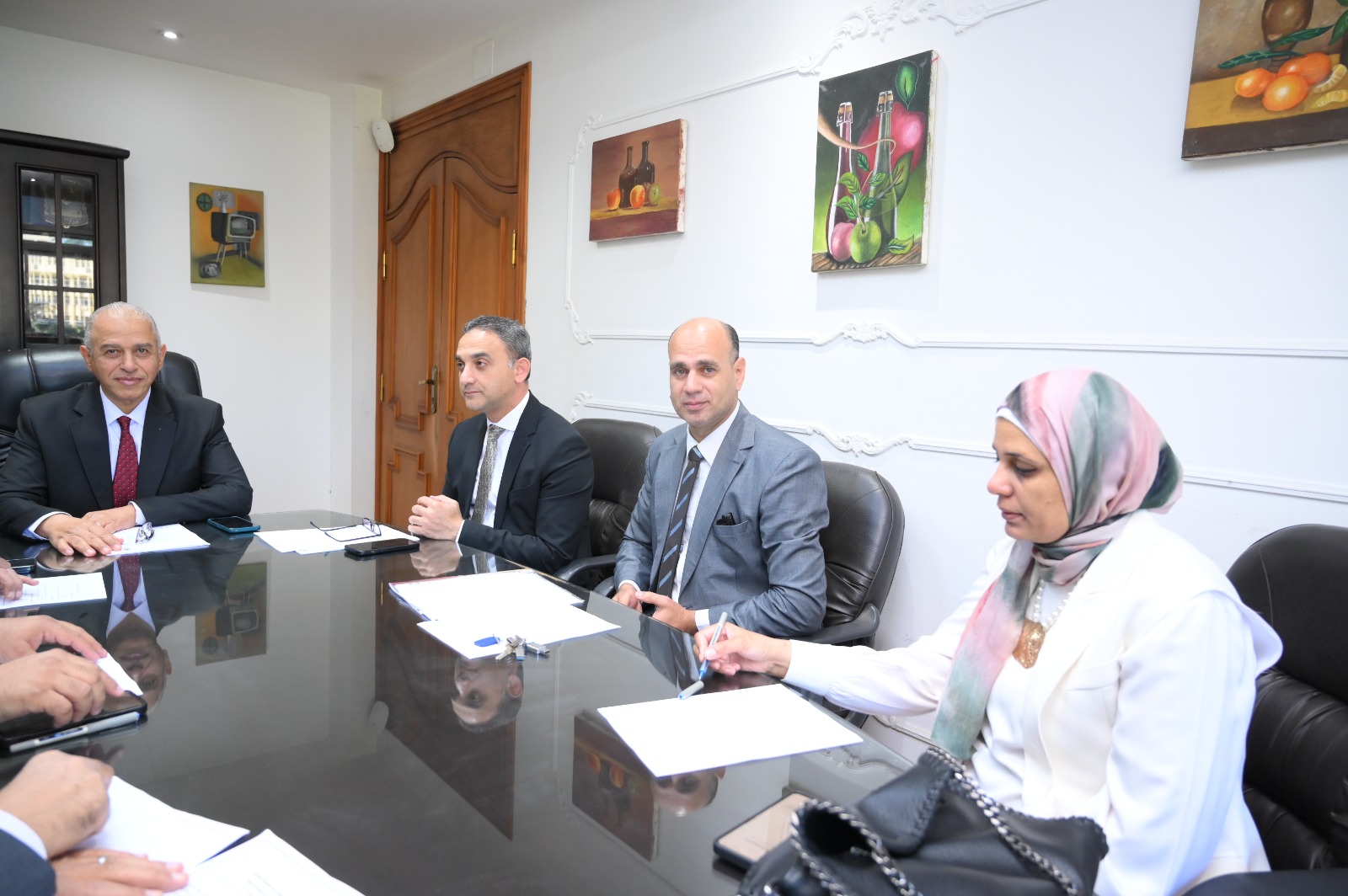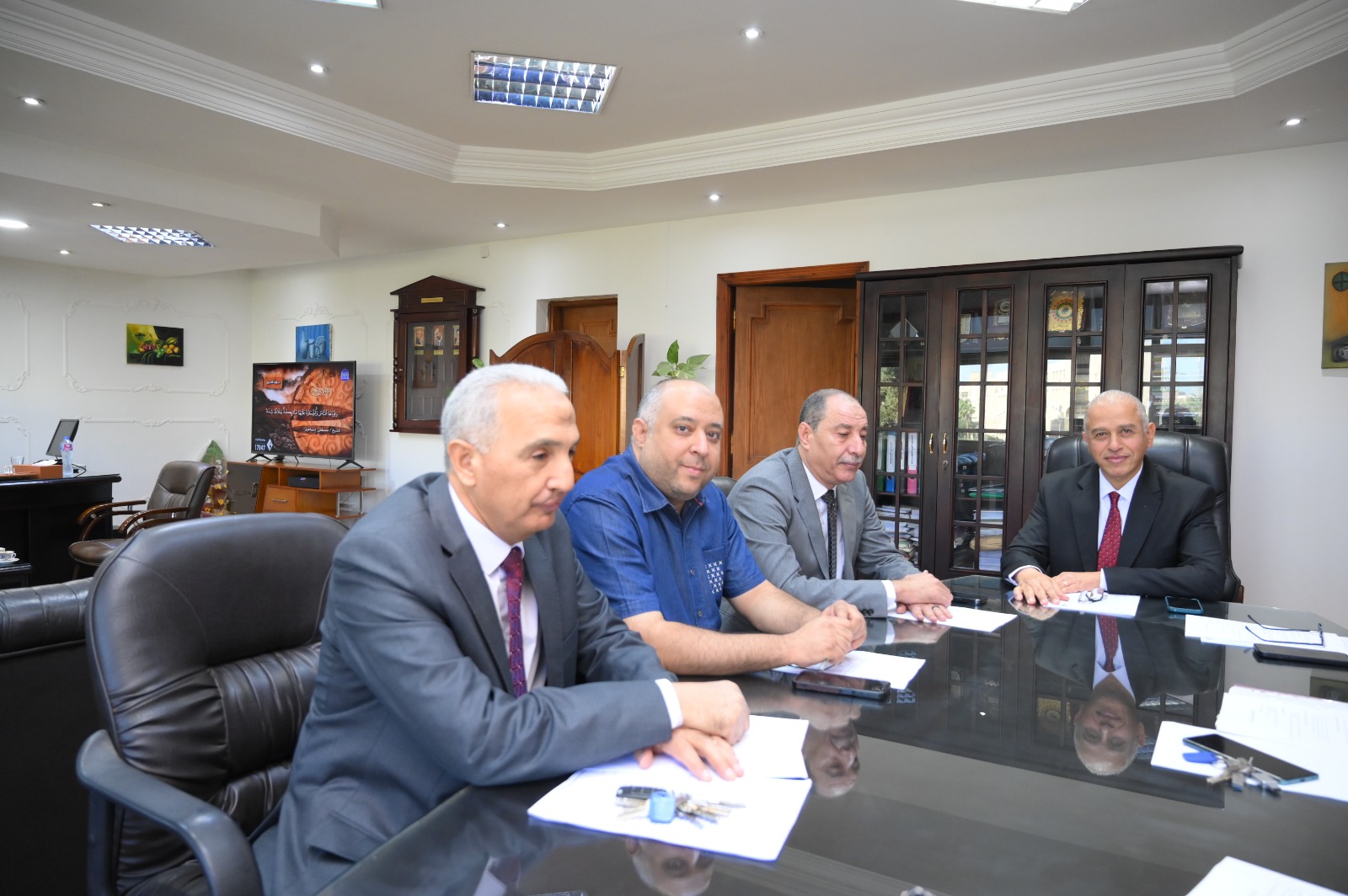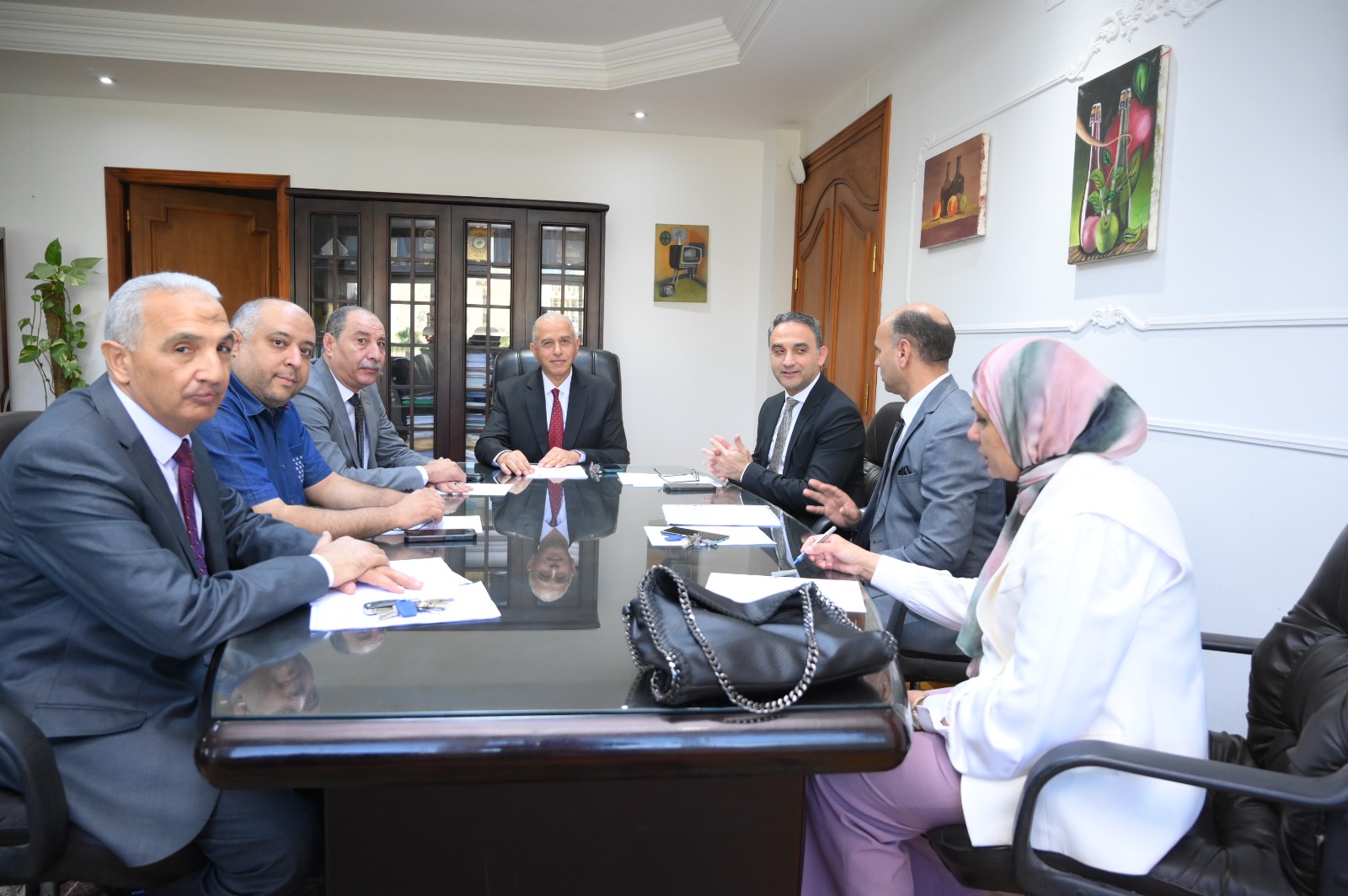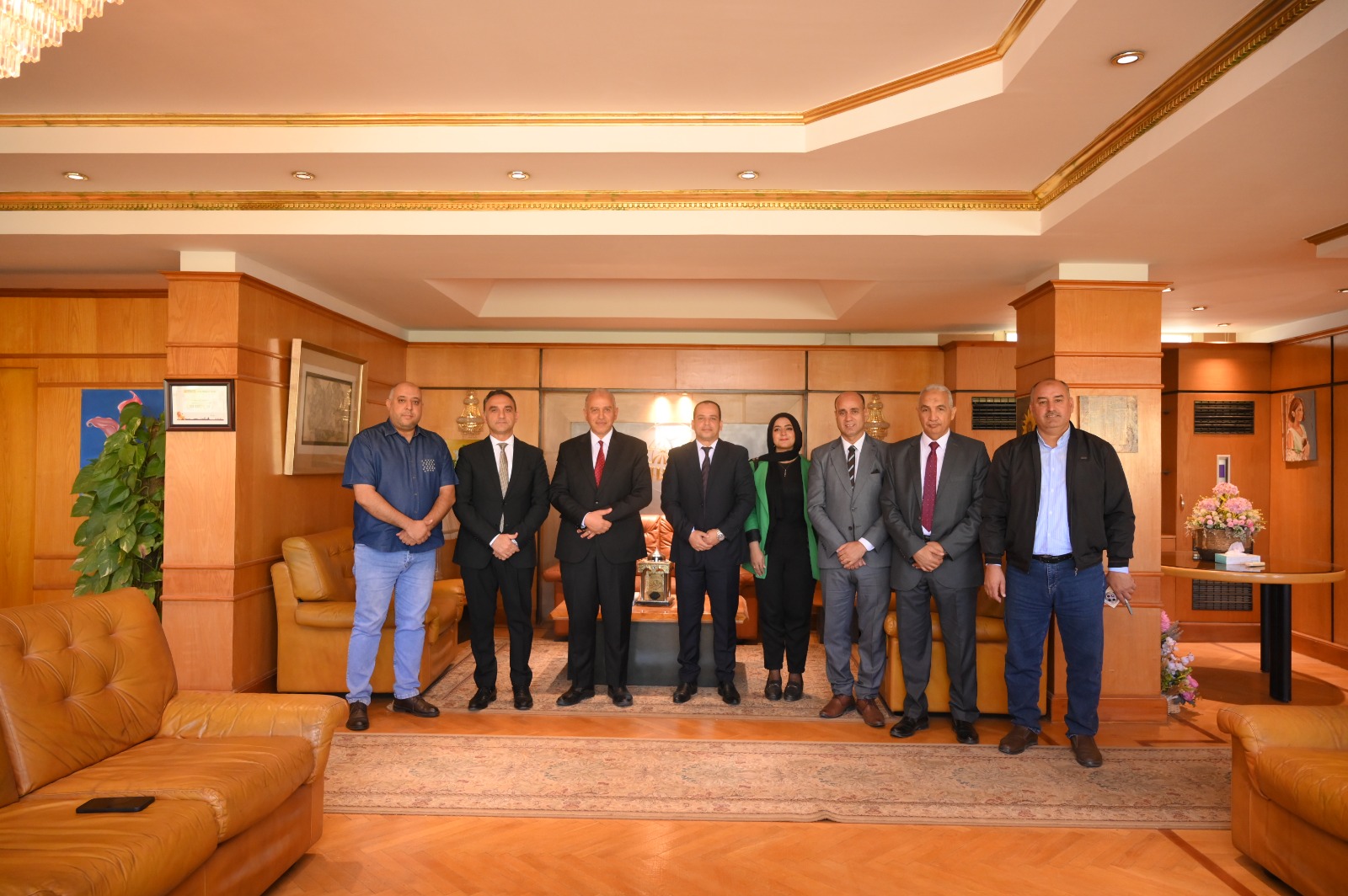



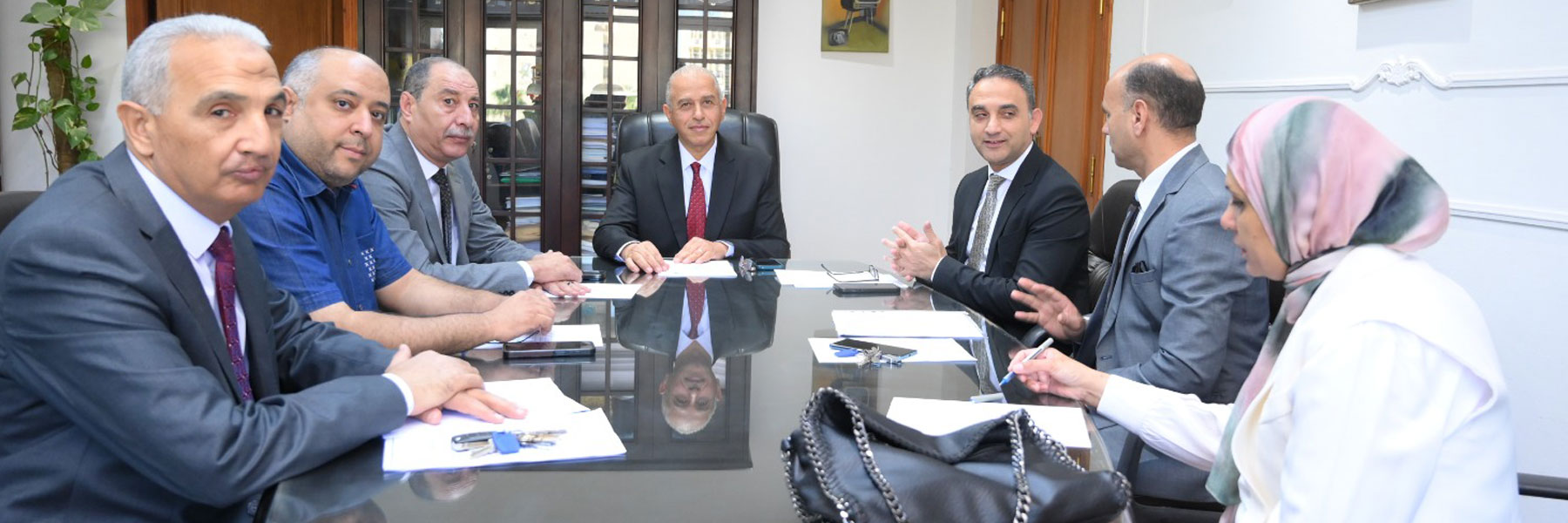
Prof. Sherif Mohamed Sabry
El-Attar, Acting President of Fayoum University and Vice President for
Education and Student Affairs, chaired the Supreme Committee for Combating
Addiction and Substance Abuse meeting. The committee includes the following
members: Prof. Assem Fouad El-Essawy, Supervisor of the Community Service and
Environmental Development Sector; Mr. Ahmed Rashad, Secretary-General of the
University; Prof. Wael Toubar, General Coordinator of Student Activities and
Coordinator of the Combating Addiction and Substance Abuse Committee at
the University; Dr. Mostafa Hussein, General Supervisor of Preventive Programs
in Fayoum Governorate; Mr. Mahmoud Abdel Aziz, Director-General of University
Dormitories; Dr. Abeer El-Saify, Director-General of Medical Affairs; and Mr.
Kamel Mohamed Kamel, Director of the Office of the Vice President for Education
and Student Affairs.
The meeting, held today,
Wednesday, October 28, 2026, was also attended by Mr. Hamdy Ragheb,
Director-General of Student Welfare, and Ms. Aya Ibrahim Abdel Fattah, Public
Relations Officer for the Fayoum branch of the Fund for Drug Control and
Treatment.
During the meeting, the
importance of integrating efforts between Fayoum University and the Fund for
Drug Control and Treatment was emphasized. The objectives of the Supreme
Committee were reviewed, along with its role in supporting drug prevention
initiatives and implementing preventive interventions across the university.
Furthermore, the committee discussed the execution plan for preventive programs
and activities within the various faculties, as well as the organization of
awareness seminars, meetings, and student events, in coordination with experts
from the Fund. The meeting also addressed the organization of sports, artistic,
and media activities under the theme "You Are Stronger Than Drugs,"
and explored leveraging the university’s and its faculties' online platforms
and official social media pages to disseminate awareness-raising messages.
Furthermore, discussions covered
the allocation of a dedicated space for a "Volunteer House,"
including the requirements for its setup and operation. The meeting also
addressed preventive activities—coordinated with relevant university departments
and the Fund—as well as the training and qualification of student and
professional personnel to promote awareness among their peers. Additionally, a
framework was proposed for preparing faculty members, relevant specialists, and
students to participate in these preventive programs.
Other topics included the
formation of a student volunteer team and awareness ambassadors within the
faculties; the establishment of coordination mechanisms between the Fund’s
university coordinator, relevant stakeholders, and the student union; the organization
of work, monitoring, and evaluation processes; the development of a preliminary
implementation timeline; and the definition of procedures for follow-up and
reporting. Finally, the meeting examined the logistical requirements and
resources necessary to execute the action plan.